Glanz und Elend deutscher Zarinnen
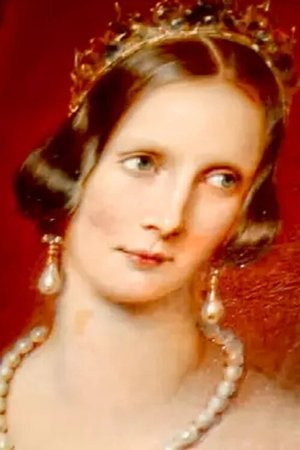
Between love madness, scandals, intrigue and happiness - the stories of German princesses on the Russian tzar's throne were shaped by strokes of fate. Princess Charlotte of Prussia was married on exactly her 19th birthday in 1817 with the future Russian Tsar. She joined a long line of German princesses at the Tsar's court, beginning with Catherine the Great and extending to the last Russian Empress. 200 years later, her descendant Maria in St. Petersburg is searching for the traces of these German women.

- / 5
PopScore
Representation
Pictures and Videos

Movie Information
Between love madness, scandals, intrigue and happiness - the stories of German princesses on the Russian tzar's throne were shaped by strokes of fate. Princess Charlotte of Prussia was married on exactly her 19th birthday in 1817 with the future Russian Tsar. She joined a long line of German princesses at the Tsar's court, beginning with Catherine the Great and extending to the last Russian Empress. 200 years later, her descendant Maria in St. Petersburg is searching for the traces of these German women.
Rating:
Genre:History
Written By:
In Theaters:
Box Office:
Runtime:51 minutes
Studio:MDR
Cast

Articles You May Like
What Netflix's “Shadow and Bone” Gets Right and Wrong with the Books’ Diversity
Netflix’s Shadow and Bone has a complicated relationship with race. It has a diverse cast, but not without its problems. Based on Leigh Bardugo’s two book series, the show features characters from the Shadow and Bone trilogy, which is very straight and white, and the Six of Crows duology, which is much more diverse. When bringing together a cast and writing about these characters, the team behind the show expanded upon some of the representation missing from the first trilogy, then seemed to take away representation from the duology. Shadow and Bone seems to play a bit of a push and pull game when it comes to portraying diversity onscreen.
'Tom & Jerry': A Live-Action Cat-And-Mouse Chase
A cat-and-mouse chase that will make viewers nostalgic for the cartoon series.
San Junipero: Queer Heaven on Earth
Battles will come and go and queer people do die for their identity and fights for rights, but that doesn’t mean the gays don’t deserve their happy endings in stories.
Mitch Downe From "Paranorman" Is Awesome Gay Representation
Gay representation is out there, but to portray a character who's gay as a big, happy brute is a rare treat.
Is “Juno” the Pro-Life Movie of the Century?
Juno is extremely funny, very well-written, and contains great performances. The film is also about a very important topic, one that is extremely relevant now: women’s reproductive rights. Is this Oscar-winning film spreading a pro-life or pro-choice message to its audience?