"The World to Come": A Stunning Period Romance
Mona Fastvold’s nineteenth century lesbian romance is emotionally charged, restrained, and poetic without feeling forced.
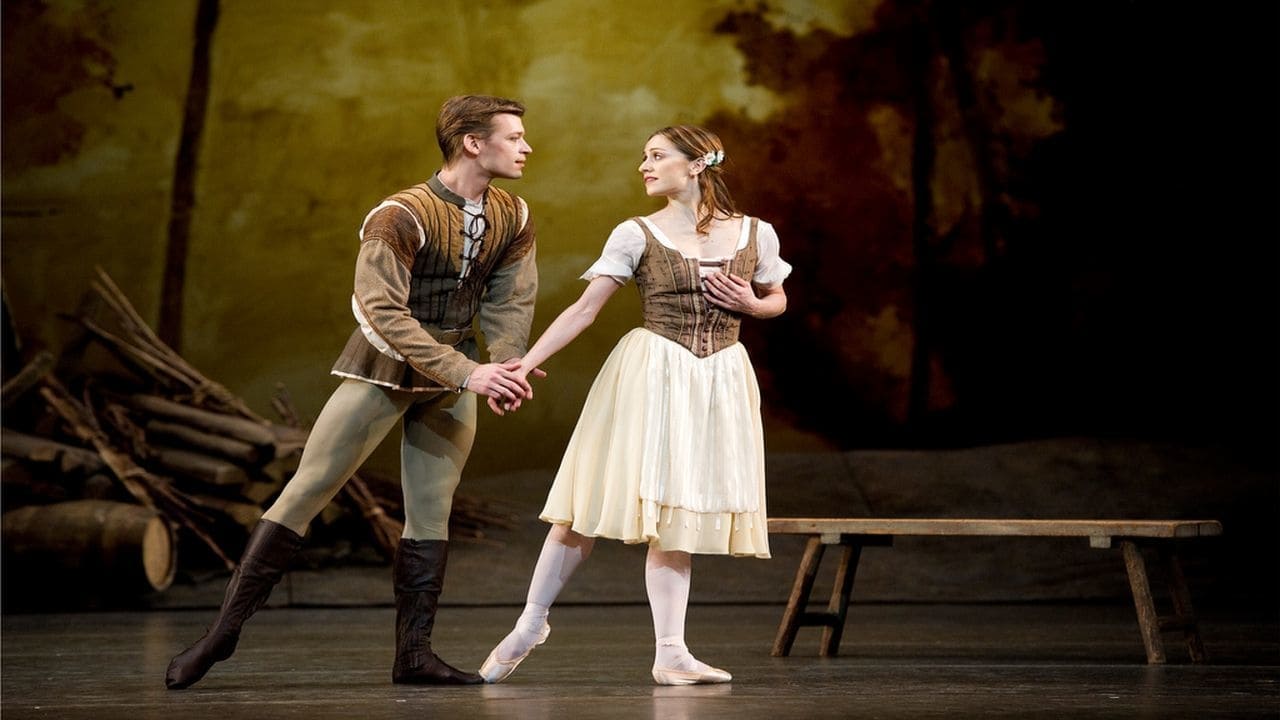



The peasant girl Giselle discovers the true identity of her lover Albrecht – and that he is promised to another. Giselle kills herself. Her soul enters the ranks of the Wilis – shades of young women who died before their wedding day. All men that come across their path are compelled to dance themselves to death, and Albrecht falls into their trap. Giselle’s intercession saves Albrecht and releases her soul from the Wilis’ power.

Ross MacGibbon
Director


Marianela Núñez
Giselle

Vadim Muntagirov
Count Albrecht

Bennet Gartside
Hilarion

Johannes Stepanek
Wilfred

Elizabeth McGorian
Berthe

Gary Avis
Duke of Courland

Christina Arestis
Bathilde
Jonathan Howells
Leader of the Hunt

Itziar Mendizabal
Myrtha, Queen of the Wilis

Olivia Cowley
Moyna

Beatriz Stix-Brunell
Zulme
Mona Fastvold’s nineteenth century lesbian romance is emotionally charged, restrained, and poetic without feeling forced.
At its heart, it’s a fond tribute to an influential artist and thus one that can speak to everyone’s inner artist, even if it lacks the sincere commentary you may wish to see.
A Christmas tale that everyone is wishing for, and that everyone will remember.
Apatow’s latest film, The King of Staten Island, is no different. The movie tells the story of Scott (Pete Davidson), the 24-year-old son of a deceased firefighter who passed away when Scott was 7
Ultimately the problem with The Bubble is that it plays everything for laughs to get around the audience’s defenses. But it comes off like a privileged white male thinking that ridiculing everyone else equally is the road to equality. And it’s not. And it's definitely not funny to pretend that it is.
Battles will come and go and queer people do die for their identity and fights for rights, but that doesn’t mean the gays don’t deserve their happy endings in stories.