








Parasite: A Para-Sight for Sore Eyes.
Is Parasite a Horror Movie? Bong Joon-ho, one of South Korea’s parasite horror movies and most prolific filmmakers, decided to grace the world with one of the bizarre and fascinating movies of 2019.
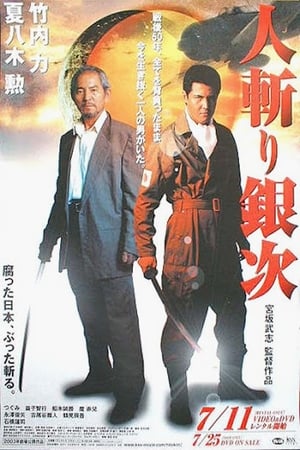


In prison for 50 years after massacring his corrupt workmates with a samurai sword in 1945, Ginji Sonesaki (Riki Takeuchi) is given the nickname of Ginji the Slasher. On his release he finds himself on the streets living with the homeless hiding from a man whose life he tried to end. His former boss and the object of Ginji's hatred is now a highly-regarded figure in politics but Ginji plans to remind him of his past transgressions and make him pay for ruining his life.
Is Parasite a Horror Movie? Bong Joon-ho, one of South Korea’s parasite horror movies and most prolific filmmakers, decided to grace the world with one of the bizarre and fascinating movies of 2019.
Joann Kohng’s Subject to IX tells the heartbreaking truth of the Title IX rules that colleges abide by.
Swapped combines comedy, adventure and emotional growth while delivering one of the biggest plot twists in animation history.
This is not McDonald’s. This is something different.
Sorry to Bother You ultimately speaks to the unfair advantages that the country’s power structures award to those with the resources to control others, as Lift’s easy access to the media allows his opinion to be the only one that matters in the eyes of the unsuspecting and easily impressed public. Moreover, it reveals the extent to which the American Dream has any true validity. It postulates how the promise of success and fulfillment as promoted by the American Dream more often than not leads to the undoing of the individual. Interestingly, in its revealing of the American Dream as merely a facade, Sorry to Bother You wisely questions whether or not anything can really be done to undo a system that has been accepted and in action for centuries.