





‘Black Widow’ Is About Yelena, Not Natasha
"Black Widow" has strong female characters but sidelines its title character and serves as a launchpad for her successor, Florence Pugh's Yelena.
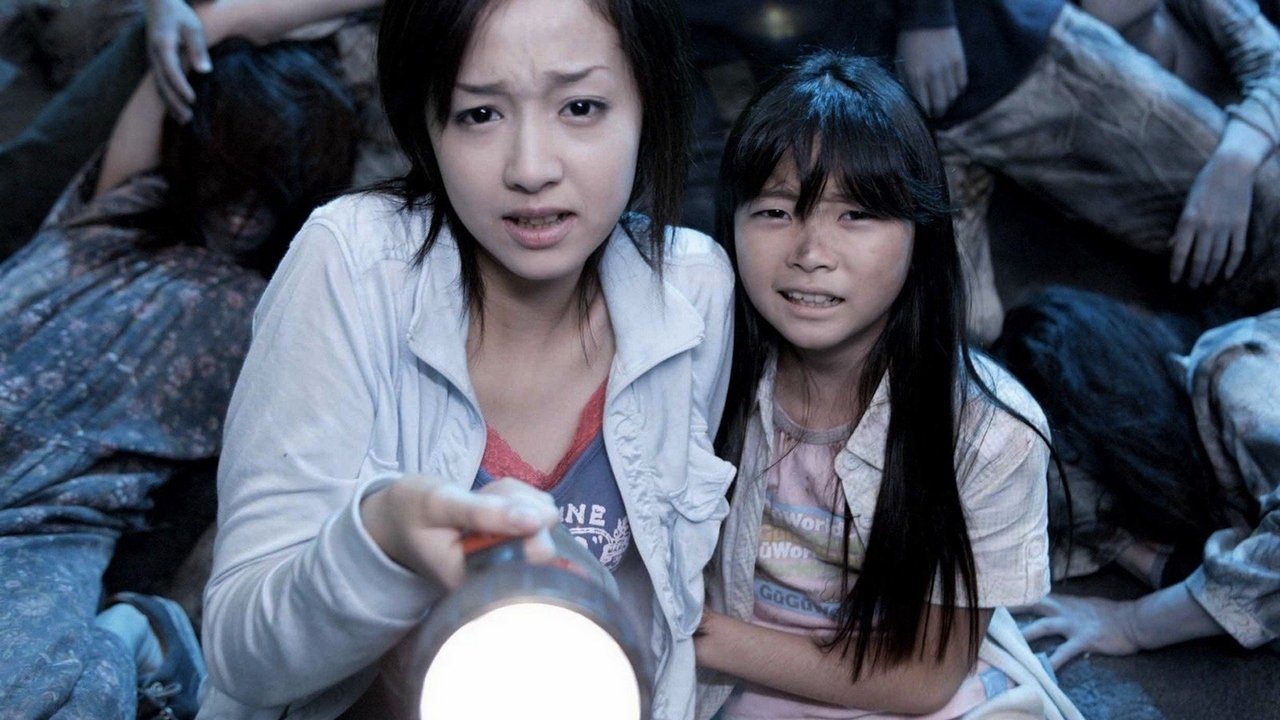
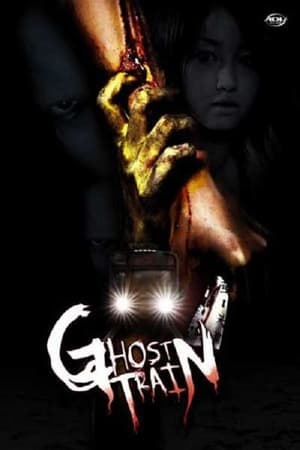


On her way to school, high school girl Nana sees a train accident. Then Nana and her friend Kanae start to come across various bizarre phenomena, including red fingerprints and a female spirit who 'lives' on the station platform. One day, Nana's younger sister is lost, and the only possibility seems to be that she had been taken by these spirits. The missing tracks. The predictions that a mysterious woman makes.
"Black Widow" has strong female characters but sidelines its title character and serves as a launchpad for her successor, Florence Pugh's Yelena.
Life may find a way, but is it worth testing its fierceness and how far it will go?
This delightfully odd horror movie presents a whimsically strange alternate reality to younger audiences.
Ripley is a great character because she serves two distinct, but rewarding, purposes in the original film and the sequel.
In season 2 of “Never Have I Ever," Devi make many mistakes in a messier season that explores the complex lives of its diverse cast more in-depth than before.