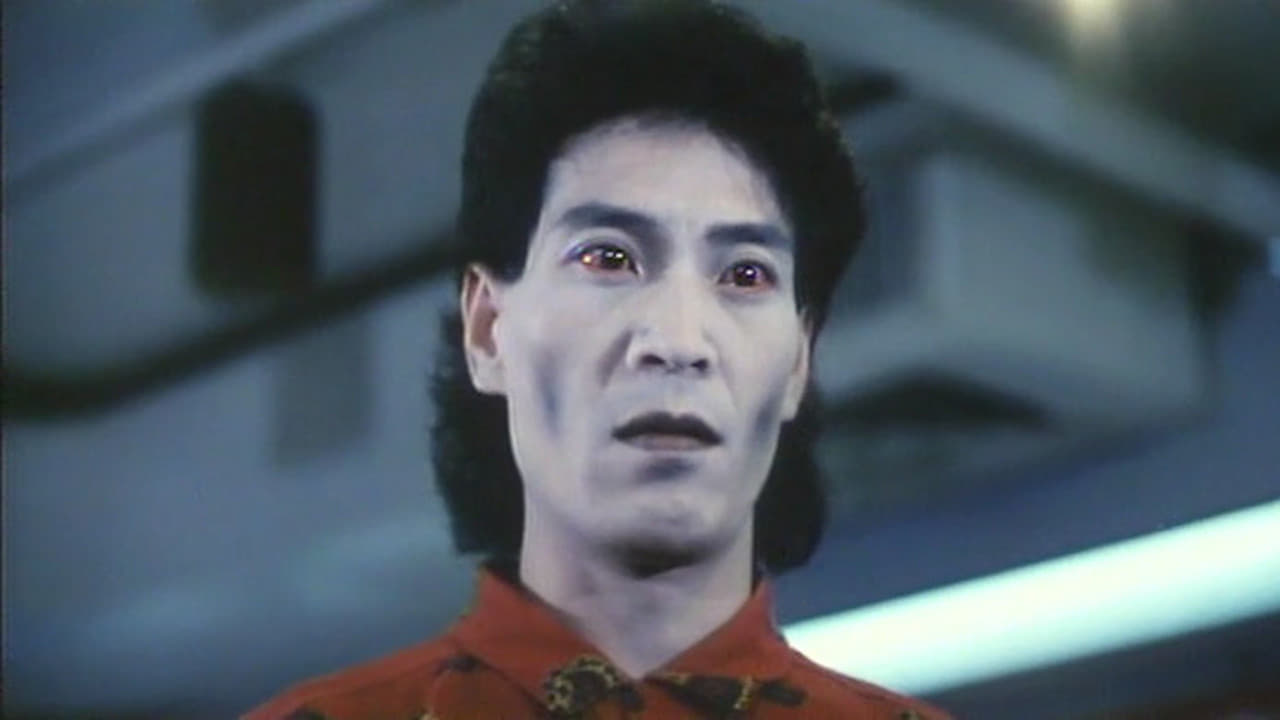
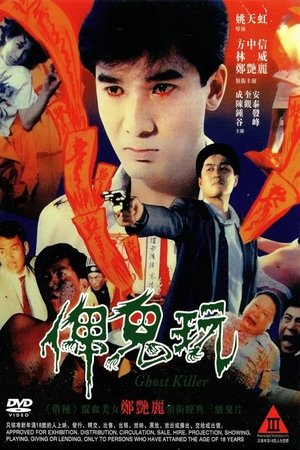



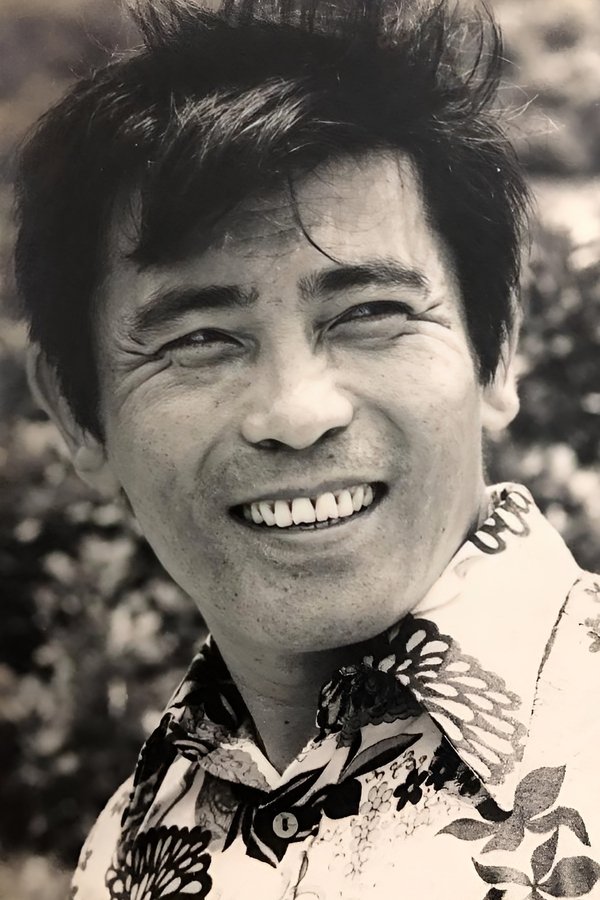
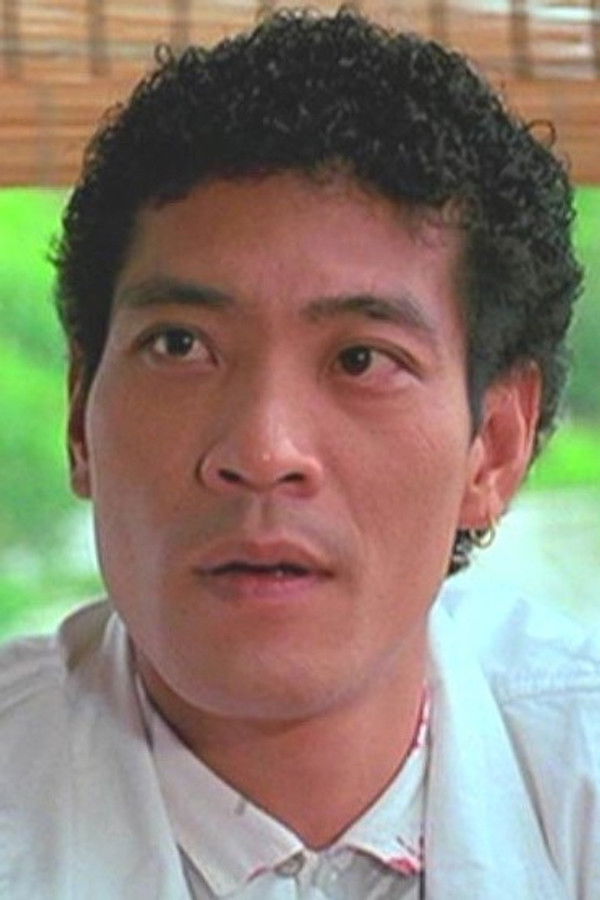
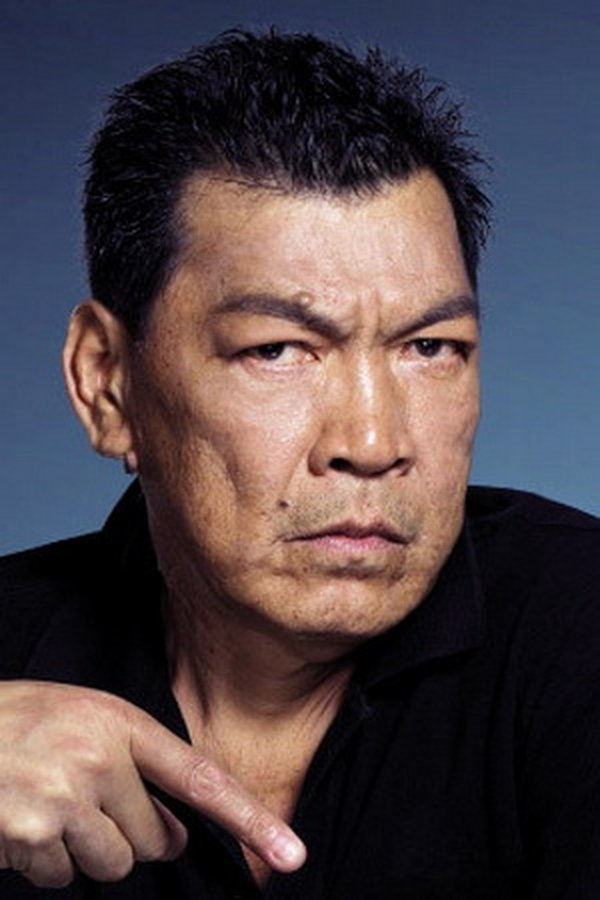
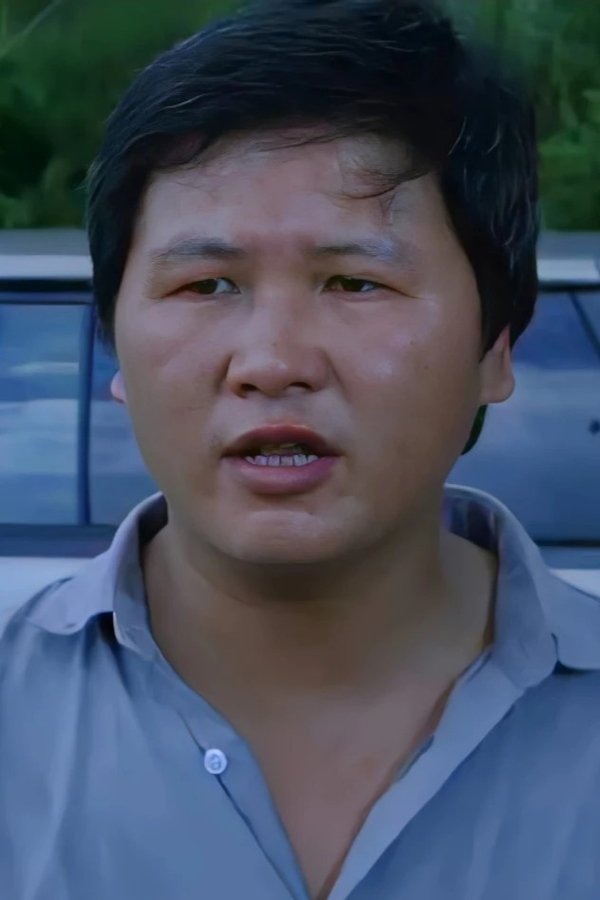
Drug courier Lousy Chao and his wife Ngor are killed by his boss, after being framed for drug substitution. His ghost finds a man with the same birthday, Ming, to help take revenge. The unfortunate Ming has just proposed to Hung, but Lousy hijacks his body, and starts by killing his immediate boss Shing Yiang To in a sauna. This alarms Shing's boss Nan. Meanwhile, the possessed Ming take nightclub host Jenny home for "late supper". Hung is sure something is amiss, and consults her taoist uncle Shun. Nan is further shaken when his partner Chuen is killed, but still keeps an appointment with Thai drug dealer Buddha. Up until this point, both Ming and Nan consider ghosts to be "bullshit", but they are soon convinced otherwise...
Gretel & Hansel falters due to its razor thin story and lack of characterization. It loses sight of horror’s key rule: In order to create an effective tale, characters and emotions must be emphasized.
All in all, “Event Horizon” is a cinematic misfire, begging to be perfected in the future. While it possesses an array of admirable visuals, the film leaves much to be desired. If only we could see Anderson’s preferred cut, which featured more character development and tortuous imagery. In the meantime, I have a catchphrase for this film: In space no one can hear you snore.
Taika Waititi writes, directs and co-stars in 'Boy', set in 1984 New Zealand. The film does just what Waititi dreamed of — it gave a great coming-of-age story to Māori people without making a story of the Māori people as an exotic other.
Director Martin Scorsese broadens his boundaries from mafia-driven movies, to a Buddhist biopic of the 14th Dalai Lama. While Buddhism strives for peace, ‘Kundun’ reveals the violence inflicted on Tibetan Buddhists and Scorsese’s depiction of violence does not stray away.
Ricky Staub’s Concrete Cowboy, based on Greg Neri’s novel "Ghetto Cowboy", tells the story of a young teenager forced to adapt to a new lifestyle.