

Fantasy Elements in 'The School for Good And Evil'
An enchanted school for young heroes and villains brings the battle between good and evil in this fantasy movie.
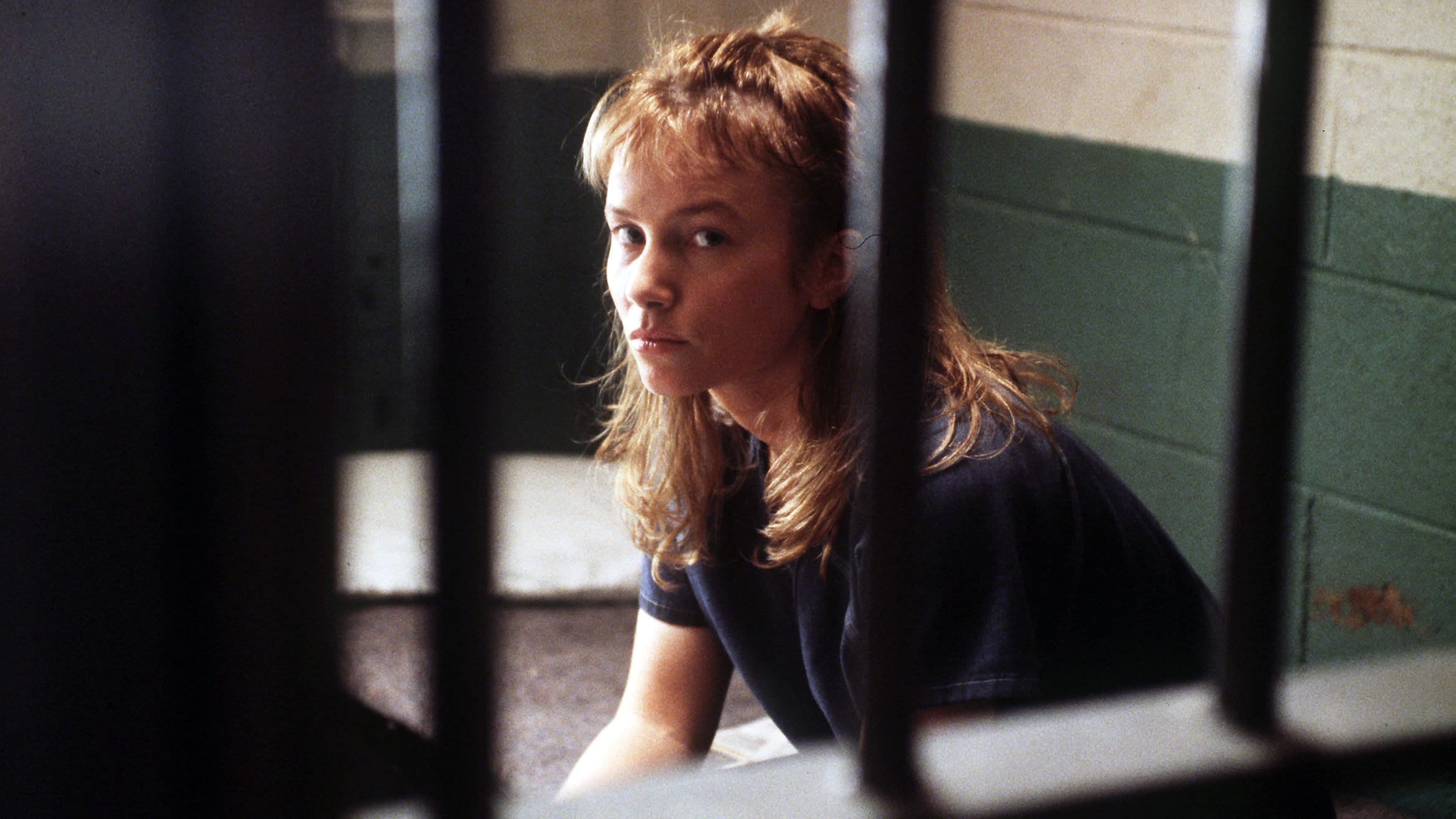
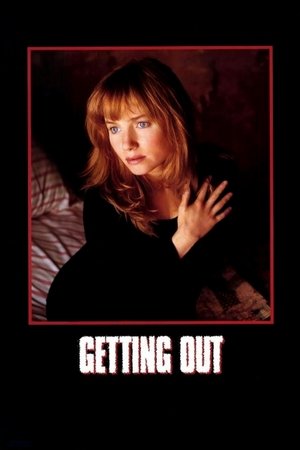


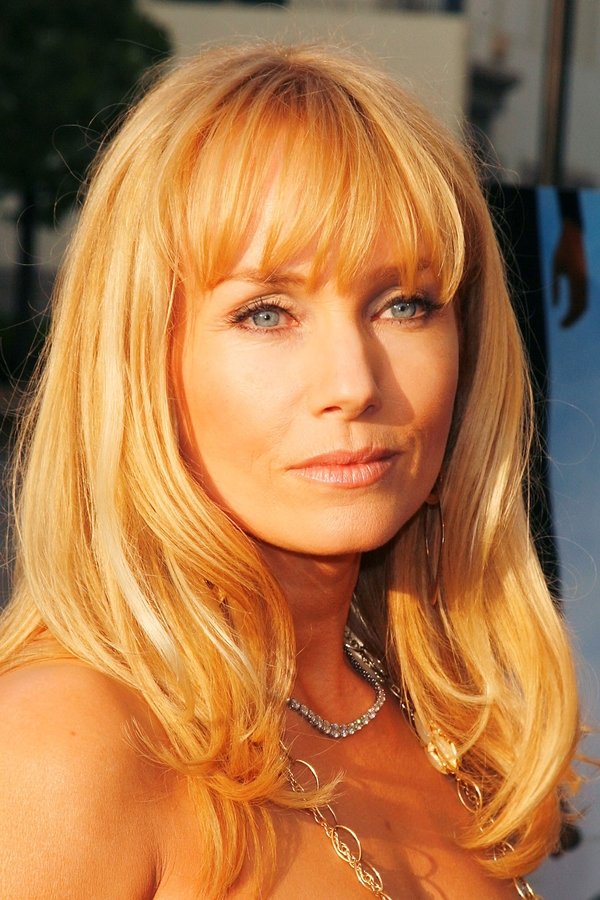
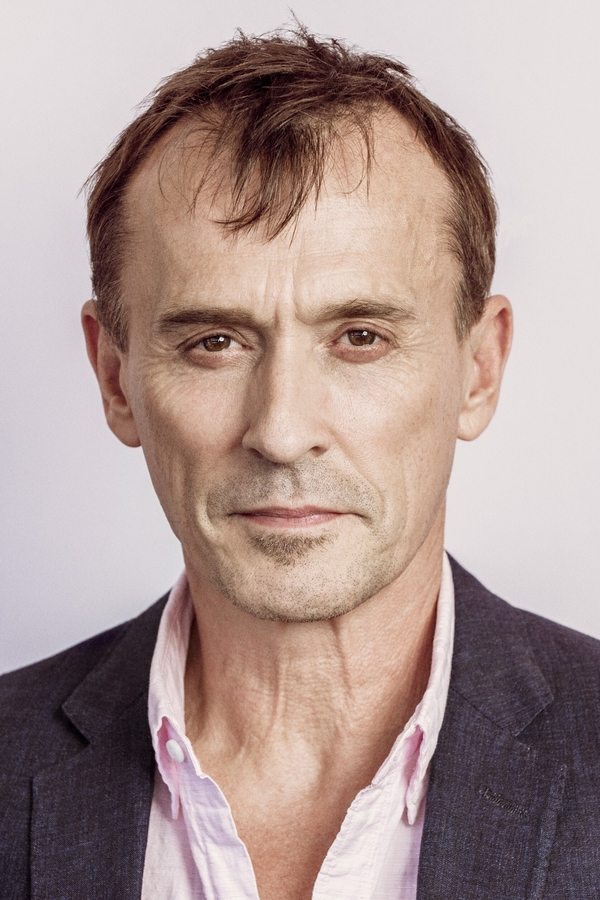
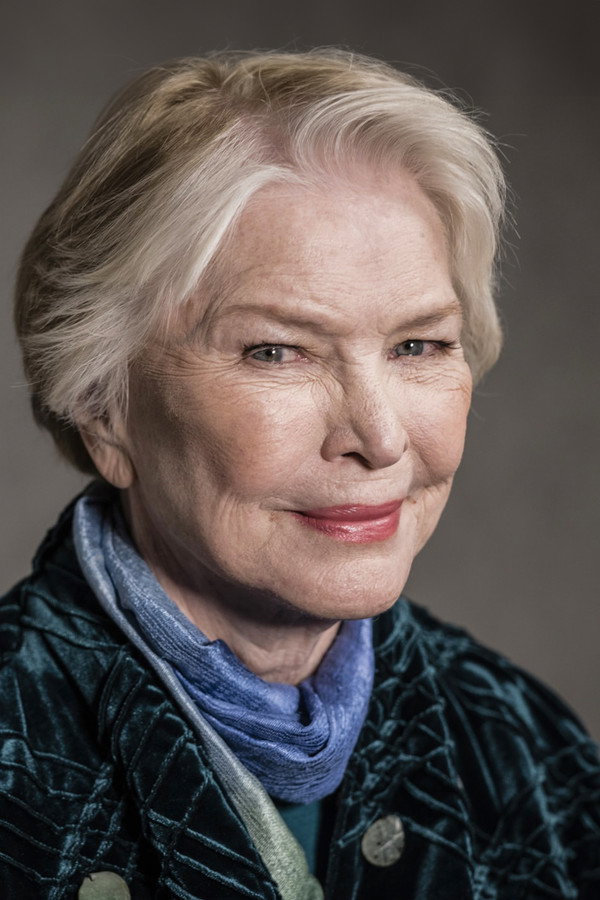
Breaking out of prison with a child in her womb and a dream of a normal existence, Arlene Holsclaw (Rebecca De Mornay) resolves to get a job and lead a good, Christian life. But the ghosts from her past -- including an ex-boyfriend (Rob Knepper) who wants to pimp her out and a sadistic mother (Ellen Burstyn) who plots to take away Arlene's baby -- have other plans. This made-for-TV drama is based on Marsha Norman's off-Broadway play.
An enchanted school for young heroes and villains brings the battle between good and evil in this fantasy movie.
In the shadow of towering film production companies lived dozens of grindhouses, genres, and low-budget films deemed too “unclean” for the modern film audience.
'Don't Make Me Go' is what you would expect, Wally and her father, Max, clash tremendously and don't understand each other. Although, it's very heartwarming.
"Up" features one of Pixar's few Asian-American heroes and explores the institutionalized hardships elderly people face. Also, Dug is a good boy.
Welcome to Ryan Reynold's world. Dwyane Johnson, Gal Gadot and us are just living in it. Is he acting? I think he is, it's just the question of it's believable anymore.
From being unfairly outed, to going after the life you want for yourself, these songs from 'Frozen' perfectly capture the journey out of the closet.