
Halt and Catch Fire's Trailblazing Queer Representation
It was always people for Joe, and he ultimately found them at the end of a long, painful, yet illuminating quest for self-discovery outside of one, confident constant - his bisexuality.

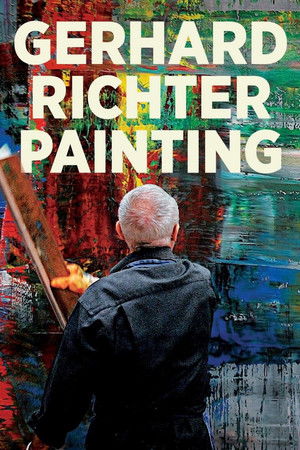


Gerhard Richter has spent over half a century experimenting with a tremendous range of techniques and ideas, addressing historical crises and mass media representation alongside explorations of chance procedures. This first glimpse inside his studio in decades is exactly that: a thrilling document of the 79-year-old's creative process, juxtaposed with rare archival footage and intimate conversations with his critics and collaborators.
It was always people for Joe, and he ultimately found them at the end of a long, painful, yet illuminating quest for self-discovery outside of one, confident constant - his bisexuality.
Ruben Östlund muses about his characters, “As soon as you get close to a person, you see them as just another human being”. It is widely recognized that aboard the luxury yacht in ‘Triangle of Sadness’, the different groups of people represent a small society as a commentary on classism and gender binaries.
The gentle, emotional nuances of Evan’s coming-of-age story would have been so beneficial to have incorporated into the life of a POC character. Showing a Black, Asian or Latino young man that is afforded the space to be vulnerable, flawed and sensitive while driving a compelling and widely-loved narrative would have been a game changer.
"WHAT ARE YOU WILLING TO SACRIFICE?!!!!" "EVERYTHING!!!!!" This is but one of a multitude of highly emphatic questions, and subsequent answers, being asked in the newest feature film from one of the current masters of horror, Jordan Peele ("Get Out", "Us" and "Nope"). I must give Peele credit in that he continues to push the boundaries of specific genres and their associated tropes in order to provide what ends up amounting to subtly then jarringly intense, yet still character and story-driven, cinema that speaks more to indie stylings than mainstream.
Despite its glaring flaws, First Girl I Loved is not entirely undeserving of a watch. For people who can handle the more difficult aspects of the story and graphic scenes, it is worth looking into. It’s not a film worthy of rewatch, but it may still resonate somewhat with those who need a story like this. It is a genuine, if flimsy attempt at a coming-of-age tale. Were the film to be directed by someone with experiences more similar to Anne, it would likely be more powerful--as it is, it feels like a man’s perspective of what it means to come to terms with your identity as a lesbian.