
Ryan Coogler's Sinners Turns Horror into History
Set against the backdrop of the Jim Crow era, the film offers layered representation.
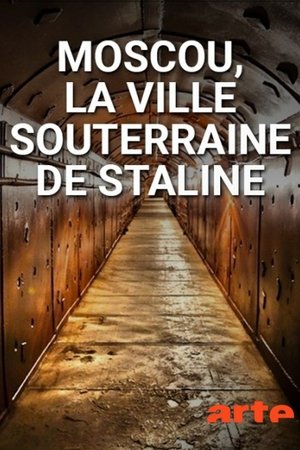


What lies hidden beneath Moscow? Subway palaces full of Soviet propaganda, Stalin's magnificent bunkers, centuries-old river systems. For decades, there have been repeated clues, cryptic statements and hints about Moscow's underground. The cinematic search for clues shows Stalin's command bunker and the government object GO-42, a headquarters of the Soviet military during the Cuban Missile Crisis in 1962. A residential house with potted plants and curtains was built over GO-42 as camouflage. Until the end of the Cold War, specially trained soldiers took care of the bourgeois residential charm and turned on the lights in the evening while 2,000 people threatened the world around the clock with intercontinental missiles. The documentary also shows encounters with the illegal explorers of these complex transportation and housing systems, the Diggers.
Set against the backdrop of the Jim Crow era, the film offers layered representation.
To say Hollywood has had a troubled past is the understatement of the century. In Ryan Murphy’s (American Horror Story) new Netflix series, Hollywood, that past is confronted and even rewritten.
It was always people for Joe, and he ultimately found them at the end of a long, painful, yet illuminating quest for self-discovery outside of one, confident constant - his bisexuality.
Mala tripped over in a company Diwali party, which led to unexpected visits and realizations.
The trouble with Yara (2021) is that in its attempt to tell the whole story, it struggles to tell a consistently engaging story.