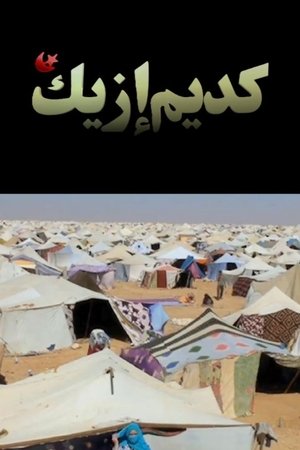
Gdeim Izik, the Sahrawi's resistance camp
abel and Antonio are human rights activists. They were awoke by the loud noise of sirens and the roar of thousands of screamings. They picked what they could, between what was the camcorder. They switched it on and started recording what their eyes could not believe: the savage assault and destruction of the largest protest camp ever raised in the Sahara: Gdeim Izik. Tried to contact international press but their satellite phone had been disabled. Antonio and Isabel had to find a way to show these images to the world. It wouldn't be easy. They would have to spend nine days hidden in a safe house during one of the most obscure incidents in the Moroccan history.

- / 5
PopScore
Representation
Pictures and Videos

Movie Information
abel and Antonio are human rights activists. They were awoke by the loud noise of sirens and the roar of thousands of screamings. They picked what they could, between what was the camcorder. They switched it on and started recording what their eyes could not believe: the savage assault and destruction of the largest protest camp ever raised in the Sahara: Gdeim Izik. Tried to contact international press but their satellite phone had been disabled. Antonio and Isabel had to find a way to show these images to the world. It wouldn't be easy. They would have to spend nine days hidden in a safe house during one of the most obscure incidents in the Moroccan history.
Rating:
Genre:Documentary
Written By:
In Theaters:
Box Office:
Runtime:28 minutes
Studio:Quepo Cooperativa
Cast

Articles You May Like
For Rowena, Today Is 'Christmas Again?!'
For a young girl who wishes to keep her current traditions, this holiday will end up with a surprise twist.
Blowing Up—A Perspective on Grief and a Lesson in Compassion
We are constantly being pushed to move on from mishaps and negative feelings. What happens if we're not ready to do so?
Why You Should Know About 'Welcome to Chechnya', One of 2020's Most Thrilling Films
Documented human suffering is never easy to view or read about and is understandably triggering for many people, but it can be educational, and education is a key to change. An overwhelming amount queer people worldwide (and in my own country) have it far worse than I could imagine, and documentaries such as Welcome to Chechnya bring issues to light that certain groups of people would never see.
'The Djinn' Movie Review
The Djinn is about childhood traumas and lifestyle changes. It tells the story of Dylan (Ezra Dewey), a mute boy who blames himself for his mom’s death. He also condemns himself for being speech-impaired, and he thinks that if he did not have that condition, everything could had been different.
The Final Season of ‘Superstore’ Sends off an Inclusive Gem
Where we leave the characters is in such a peaceful and optimistic place. It feels well-earned to ensure everyone gets their own specially-crafted happy ending.