
'Shang-Chi' Delivers Epic Superhero Action and Positive Asian Representation
Marvel’s first Asian superhero film, 'Shang-Chi', deserves praise for balancing epic superhero action, a heartfelt family plot, and positive Asian representation.
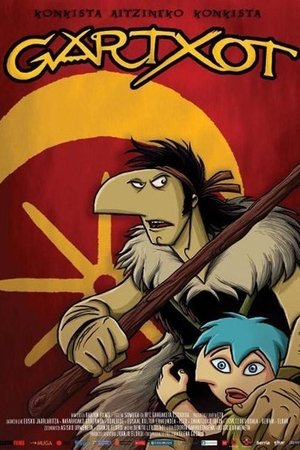


Gartxot is a Twelfth Century minstrel from the Pyrenees who is sent into exile by the new Abbot of Roncevallis. This Abbot's goals are to capture Gartxot's only son, Mikelot, and forcefully convert him into a singing monk. After being captured and tortured, the child manages to escape and sings once again beside his father having him promise to never allow them to lock him up in the monastery again. Their songs become a symbol of the struggle against oppression. Time and time again with the help of folk, they manage to shake the authorities off. In the end, as authorities manage to surround them, Gartxot remembers his promise to his only son leading to a tragedy that to this day is remembered
Marvel’s first Asian superhero film, 'Shang-Chi', deserves praise for balancing epic superhero action, a heartfelt family plot, and positive Asian representation.
Friendships are tested when two girls have a crush on the popular boy at school.
Hokum is an enjoyable horror film that will probably get a little under your skin, but it isn’t the tour de force that you might be expecting.
Taika Waititi and the cast of Thor: Love and Thunder have been hyping up the gayness of this movie, and while there are queer characters, it's not quite the representation we were hoping for.
In less than 30 minutes, Proudfoot guides the viewer through a narrative that touches on American history, mind-health issues, race, and gender politics
Him is visually stunning—all concrete cathedrals and bone-rattling impact shots that look like a nightmare highlight reel. Marlon Wayans is magnetic as this legendary quarterback who's basically selling salvation with a smile that never quite reaches his eyes. But the story keeps running in circles: more tests, more cryptic pep talks, more ritualistic drills. The sports-as-religion metaphor beats you over the head when subtlety would've been more effective. The middle drags, and that finale chooses spectacle over substance. It's undeniably stylish, but left me cold. Also worth noting: despite the Monkeypaw connection, this isn't actually a Jordan Peele film—he didn't write or direct.