



Dead Poets Society Steals a Queer Story
Dead Poets Society relies on patriarchal tropes such as overbearing fathers, contrived brotherhood, and faux-individuality in order to portray its straight white male characters as oppressed.

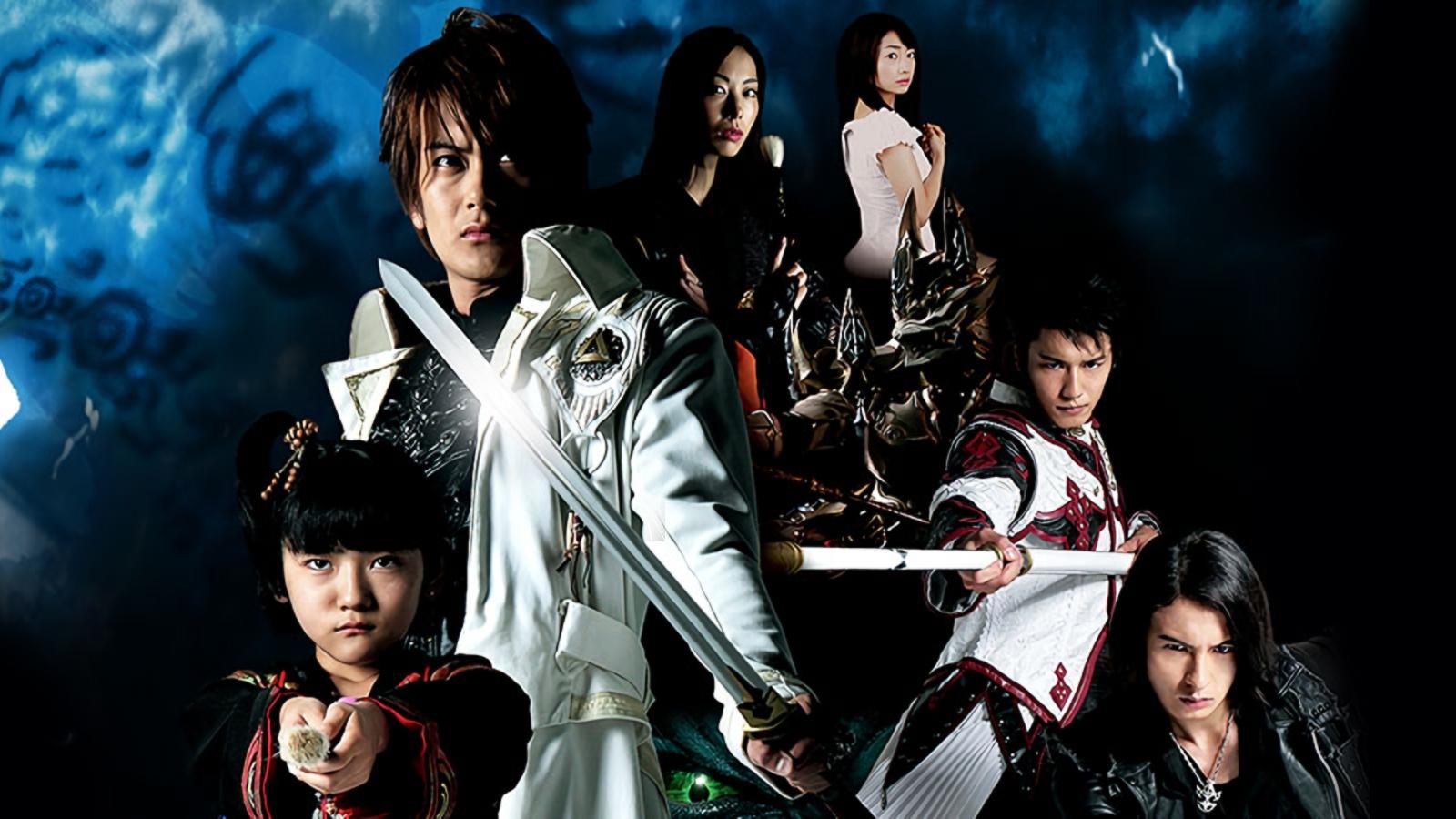
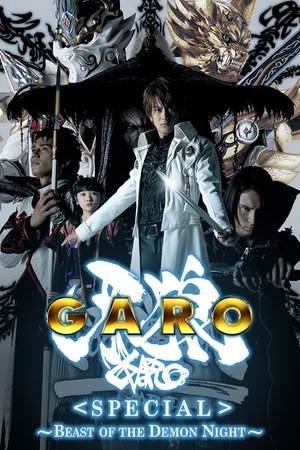
In the aftermath events of GARO: Chapter of the Black Wolf, Saejima Kouga sets out to the northern district upon reassignment. While hunting down Horrors, a young priestess named Rin informs Kouga that she's been sent by Priest Amon to save a presumed dead friend in the Makai realm within Kantai, Jabi. Kouga teams up with Rin in a quest to save Jabi as they are hindered by supernatural and Makai forces alike. Meanwhile somewhere in Japan the dark Horror lord Legules was resurrected and plots a means to alter a supernatural event called White Night within Kantai to plunge the world into darkness with his "family." It's the final chapter of GARO as Kouga puts his life on the line to save Jabi and defeat Legules before the world is ruined.
Dead Poets Society relies on patriarchal tropes such as overbearing fathers, contrived brotherhood, and faux-individuality in order to portray its straight white male characters as oppressed.
The coming-of-age story that brings viewers into the world of Broadway, New York City, with musical talent and LGBTQ leads.
I was able to sit down and talk with the director of the short film Dog Lover Anne-Sophie Bine as she discussed and how she came to be in film.
Ultimately the problem with The Bubble is that it plays everything for laughs to get around the audience’s defenses. But it comes off like a privileged white male thinking that ridiculing everyone else equally is the road to equality. And it’s not. And it's definitely not funny to pretend that it is.
Keep scrolling to find names that should become part of your watchlist!
A brave Indian woman rises from an oppressive background to become an inspired leader for women and men alike around the globe.