





“Street Fighter” is Diverse, But That’s It
Street Fighter cannot be genuinely recommended, even if it is abundantly clear that much effort was expended.
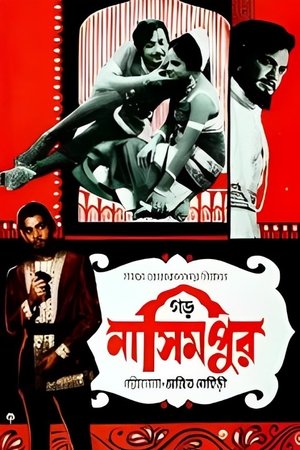


Depicted on the backdrop of 1651 when the emperor was Shahjahan and the subadar of Bengal was Shajada Suja. Amidst the conspiracies of the royalty, a young man decides to expose the schemes and reunite with his lover after the Nasimpur territory of Bengal gets occupied by a Mughal prince.
Street Fighter cannot be genuinely recommended, even if it is abundantly clear that much effort was expended.
After two months of refusing to see this movie, I have decided that it’s finally Morbin’ time. After its re-release as a box office bomb; I watched it just to laugh at it. But, I was also surprised, because 'Morbius' is a queer allegory.
A refreshing twist is that all the kids’ powers are…kind of useless. There’s a kid who can only move in slow motion, a kid who has every power in the world but can only use them randomly, and our main character Missy who has no powers at all. The thesis of the film seems to be that it doesn’t matter what kind of powers you have, its the way you use them, which is good for the warm and fuzzies.
In all actuality, “Just Mercy” should be labeled a “wall punching narrative.” Constantly, the flick throws high forms of adversity our way, amping up our most inner levels of discomfort. Filmmaker Destin Daniel Cretton wonderfully paces the film in such a way that replicates the slow-burn nature of justice.
Tarantino's alternative history of the 1960's uncritically repeats the era's sexist and racist stereotypes.
It is up to the community to decide if this film is a force for enlightenment or not.