


“Bury Your Gays” Trope in TV and How “Wynonna Earp” Defies it
I think that the happiness and survival of "Wynonna Earp"’s LGBTQ+ characters is incredibly refreshing in contrast to the prevalence of queer suffering and death in other television.

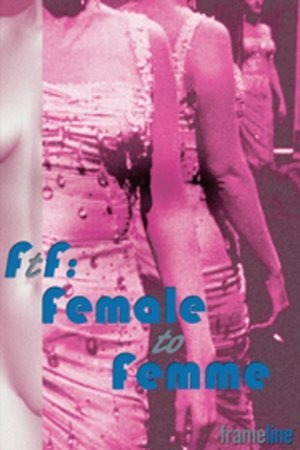
A wildly original extravaganza, FtF: Female to Femme presents a saucy, indelible portrait of a people central to the gender revolution. Part doc-, part mock-umentary (see if you can tell which is which!), FtF explores the variations of femme identity. Interviews with famous femmes, including Guinivere Turner, Bitch and Leslie Mah (from Tribe 8) are interspersed with scenes from a parodic consciousness-raising group. FtF asks a lot of hard questions like “Does wearing a push-up bra make one a bad feminist?” Sub-genres such as the retro femme, fat femme, tomboy femme, punk femme, and high femme are all given their due. FtF is a savvy, defiant documentary that’ll make you laugh, make you think and make you want to dismantle the patriarchy, while in stilettos.
I think that the happiness and survival of "Wynonna Earp"’s LGBTQ+ characters is incredibly refreshing in contrast to the prevalence of queer suffering and death in other television.
Typically in film, characters suffering from mental illness are used as plot devices or exaggerated for comedy. 'The House that Jack Built's representation exceeds in accuracy and realism of OCD.
Barry Jenkins' masterpiece holds up as the story of a lifetime centered on the intersection of Blackness and gay identity.
Wuthering Heights— What is the cost of love?
Based on a true story, when his beloved dog goes missing, the owner embarks on an incredible search with his parents to find him.
Apatow’s latest film, The King of Staten Island, is no different. The movie tells the story of Scott (Pete Davidson), the 24-year-old son of a deceased firefighter who passed away when Scott was 7