

'The Reason I Jump': Looking At The Lives Of Autistic People
Based on the bestselling memoir, viewers get a glimpse of the challenges of autistic people.
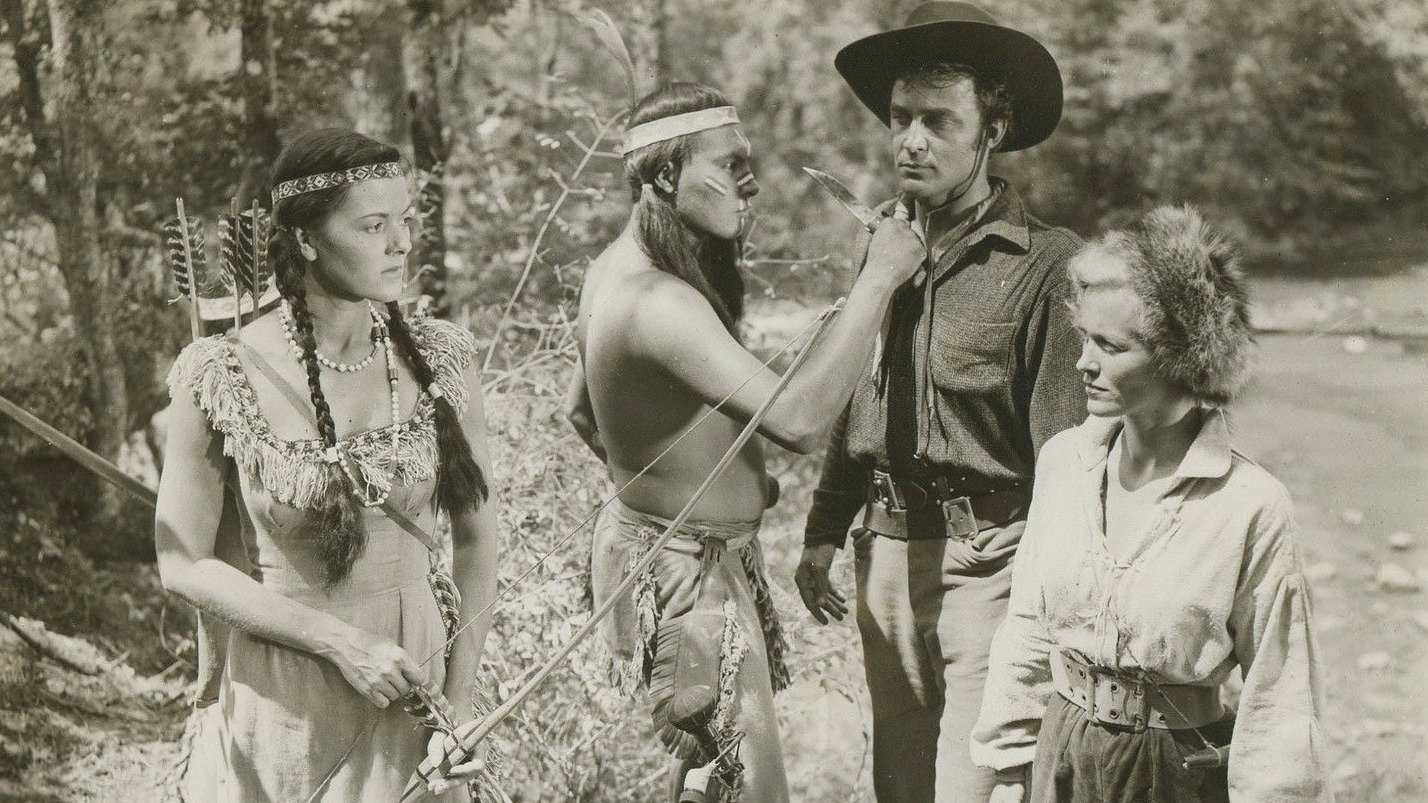
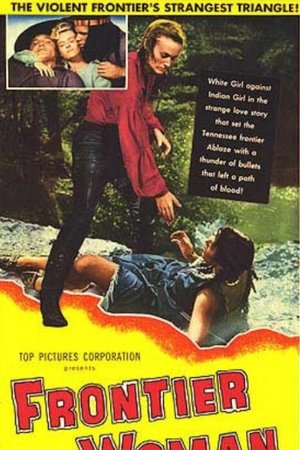


Tennessee, 1838. Polly Crockett, the daughter of the legendary hero Davy Crockett of Alamo, and makes a living from hunting in the forests. These forests are still inhabited by the Indians. Most of them live in peace but some of them are negatively affected by white traders. One day Polly, who is accompanied by her faithful Indian friend Neshoba, goes to the town to sell her hides. Polly meets Catawampus Jones. Jones and his father fought in the Alamo too. Indians influenced by Prewitt, an employee of a hide company, and Redbud, are killing settlers and burning down their homes. Polly's house is destroyed too and her maid Birdie, Neshoba's mother, is killed.
Based on the bestselling memoir, viewers get a glimpse of the challenges of autistic people.
Wild Child tells the story of a wealthy, spoiled teenage girl named Poppy Moore who lives in Malibu, California, who attends a boarding school in England. This film shows us how Poppy is first labeled as a fish out of water compared to her boarding school classmates, as she is a wild child, but eventually earns her roommates' friendships and respect.
“And I think to myself….what a wonderful world”. Louis Armstrong sang about this notion via his classic 1967 song, an ode to witnessing elements of our life that should be but some reminders of exactly what that concluding line of each verse indicates. Now we see our contemporary realities and, just being honest, it makes a sentiment like this seem SO overtly far away….perhaps even impossible….to accept or believe could be. It sounds harsh, but again, so much of what is occurring speaks not to beauty, but bedlam.
Billy Eichner provides a hearty dose of good old fashioned romance with a lot of laughs