











If You Loved ‘Coco’, Give Lin-Manuel Miranda’s ‘Vivo’ a Watch!
Lin-Manuel Miranda’s 'Vivo' is a children's animated musical rich in Hispanic culture! The story follows a kinkajou as he delivers a love song for a friend.

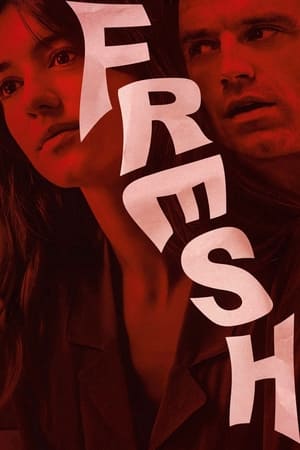



Frustrated by scrolling dating apps only to end up on lame, tedious dates, Noa takes a chance by giving her number to the awkwardly charming Steve after a produce-section meet-cute at the grocery store.
Lin-Manuel Miranda’s 'Vivo' is a children's animated musical rich in Hispanic culture! The story follows a kinkajou as he delivers a love song for a friend.
A K-9 police dog goes undercover to stop an illegal animal smuggling ring and learns a valuable lesson along the way.
This live-action Barbie movie brings strong feminism and topics about blondes.
'Air' is a fun film about a company that put it all on the line for a 22 year old kid from North Carolina
Unrelentingly funny, highly entertaining, and ridiculously absurd, My Movie Starring Paul Dano is, according to its creator, Joe Bartone, a tribute to the willful ignorance of independent filmmaking found in the late '70s in New York City. Developed through open discussions with the cast at the reading table, the mockumentary follows a delusional and fame-starved indie director, Herman Rumowicz, through the process of making his very first feature movie starring Paul Dano.
Shudder makes an incredibly atmospheric docuseries about the darker side of Hollywood mysteries.