



“Uncle Frank”: Acceptance and Queer Representation
Growing up with a lot of siblings, young Beth felt ignored her immediate family. Uncle Frank made her feel seen, heard, and accepted.
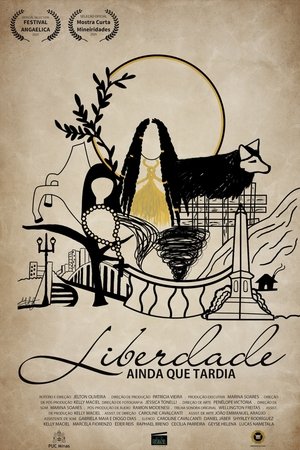


Passing through the mountains of Ouro Preto, through a peaceful rural area, through the heart of the metropolis Belo Horizonte and also through its periphery, each character in “Liberdade, though belated” lives a different reality. Elisa hides a great sin, João carries the pain of a loss, Felipe lives continuous nights of torment and Rosana, the anguish of protecting her best friend from an abusive relationship. Their conflicts are distinct, but the longing for freedom is what unites them.
Growing up with a lot of siblings, young Beth felt ignored her immediate family. Uncle Frank made her feel seen, heard, and accepted.
Perhaps the most amazing and groundbreaking quality about The Birdcage is how removed it is from both illness and insensitivity. Whereas films preceding it were often somber stories about the tribulations of being gay in a conservatively straight world, Nichols and screenwriter Elaine May expose the fallacies of conservatism as traditional values are thrown into a more open-minded space. They don’t care how far the community has fallen so much as how high they can rebuild themselves.
Despite the film’s efforts to reframe its heroine with modern complexity, a certain emotional distance lingers.
Viewers get a glimpse of life of mediocrity in a world where humans and cartoon characters live together in this comeback.
A man found himself stuck inside the passage to the subway exit on the way to work.
The film exhibits a respect for the craft and an empathy for human tribulations that have historically been ignored.