
Docunight Presents: Iranian Women's Stories
Four documentaries, now streaming on the Criterion Channel, embody the adopted slogan of the current protest movement: Woman, Life, Freedom
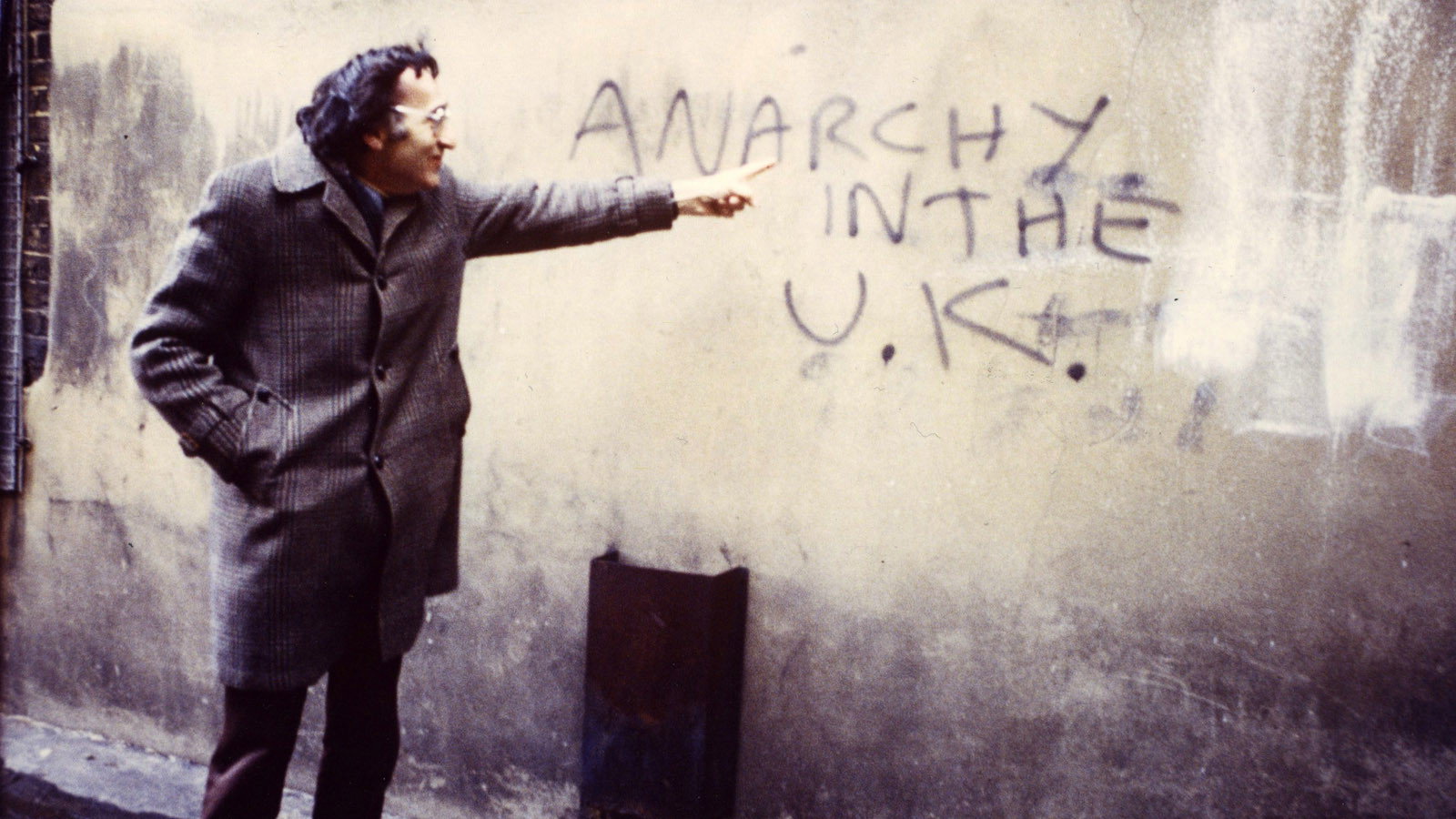



This documentary traces the history of the Yiddish anarchist newspaper that published it’s final issue after 87 years—as told by it’s now elderly, but decidedly unbowed staff.
Four documentaries, now streaming on the Criterion Channel, embody the adopted slogan of the current protest movement: Woman, Life, Freedom
The height of subversive horror cinema is Jennifer’s Body. No, I will never budge on that. Yes, Cabin in The Woods is funny, Scream is very well made, and the Scary Movie franchise is …. there. But nothing is quite as satisfying as watching the teenage succubus that is Jennifer Check rip apart boys. In the post #metoo era where the industry is far from changed, watching revenge flicks like these is probably one of the most cathartic experiences due to the slow-moving progress being made.
Netflix’s Shadow and Bone has a complicated relationship with race. It has a diverse cast, but not without its problems. Based on Leigh Bardugo’s two book series, the show features characters from the Shadow and Bone trilogy, which is very straight and white, and the Six of Crows duology, which is much more diverse. When bringing together a cast and writing about these characters, the team behind the show expanded upon some of the representation missing from the first trilogy, then seemed to take away representation from the duology. Shadow and Bone seems to play a bit of a push and pull game when it comes to portraying diversity onscreen.
CODA' is about a child of deaf adults torn between staying with her parents and her dreams of pursuing music. This film is a step forward for deaf representation and disability in movies despite negative messages about the burden of actors deaf deafness.
The Mandolorian has a more nuanced and commentative take on masculinity that refrains from praising the toxic traits associated with the social category, while also showing a more positive and transformative representation of masculine characters.
White audiences saw Peola’s mixed-race passing as a Black woman’s struggle to be white. Black audiences saw it as the rebellion of a Black woman trying to gain privileges only given to white people.