
Go and Tell Everyone About 'Candyman'
‘Candyman’ (2021) builds upon the original 1992 film by presenting the myth of Candyman not only as an example of black pain, but as an opportunity for black vengeance.




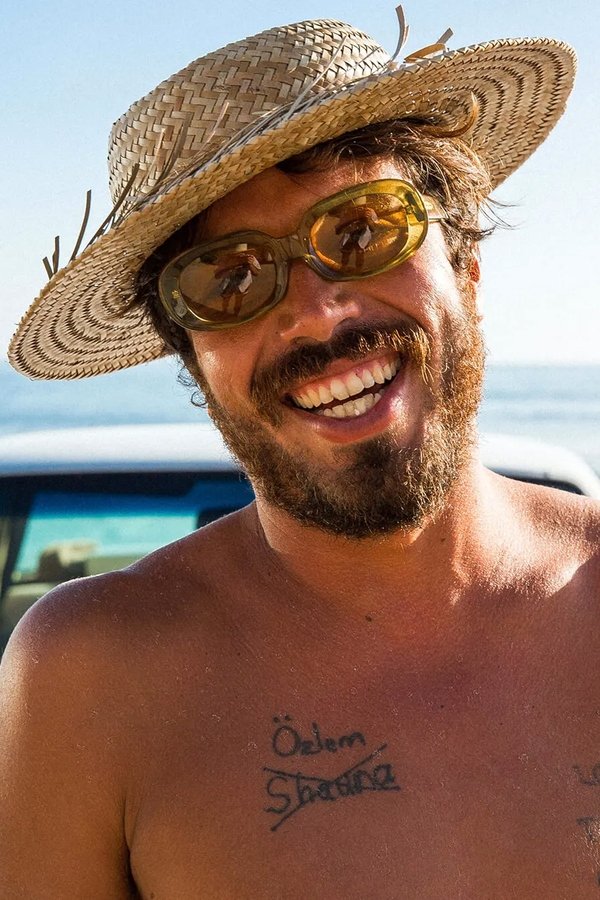
Free Jazz Vein is an experimental surf film shot on super 16mm film. In his latest work, Argentinian-born and US-based artist, Tin Ojeda, pursues his ongoing fascination with a vintage, 1970s filmmaking style inspired by period jazz album covers and movie posters. Shot in the USA, Central America, Australia, and Indonesia, the film celebrates surfing exploits while keeping an eye on the darker side of things. Ojeda, who shot and edited the film himself, revels in spectacular scenes of sunsets on the beach, sunlight glinting on foam, and heart-stopping shots of the chiseled bodies of pro surfers gliding through the waves. At the same time, he provides glimpses into the poverty that exists next to the glorious beaches, and hints at political violence simmering just under the surface. Super 16mm film, with its grainy texture, lens flares, and painterly depth of field, lends the film a nostalgic feel, while off-screen dialog and statements keep it in the 'here and now'.
‘Candyman’ (2021) builds upon the original 1992 film by presenting the myth of Candyman not only as an example of black pain, but as an opportunity for black vengeance.
Check out the ABCs of Abbott Elementary - Cast & Reviews - In 'Abbott Elementary' showrunner and star Quinta Brunson highlights common issues among teachers deserving of Superhero Status.
A pampered dog who gets lost and has to learn to live on his own while being flexible with surroundings.
That feeling in your gut which tells you that there’s something out there you should look for and make your own, is what the power represents
CODA' is about a child of deaf adults torn between staying with her parents and her dreams of pursuing music. This film is a step forward for deaf representation and disability in movies despite negative messages about the burden of actors deaf deafness.
Darren Arronofsky focuses on diverse and heartbreaking stories about the human experience.