





Dissecting the Casual Racism of “Airplane!”
Airplane! (1980) is a fun spoof comedy with lots of laughs, right? I watched this film for the first time the other night. I loved it. Then came the racist jokes.

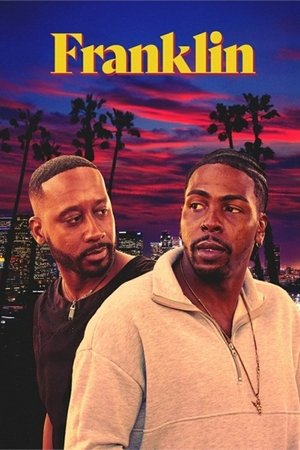


Franklin Scott is a gay adult entertainer whose work in the industry casts a long shadow over his aspirations of Hollywood stardom. Despite his charisma and ambition, he finds doors repeatedly closing in his face. As he struggles with rejection—from family, from the mainstream entertainment world, and from a society quick to judge—Franklin forms an unexpected personal connection that becomes both a lifeline and a catalyst for change. This bond forces him to confront the hidden trauma he's carried, face painful truths about himself and those closest to him, and reckon with a world that seldom sees—let alone accepts—his full humanity .
Airplane! (1980) is a fun spoof comedy with lots of laughs, right? I watched this film for the first time the other night. I loved it. Then came the racist jokes.
This fantasy musical movie is an origin story about the title character.
We got a movie that takes the old school approach of trying to creep you out with chilling atmosphere more than anything else.
Telling a story about the French and Indian Wars from the perspective of the British prioritizes the perspective of the colonizers.
Considering the runtime, I expected each scene to hit harder as opposed to a series of montages and vignettes.
Even if Drive My Car (2021) doesn't win Best Picture, it exudes a palpable sense of dreariness and lifelessness that is further embodied by Yusuke, portrayed tragically by Hidetoshi Nishijima. Check out movie reviews & summary!