
Fragments
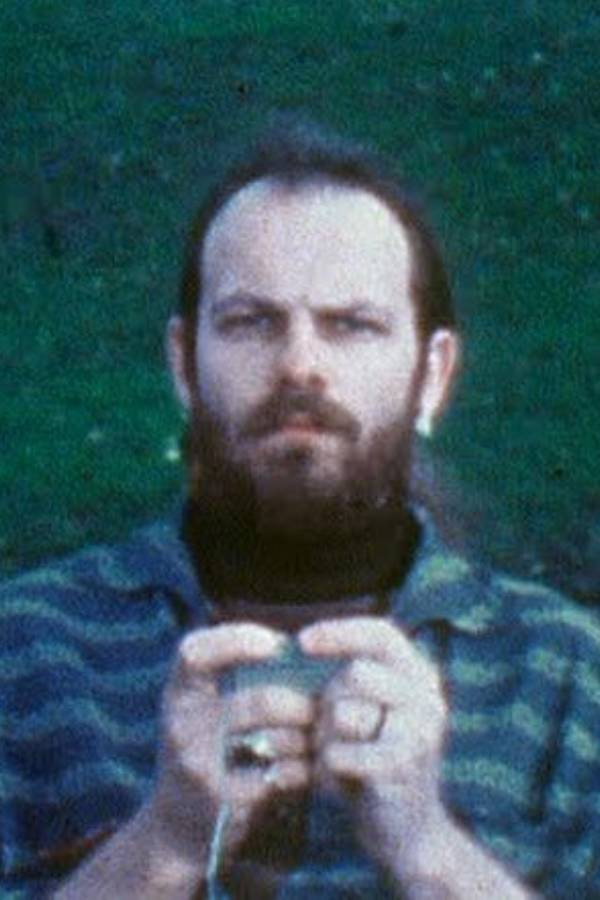
Eyes and ears travel discontinuously through everyday life and the sub-worlds of the city and the body. A fragmented and subjective day-to-day chronicle that outlines a recurring obsession for registering even the most ordinary things, where the least poetic aspects of life, that is to say, the most somber ones, become the eye’s filter.

- / 5
PopScore
Representation
Pictures and Videos

Movie Information
Eyes and ears travel discontinuously through everyday life and the sub-worlds of the city and the body. A fragmented and subjective day-to-day chronicle that outlines a recurring obsession for registering even the most ordinary things, where the least poetic aspects of life, that is to say, the most somber ones, become the eye’s filter.
Rating:
Genre:Documentary
Written By:Teo Hernández
In Theaters:
Box Office:
Runtime:24 minutes
Studio:




Articles You May Like
Miley Cyrus – 'Endless Summer Vacation' (Backyard Sessions)
Miley Cyrus makes a revival in this Disney+ documentary on her recent album Endless Summer Vacation.
Wanda Maximoff: The Hero We Deserve, Not The Villain We Need
If the message here is that without a support system, grieving people turn into monsters, it’s not really well-delivered and may be flawed as a message itself.
‘Minari’: Authenticity Without The Trauma Porn
When diverse representation is featured on-screen, it oftentimes comes with strings attached that undermine the message they were trying to send. This can be attributed to the fact that behind-the-screen, the industry primarily does not reflect the breadth of diverse difference that is present in daily life. That’s why when something as powerful and authentic as Minari comes along, it is both incredibly wonderful and needs a large audience to witness it.
You're Probably Not 'The Worst Person In The World'
'The Worst Person In The World' follows a part of life I don't see often portrayed on-screen: extended adolescence.
Hustlers Should’ve Hustled More!
Hustlers was meant to be a film about female empowerment. And it was, to a certain extent. I expected and wanted this to be a kickass and complex film of sexy women who use their confidence, skills, and wits towards a brilliant plan to get revenge on the Wall Street guys who wronged them.