
“Selena: The Series": A Disservice to Selena’s Legacy
'Selena: The Series' loses sight of the story's heart: Selena herself.
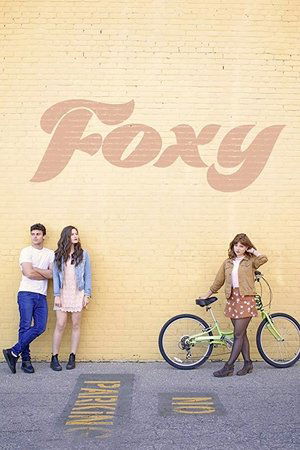


Foxy tells the story of Penny Todd, a 20 year old aspiring filmmaker who is desperately trying to keep a "secret" in order to feel "normal" in a world of unachievable societal beauty standards. At the age of ten, Penny lost all of the hair on her body (eyebrows and all) due to an immune condition called alopecia. Since her diagnosis, Penny has chosen not to tell a soul, including her current boyfriend, out of fear of being looked at as strange or "ugly". By hiding this condition, Penny is soon forced to choose between what is more important: giving up on her relationship along with her dream of entering 'Moonwaltz Film Festival', or revealing her condition and opening herself up to potential ostracization, shame, and possibly the loss of her relationship.
'Selena: The Series' loses sight of the story's heart: Selena herself.
I have been a long-time fan of the Marvel Cinematic Universe ever since it made its official debut through 2008's absolutely excellent "Iron Man". The run continued, as did my associated fandom of the films, through the utterly EPIC 2019 finale "Avengers: Endgame".
The Roses is a wickedly sharp marital warfare comedy that transforms domestic dysfunction into high art. Olivia Colman and Benedict Cumberbatch deliver powerhouse performances as a couple whose fairy-tale romance implodes when his architectural career collapses just as her culinary empire takes off. What makes Jay Roach's remake so devastatingly effective is its refusal to pick sides—both spouses are equally sympathetic and monstrous, wielding Tony McNamara's razor-sharp dialogue like weapons forged from shared intimacies. It's a film that dares you to laugh at relationship wreckage while forcing you to confront the uncomfortable truth that the line between passionate love and mutual destruction is terrifyingly thin.
Renee Zellweger shines in this Judy Garland biopic, which highlights the pain and loneliness that so many famous women endure.
“Candyman ain't a 'he.’ Candyman is the whole damn hive." Candyman represents all Black victims of white supremacy, and this art form narratively conveys it in a succinct, adulatory way, the history of which is rare to find.
“I’m always interested in exploring female fantasy, and the sexy witch is a loaded archetype that is simultaneously about men’s fears and fantasies about women, and women’s feelings of empowerment and agency. So whereas we are used to seeing the sexy witch or the femme fatale from the outside, I wanted to explore her from the inside.” - Anna Biller, on why she made The Love Witch