
Making a Killing in 'Killers of the Flower Moon'
‘Killers of the Flower Moon’ is preoccupied with plot and not on the greater struggle of the Osage.
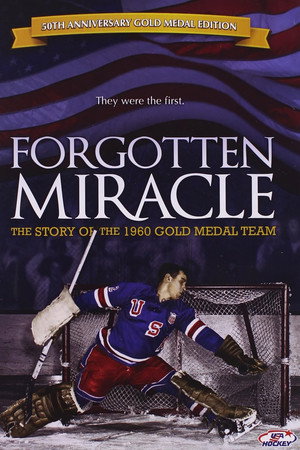


They were the first. The miracle before the miracle on ice. 1960 marked a time of transition. The Cold War was heating up. Television was introduced to the Olympics. Decades of Canadian hockey dominance were met by an emerging Soviet dynasty. In the middle of it all, a team of unheralded but talented Americans saw their chance for gold. Carpenters, insurance salesmen, firemen and servicemen by day, these men also happened to be America's greatest hockey players. And for two weeks in California, they were the best in the world. Together they achieved something that has still never been matched by an American hockey team: an unblemished record in an Olympiad. But for all the greatness of the 1960 US Olympic team, they remain a footnote in the history books. It's a triumph that could aptly be called a "Forgotten Miracle."
‘Killers of the Flower Moon’ is preoccupied with plot and not on the greater struggle of the Osage.
When Juana tries real sushi for the first time, she is immediatley smitten by it and discovers a passion she never knew she had.
The film is bogged down with one-off rain monster threats that always come to a quick and undramatic end
This story solidified my choices to consume a more plant-based diet and nearly made me cancel my subscriptions to big corporations like Amazon. The narrative was perfectly crafted and on par with Bong Joon-Ho’s other major works; Parasite and Snowpiercer.
'An American Werewolf in London' possesses a possible queer reading in the way it envisions a heterosexual romance being undone by the presence of a creature who embodies self-contentment in the face of social alienation.
When you think of the horror genre, the LGBTQ+ community is probably one of the last things you think of. However, horror is much more queer-coded than you may think.