Looking Behind the 'Z-O-M-B-I-E-S' Trilogy
Our trilogy at Seabrook High School starts with a rivalry between zombies and humans who eventually come together.



The young and charming Mandoline, accountant of the advertising agency Publi-Pub, has stolen documents proving that the company kept double accounts. Remorseful when she wanted to pass this evidence to a tax inspector, she decides to put the documents back in the agency's safe, but does not really know how to go about it. Her friend Marie-Charlotte, a transvestite, helps him find a young safe-drilling man in his condition, who will help him open the safe - but of course, the matter is not so simple.
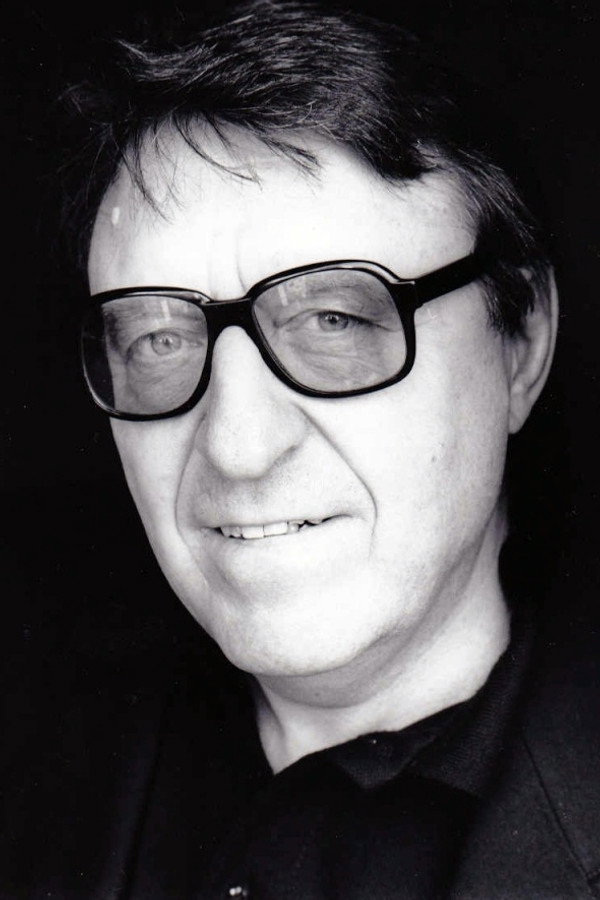
Michel Wyn
Director


Marie-Hélène Breillat
Gwendoline, aka 'Mandoline'

Bernard Ménez
Michel

Jean-Pierre Darras
Gérard Gouttières, aka 'G.G.'

Henri Garcin
Etienne Verrière
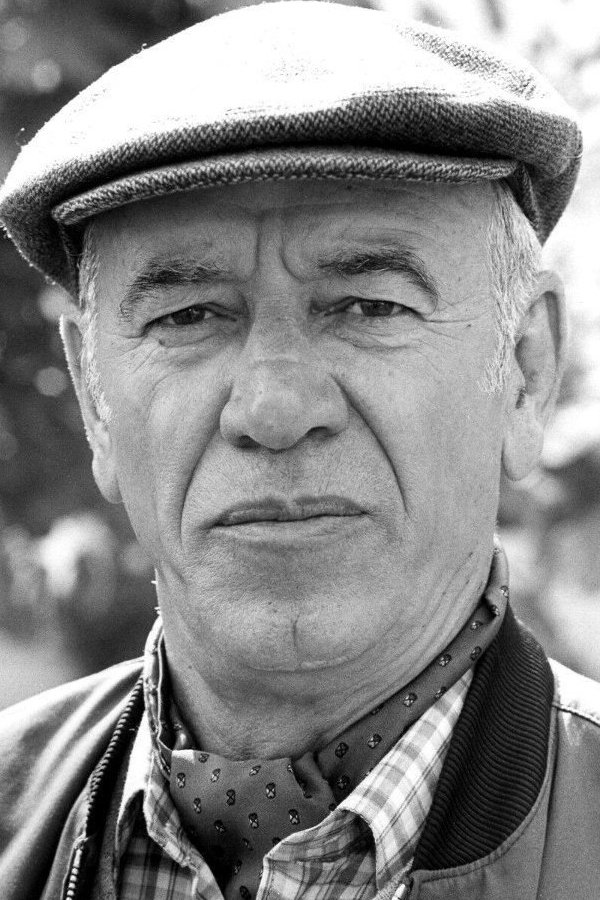
André Pousse
Eugène de Charonne

Pierre Tornade
Jean-Paul Tardu
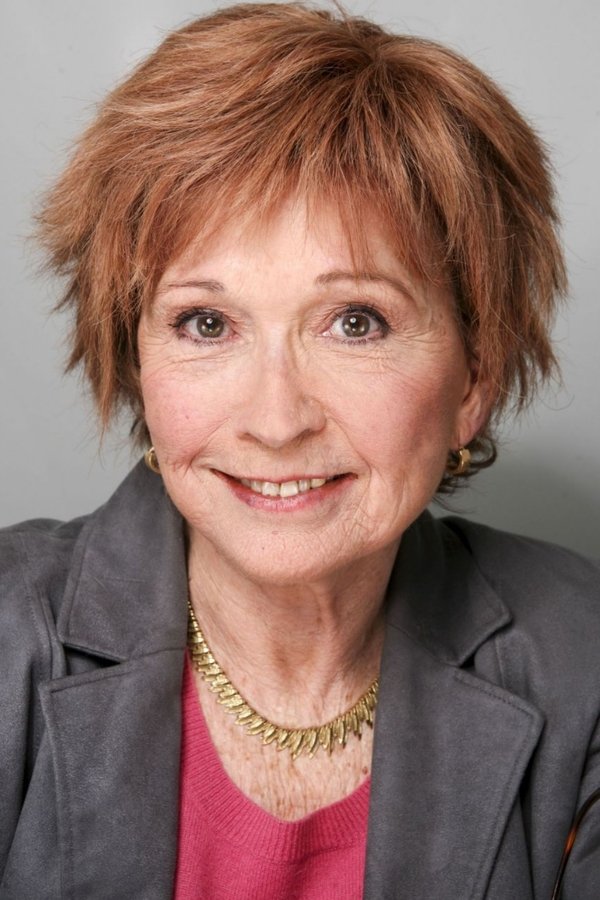
Marion Game
Frédérique
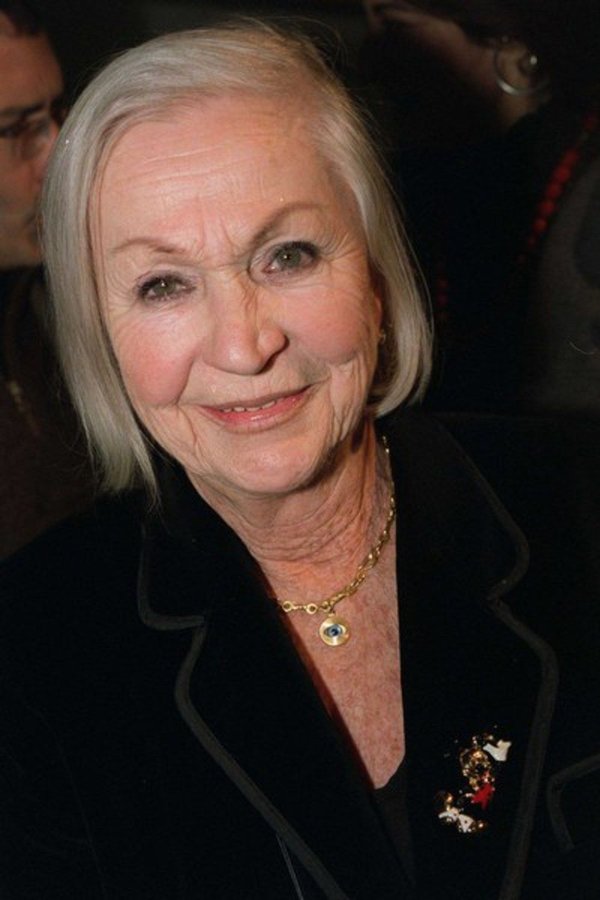
Ginette Garcin
Marie-Charlotte, formerly Corporal Germain Beauchamp

Monique Lejeune
Anne
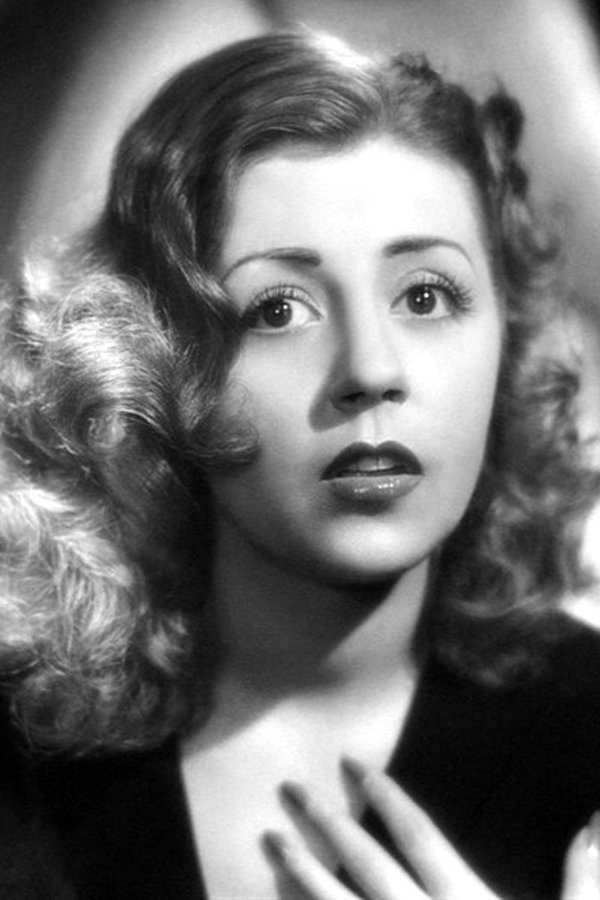
Suzy Delair
Mireille

Florence Giorgetti
Jocelyne
Our trilogy at Seabrook High School starts with a rivalry between zombies and humans who eventually come together.
Making Apes begins by looking back at the history of makeup effects in Hollywood, which was revolutionized by Jack Pierce, the person behind Frankenstein (1931) and The Wolf Man (1941)
James Cameron’s The Terminator (1984) marks the beginning of a wonderful two-part arc, brimming with style and substance. The film follows Sarah Connor, a waitress living in Los Angeles. One night, a cybernetic organism (Arnold Schwarzenegger) is sent back in time to kill Sarah. A human resistance fighter (Michael Biehn) is also sent back in time, with the intent of saving Sarah from this deadly foe.
Facing the world with our fair share of uncertainties and/or apprehensions, many of which, sadly, may be well-founded, is nothing to sneeze at. Influenced and buffeted by the constant barrage of social media, fake news, and general upheaval present in our contemporary reality, what IS real and what's not becomes a blur.
“Unsung” does not begin to describe the obscurity Bayard Rustin endured in the shadows of the Civil Rights Movement
Never Have I Ever season 3 is charming and hilarious as it has been in past seasons and still sports a diverse ensemble cast. However, the show doesn’t always treat its marginalized characters that well.