


Poverty In Black And White
Poor Black characters are usually surrounded by crime and violence, while poor White characters are portrayed as noble and hard-working.
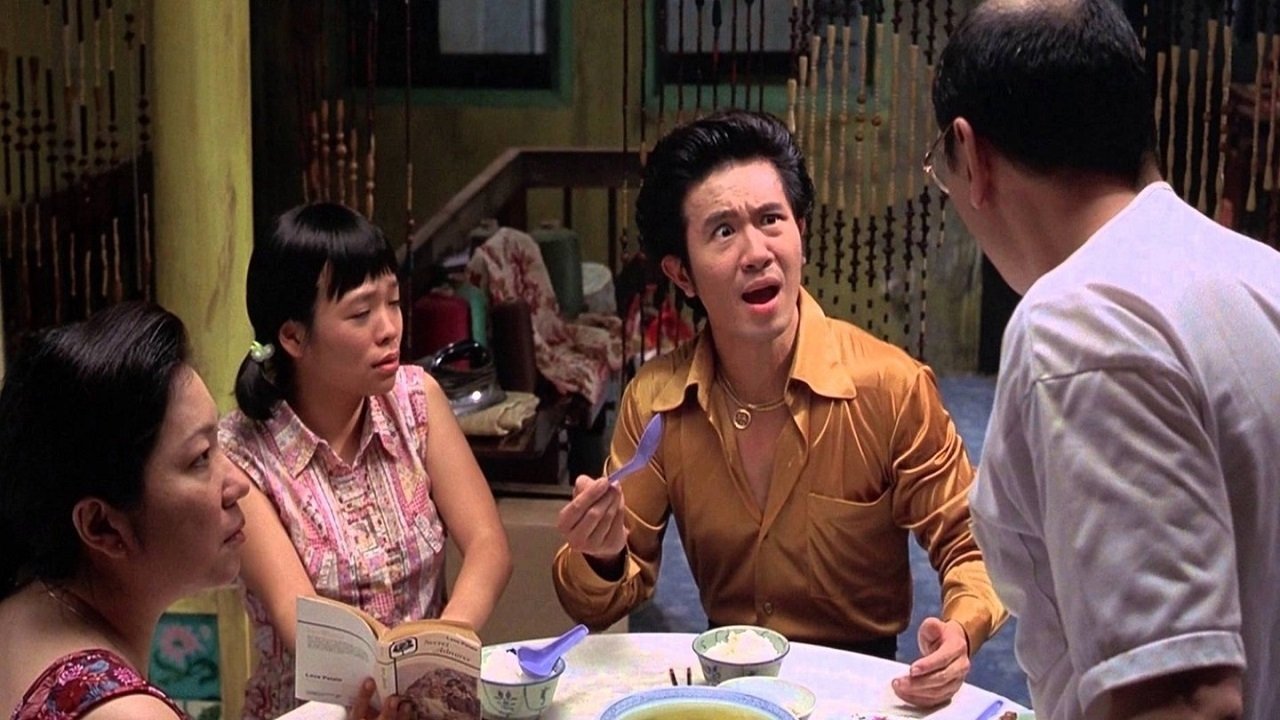
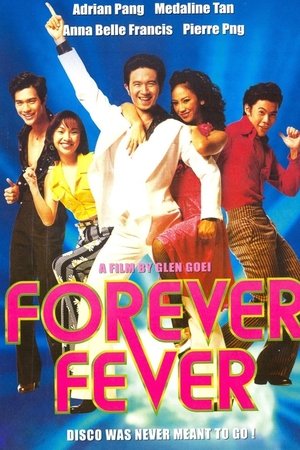


Hock, a Bruce Lee-worshipping grocery boy, falls in love with disco after a screening of his favorite kung fu film is replaced with a "Saturday Night Fever" clone. Partnering up with his friend Mei, he signs up for dancing lessons to prepare for a contest, in order to make some extra cash and buy a new motorcycle.
Poor Black characters are usually surrounded by crime and violence, while poor White characters are portrayed as noble and hard-working.
I am shocked and upset to report that the movie about a female car mechanic who meets the love of her life online featuring Katy O’Brien does not, in fact, have a lesbian storyline.
Netflix takes some liberties in its portrayal of Madame CJ Walker, a trailblazing Black entrepreneur.
Swapped combines comedy, adventure and emotional growth while delivering one of the biggest plot twists in animation history.
In Spike Lee’s She’s Gotta Have It (1986), we follow the love life of powerful female protagonist Nola Darling (Tracy Camilla Johns) and explore the relationship dynamics she has with her partners. She sees three men simultaneously: Greer Childs, (John Canada Terrell) Mars Blackmon (Spike Lee), and Jamie Overstreet (Tommy Redmond Hicks). Though an 80’s film, She’s Gotta Have It is surprisingly progressive with its themes of female sexuality, although at some points in the film it is handled clumsily. Overall Nola is an incredibly compelling character especially for modern women, as we as a society acknowledge female sensuality more and more without the negative stigma.
“Synchronic” is special, but it doesn’t succeed in achieving all the objectives it aims for. The film is a science fiction oeuvre which tries to be cerebral at some points, although the original idea is interesting, it only accomplishes to talk about some serious matters superficially.