



Dead Poets Society Steals a Queer Story
Dead Poets Society relies on patriarchal tropes such as overbearing fathers, contrived brotherhood, and faux-individuality in order to portray its straight white male characters as oppressed.

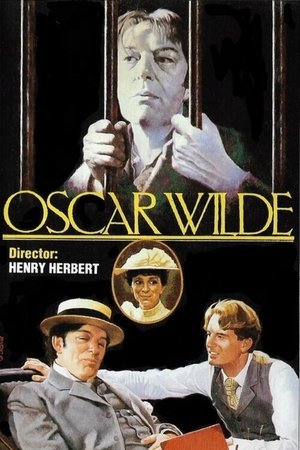
As in earlier Oscar Wilde biopics, this version preoccupies itself with the homosexuality scandal involving Lord Alfred Douglas and his lordship's political powerful father, the Marquis of Queensbury. Arrested for corrupting Lord Douglas' morals, Wilde spends a debilitating five years in Reading Gaol, emerging a shattered shell of his former self
Dead Poets Society relies on patriarchal tropes such as overbearing fathers, contrived brotherhood, and faux-individuality in order to portray its straight white male characters as oppressed.
As a musical fan, I enjoyed the film and encourage anyone who likes dark humour and a bit of blood to give it a watch.
As a frequent “the book was better” extoller, this movie was well worth the watch.
I’m still trying to comprehend the psychological and moral implications of their fascination with each other, or why their almost written-in-the-stars depth of connection makes so much sense.
Outer Banks (2020-) knows its audience: young adults in a country that can’t stop romanticizing good ole’ treasure hunts. Add a little of Riverdale’s (2017-) sex appeal, and no one can look away. Forty years after The Goonies (1985) America’s consciousness hasn’t strayed from the same tropes: treasure hunts, a vulnerable white male lead, and the whitewashing of a racially segregated setting.
Emma Stone (Estella and Cruella) and Emma Thompson (the Baroness) did not come to play around in Cruella. They embodied the perfect balance of sinister and sincere. Estella went through a great hero's journey, and what a journey it was!