






Inuit Girls Hunt Alien Monsters in ‘Slash/Back’
Inuit girls use their Inuit tradition to hunt down alien monsters, enough said.
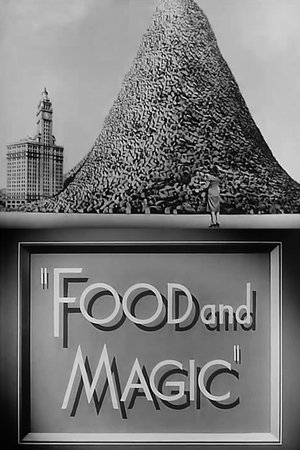


A sideshow barker uses magic and visual aids to alert the public that proper food management is both a resource and a weapon that could be to America's advantage if conserved properly in winning the then current World War. Preserved by the Academy Film Archive, Academy War Film Collection, in 2008.
Inuit girls use their Inuit tradition to hunt down alien monsters, enough said.
Thunder Force brings much-needed diversity to the superhero genre. Unfortunately, it's also an uninteresting and unfunny mess.
'Ms. Davis’ Close Friend' will make you think about the meaning of death and what it means to be alive, and if there’s really a race to be run with one's inevitable demise.
Horse racing is a very difficult sport and challenge, especially for a young woman like Michelle Payne.
The film's Incluvie rating is off the charts. It features Black, Muslim, queer, trans humans whose moms hold them up, fight for them, and love them for who they are...making anything possible.
Personalities clash and tempers fume in a family-run Chicago restaurant