

Dead Poets Society Steals a Queer Story
Dead Poets Society relies on patriarchal tropes such as overbearing fathers, contrived brotherhood, and faux-individuality in order to portray its straight white male characters as oppressed.
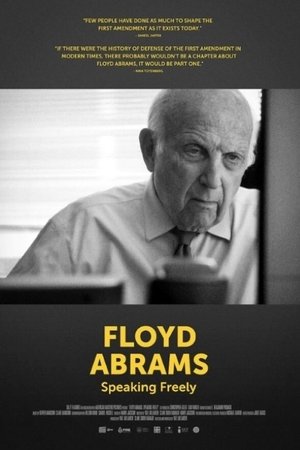


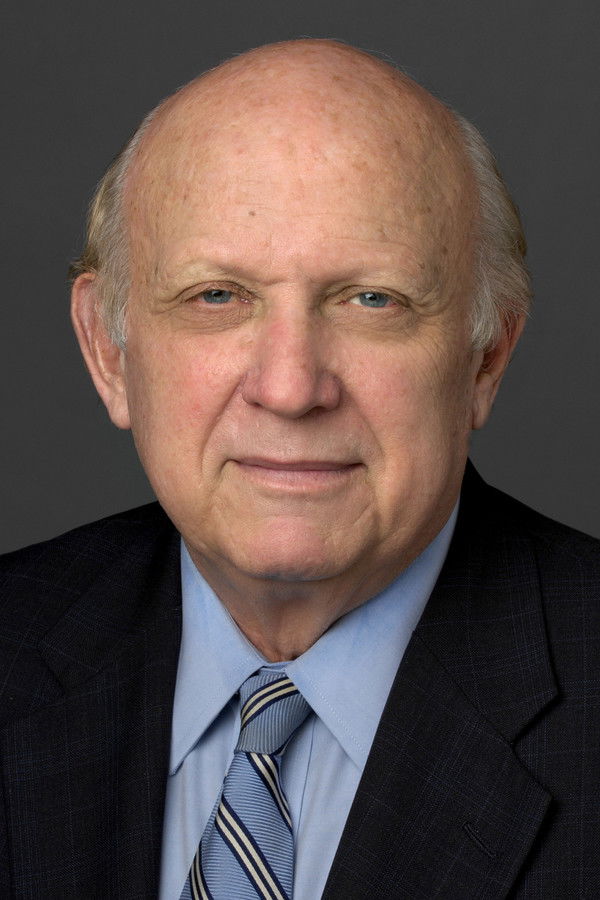
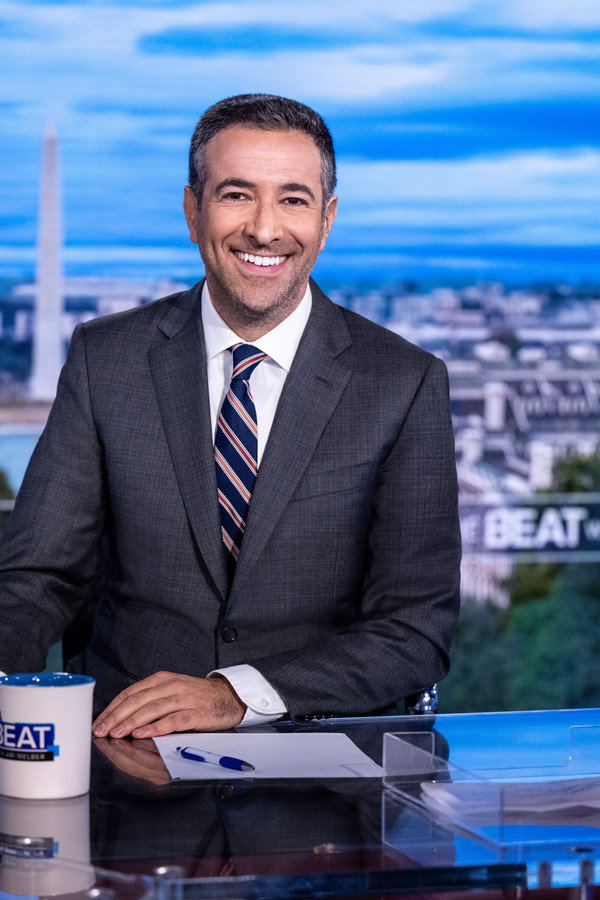
Follow the 50-year career of preeminent First Amendment lawyer Floyd Abrams. See how his landmark cases—from the Pentagon Papers to Citizens United to Clearview AI—helped define free speech as it is known today. Join Dan Abrams, Ari Melber, Nina Totenberg and more as they explore how Abrams' career has shaped major changes in law, public discourse and civic action since the 1960s.
Dead Poets Society relies on patriarchal tropes such as overbearing fathers, contrived brotherhood, and faux-individuality in order to portray its straight white male characters as oppressed.
The development of existing characters and the addition of some new ones have surely placed 'Ted Lasso' on some sort of an Incluvie A-OK list.
Based on the legendary creature, the Chupacabra, this live-action movie brings an adventure to all.
The social issues The Half of it takes on are handled well, between the antagonization brought on to Ellie for her race and the conflict that arises from her being gay. Both aspects of her character are built up over the course of the film and don’t seem abrupt or rushed. The film shows racism towards Ellie and her and father in varying levels, from having her schoolmates specifically address her as "Chinese girl” to the fore mentioned way her Dad is treated due to language barriers. The same can be said about Ellie being a lesbian. While she never truly “comes out” in the narrative, that does not undermine her journey of self-discovery from being meaningful. These ideas aren’t thrust upon the viewer in a preachy manor, the scenarios that occur feel believable given the rural setting. The film presents watchers with problems whom those like Ellie may face, and leaves us to sit with them and reflect.