









ALTER Horror Short Film - "La Noria"
"La Noria" deftly subverts audience expectations as it explores childhood grief, anxieties, and pain. The award-winning short shows us that often our monsters are often sprung from our darkest places.
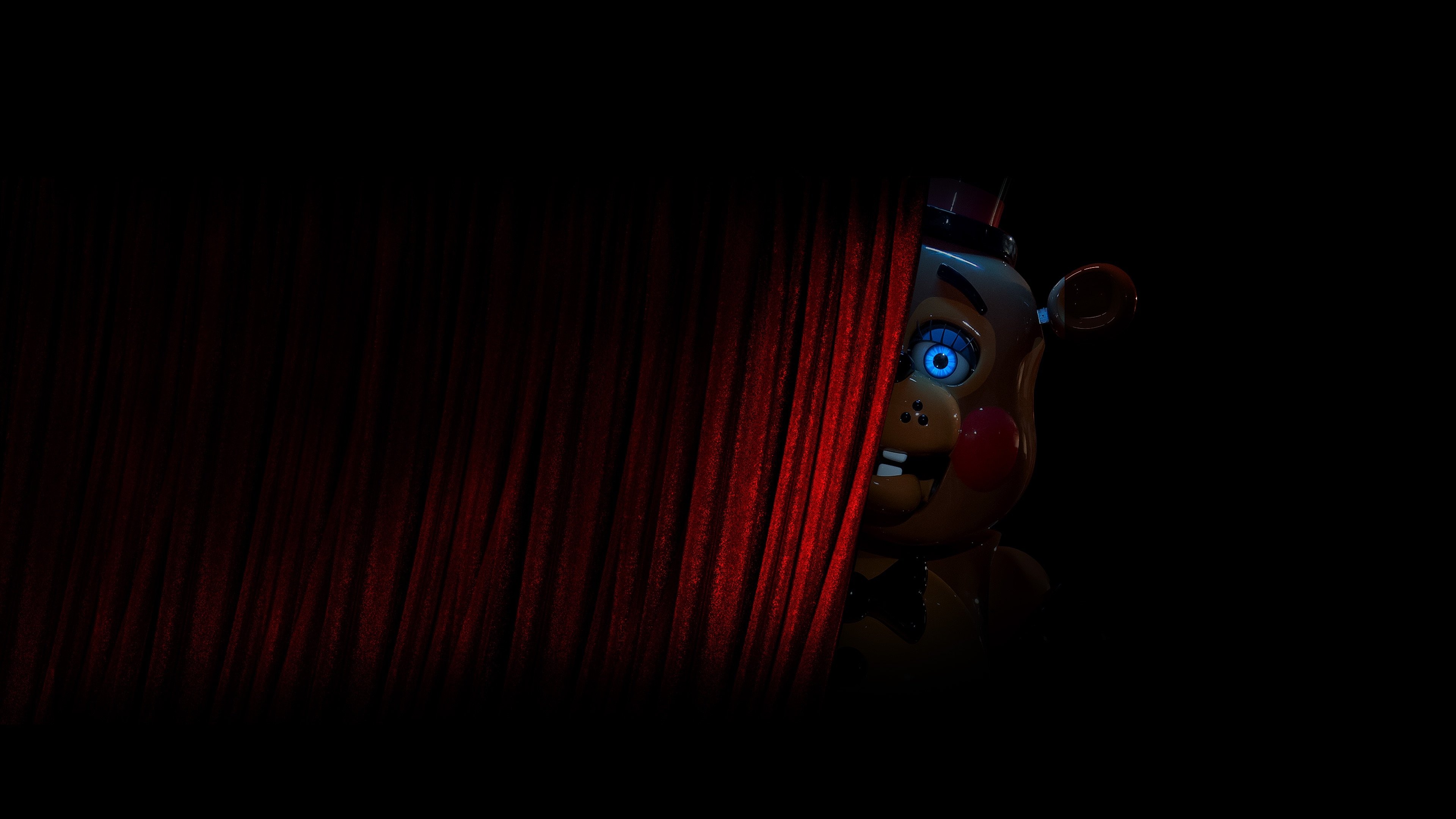
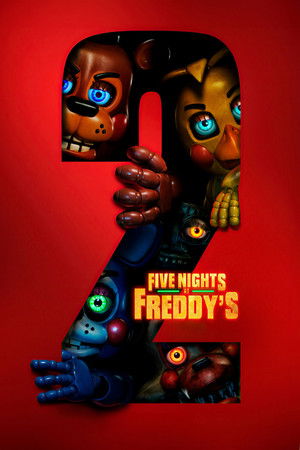


Five Nights at Freddy’s 2 (FNAF 2), the adaptation of the game with the same exact name, has seen wildly polarizing views in the past month since it released. Having finally watched it myself, let’s see what it has to offer.
The film opens with a flashback sequence at the original Freddy Fazbear’s Pizza restaurant. A girl named Charlotte Emily (Audrey Lynn Marie) is pulled by her best friend Vanessa Afton (child: Miriam Spumpkin, adult: Elizabeth Lail) to go have a piece of cake instead of sitting by the stage alone. While sitting there, Charlotte sees a boy being lured into the back rooms by William Afton (Matthew Lillard), the founder of the restaurant, in a yellow rabbit costume. Charlotte panics, attempting to alert any nearby parents of the situation, but she is ignored. As she decides to take matters into her own hands, Vanessa tries to stop her, but Charlotte enters the back rooms anyway. While she manages to rescue the boy by carrying him out of the backrooms, she collapses soon afterwards—having been stabbed by William three times in the back. She falls through the trapdoor onstage and is caught by the Marionette animatronic, which rises with a now deceased Charlotte in its arms. William is never caught and the restaurant closes down soon afterwards as a result.
In present time, Mike (Josh Hutcherson) is trying to move on from the events of the first movie while his younger sister Abby (Piper Rubio) and Vanessa are seemingly unable to. Abby asks Mike about her ghost friends over and over again, but Mike, who does not know of their whereabouts, makes excuses until Abby goes to the abandoned restaurant herself and finds that the animatronics are seemingly gone. Mike finds her sitting on the floor of the abandoned restaurant and apologizes to her for lying, but then lets Abby take something from the abandoned restaurant as a souvenir. She ultimately chooses the FazTalker, a talking toy, and they return home together. Soon afterwards, Toy Chica (voice: Megan Fox) contacts Abby through the FazTalker, asking her to come to the original Freddy’s location. She meets up with the Toy Chica, Toy Freddy, and Toy Bonnie believing them to be her ghost friends from the first movie, just in different bodies. When Vanessa finds out about this, she realizes that Abby is being manipulated—the Toy animatronics are possessed by Charlotte, who is actively attempting to use Abby to escape the restaurant. Vanessa attempts to tell Mike, warning him that Abby is in danger, but Mike doesn’t take the warning seriously.
Soon after, Vanessa returns to the restaurant herself and tries to placate Charlotte, who now haunts the Marionette and demands Vanessa disable the barrier that’s preventing her and the Toy animatronics from leaving the restaurant. Vanessa refuses, knowing that Charlotte will use the animatronics to kill people in her quest for revenge. Charlotte manages to capture Vanessa, holding her hostage until Abby returns to her “friends”. Charlotte threatens to kill Abby unless Vanessa hands over the code to disable the barrier and Vanessa ultimately agrees, freeing the angry spirit. What happens, then, as Abby continues to walk hand-in-hand with the enemy? How will Mike get his little sister out of this situation, and how will Vanessa manage to stop Charlotte’s murderous rampage?

One year since the supernatural nightmare at Freddy Fazbear's Pizza, the stories about what transpired there have been twisted into a campy local legend, inspiring the town's first ever Fazfest. With the truth kept from her, Abby sneaks out to reconnect with Freddy, Bonnie, Chica, and Foxy, setting into motion a terrifying series of events that will reveal dark secrets about the real origin of Freddy's, and unleash a decades-hidden horror.
"La Noria" deftly subverts audience expectations as it explores childhood grief, anxieties, and pain. The award-winning short shows us that often our monsters are often sprung from our darkest places.
'Playing with Fire' was clearly a film made for a kid or tween-ish audience. Keeping that in mind, I thought 'Playing with Fire' was alright, though it did portray some harmful stereotypes.
Joker is a compelling, character-driven, psychological tale that has a message behind the madness.
As many of us know, Marvel Studios has taken an interest in women-led superhero films, but some of us are oblivious to the women behind the camera and pen.
An Indonesian film that brings strong representation of Asian descent in this heart-warming tale of a woman and her dog.
This Disney Channel Original Movie shows how two different groups can coexist.