Writing Great Villains: Why They Shouldn't Be Sympathetic
Writing great villains is about striking a balance between charming and evil, so we love them but also love to see them lose.
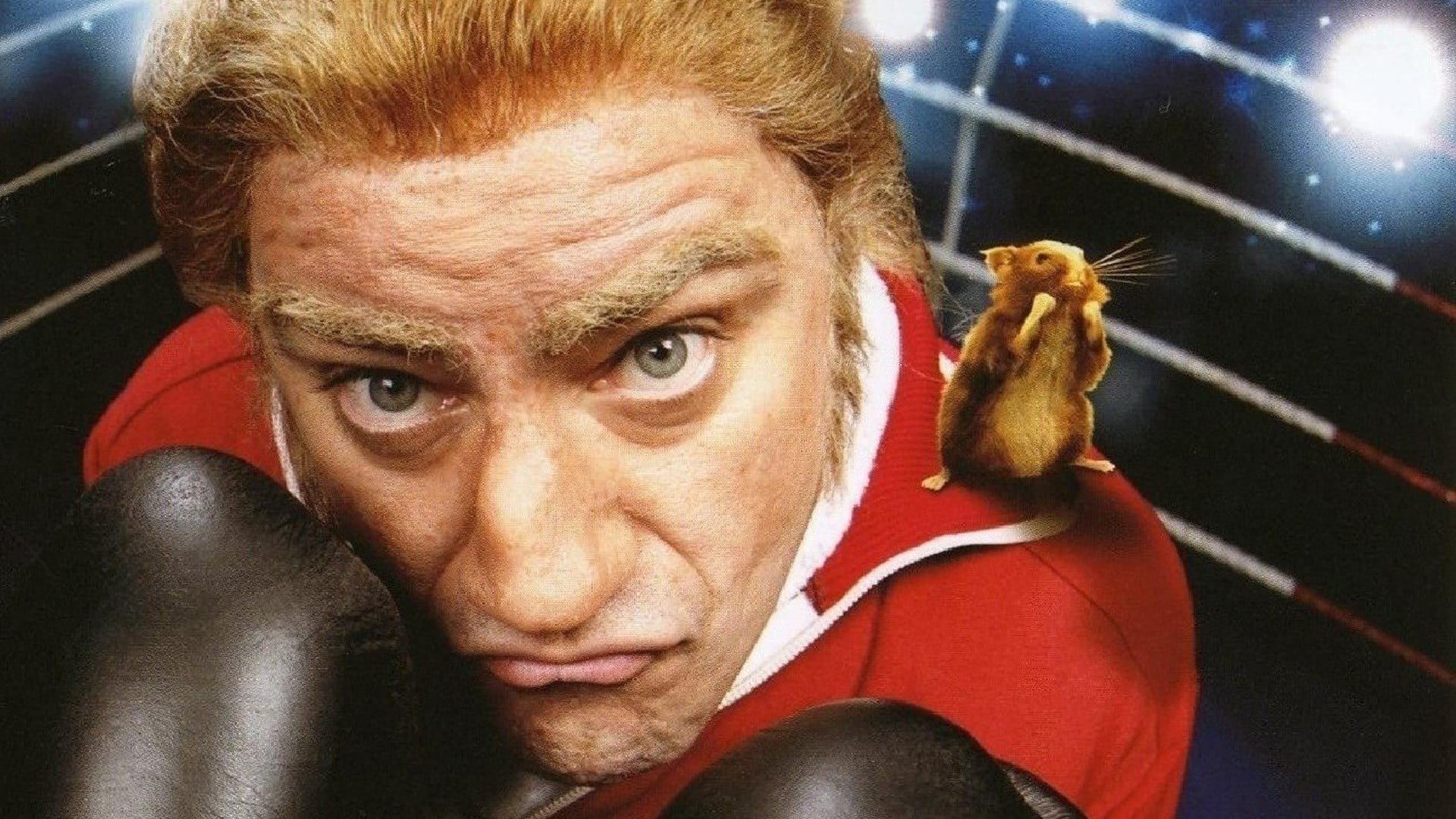
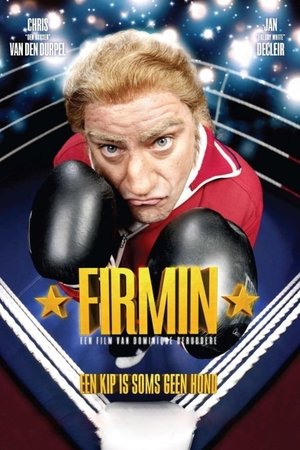


After almost thirty years, Germaine, Firmin's great love, suddenly returns to her hometown. Firmin is overjoyed and determined to win Germaine's heart back, but Germaine rejects his advances. Then Mohammed Boutrous, a young and talented boxer, seeks out Firmin. He wants Firmin to train him. Firmin accepts, hoping to regain his honor and the love of his life...
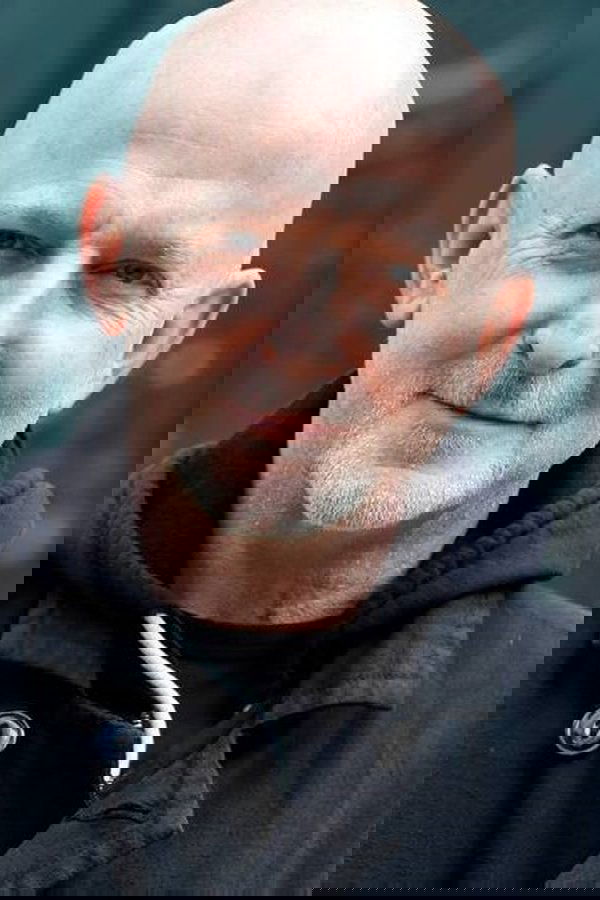
Dominique Deruddere
Director

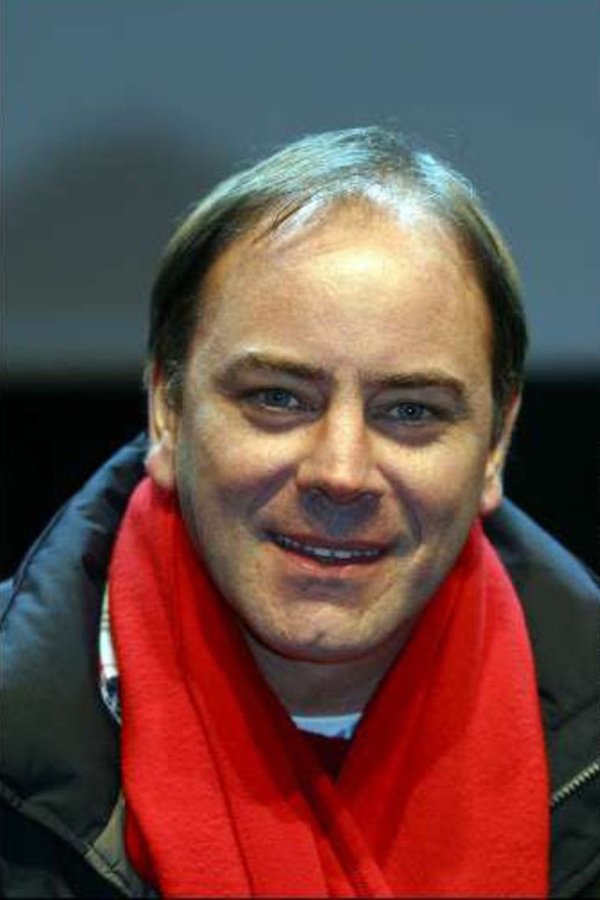
Chris van den Durpel
Firmin Crets
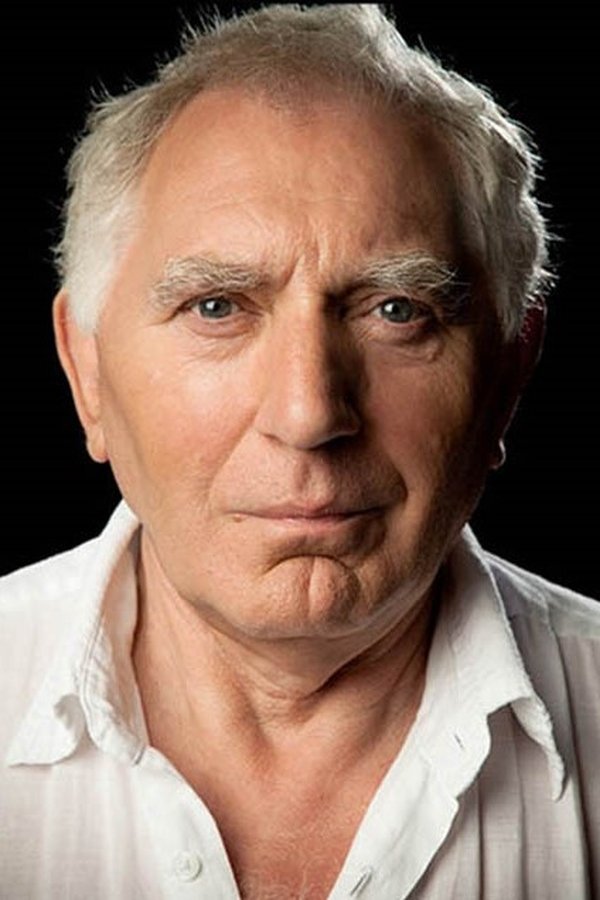
Jan Decleir
Freddy White

Annick Christiaens
Germaine
Said Assissi
Mohammed Boutrous

Catherine Kools
Lies

Frank Focketyn
Voorzitter

Peter van den Begin
Jespers
Kurt Vandendriessche
Raymond
Jurgen Goemans
Rudy Vervloet

Ben Segers
Presentator sportshow

Marc Van Eeghem
Make-up sportshow
Writing great villains is about striking a balance between charming and evil, so we love them but also love to see them lose.
As Andrew’s life begins to change, his passion for drumming soon becomes a spiraling obsession in the pursuit of perfection. Through the use of disturbing and abusive training methods, Fletcher puts Andrew through emotional and physical agony.
A commentary on the exploitation of the elderly fueld by the inherent greed of capitalism.
Not only does the system prevent upward mobility, but it makes it incredibly easy to slide from comfortably middle class to unhoused.
Unlike other documentaries about Princess Diana, Perkins’ film, 'The Princess', is an entire documentary consisting of media coverage and public opinion, rather than a typical series of people interviewed with firsthand experience of the Princess. 'The Princess' beautifully depicts how we perceive Diana as a media figure rather than a real person, specifically creating her persona as a fairytale figure turned saint and icon.
When you don’t factor in the plethora of inferior sequels that have been produced, Luca is one of Pixar’s simplest and most unassuming films in years — and there is absolutely nothing wrong with that. The film thrives on being a visual feast with a warm message for all ages, so much so that its unoriginal storyline doesn’t feel that big of a problem.