



'Causeway' Explores Toxic Masculinity Through Its Protagonists
The message to take away from 'Causeway' is that toxic masculinity can manifest in anyone, no matter what their gender identity is.
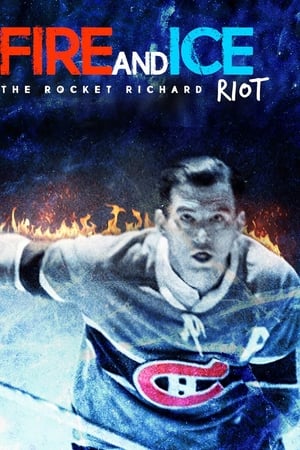


In 1955, as a hotly contested hockey season was coming to an end, the star of the Montreal Canadiens, Maurice "the Rocket" Richard, was suspended for attacking an opponent with a stick and hitting a referee by then president of the NHL Clarence Campbell. This set off a huge riot in the streets of Montreal. The documentary claims, unconvincingly, that this event added to the sparks of the political revolution in Quebec that led to the rise of the separatist movement.
The message to take away from 'Causeway' is that toxic masculinity can manifest in anyone, no matter what their gender identity is.
Eddington attempts to capture how media is intertwined with the uncomfortable present.
Adam McKay might have been more concerned with cramming cameos than he was in this story which is a bloated criticism of the rich and famous… delivered unto us by the rich and famous.
The “gay best friend”, an age-old trope, has been done in countless films and television series. Ranging from one-note (Sex and the City's Stanford and Mario) to nuanced (Unbreakable Kimmy Schmidt's Tituss), the gay best friend exists to support and advise the main protagonist, with their conflicts swept to the side.
This story solidified my choices to consume a more plant-based diet and nearly made me cancel my subscriptions to big corporations like Amazon. The narrative was perfectly crafted and on par with Bong Joon-Ho’s other major works; Parasite and Snowpiercer.
Portraying how easy it is to be an ally heavily benefits the majority audience. The more we encourage it, normalize it, and give people the tools to become one, the sooner we can co-exist peacefully.