“Omaha”: Innocence Broken by Economic Injustice
Omaha reminds us of what it can feel like to look at old family photographs. You sit with the bittersweetness, allowing it to wash over you; not drowning in it, but certainly affected by it.
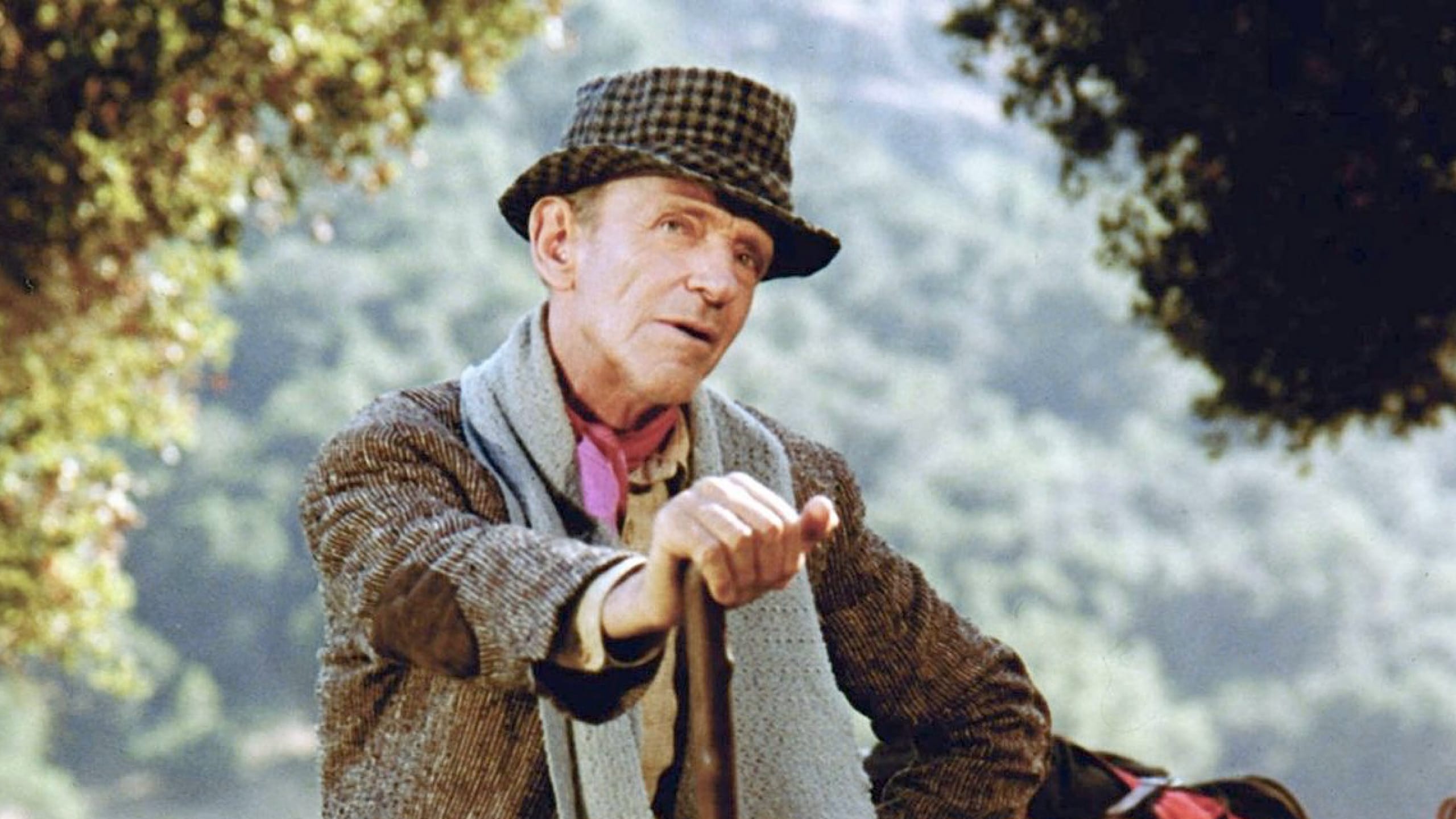



An Irishman and his daughter arrive in the American South with a stolen pot of gold, hoping to make their fortune. Pursued by a leprechaun desperate to recover his treasure, they become entangled in a battle over land, love, and prejudice in Rainbow Valley—where the gold’s magic turns wishes, and lives, upside down.
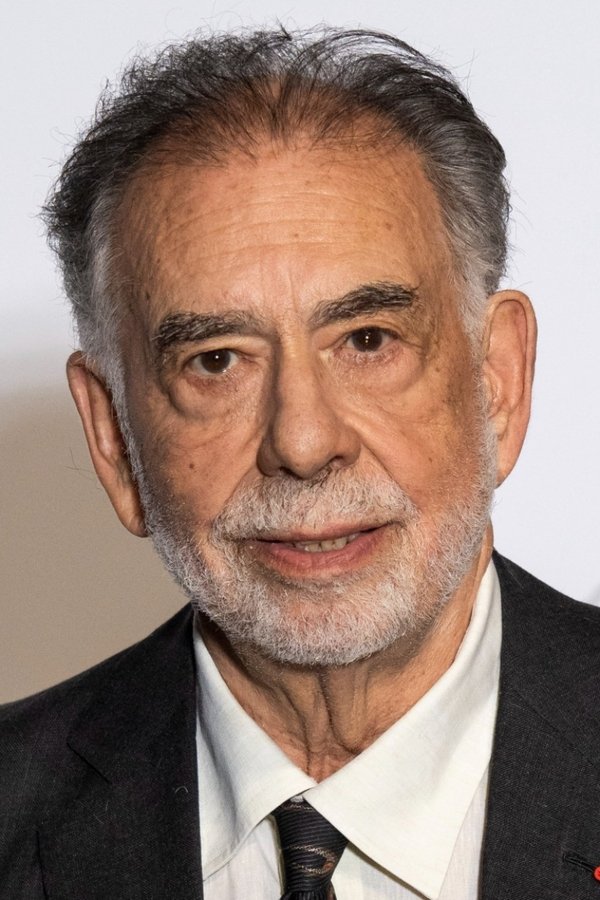
Francis Ford Coppola
Director

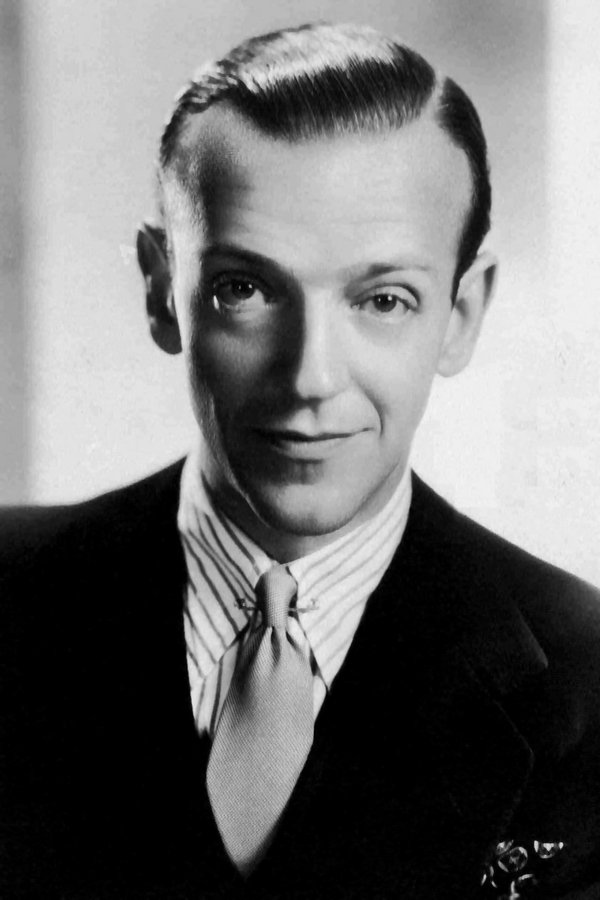
Fred Astaire
Finian McLonergan
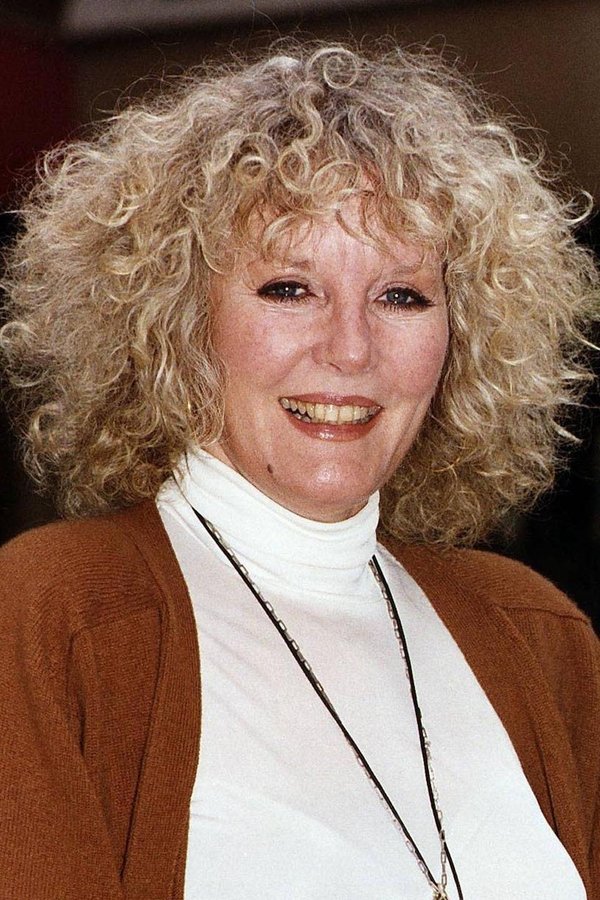
Petula Clark
Sharon McLonergan

Tommy Steele
'Og' the Leprechaun
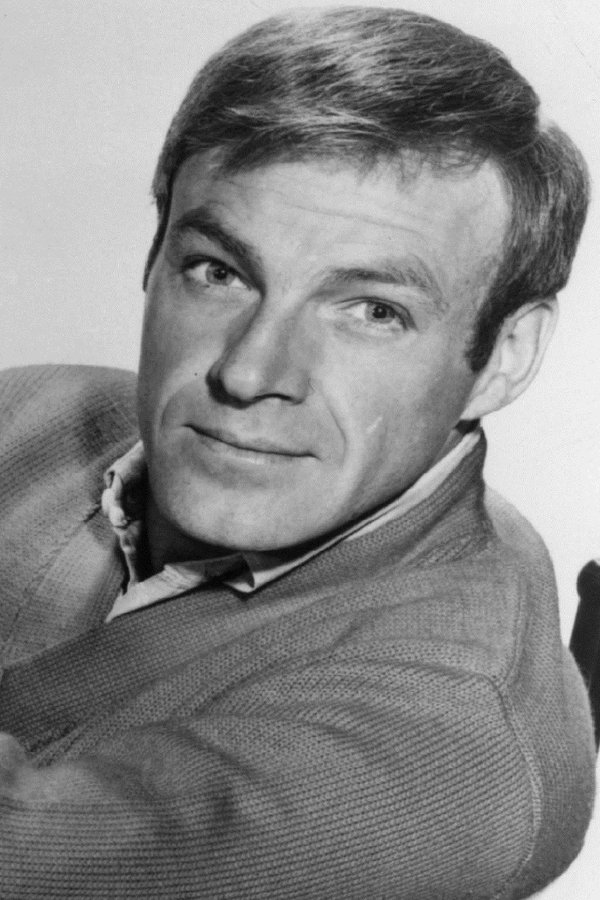
Don Francks
Woody Mahoney
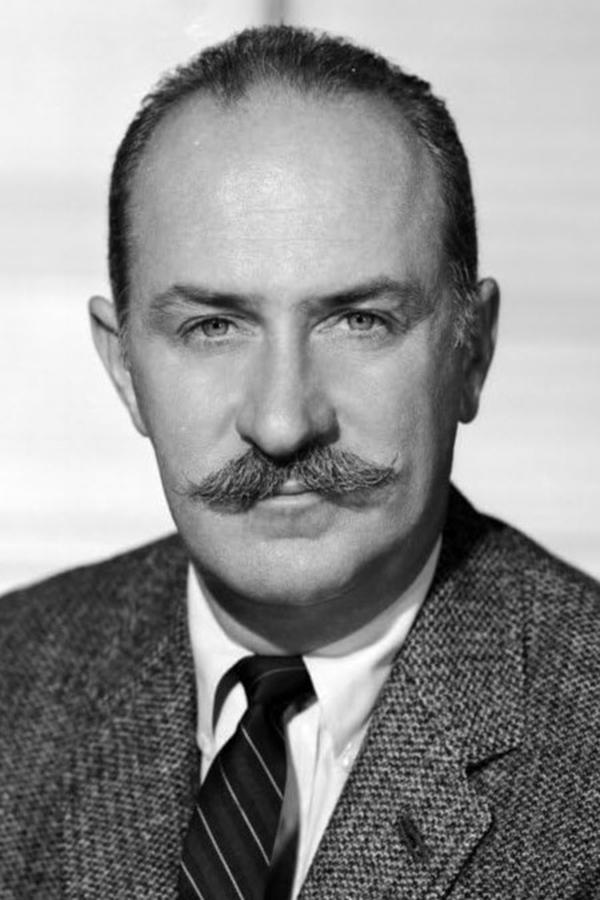
Keenan Wynn
Senator Billboard Rawkins
Barbara Hancock
Susan the Silent
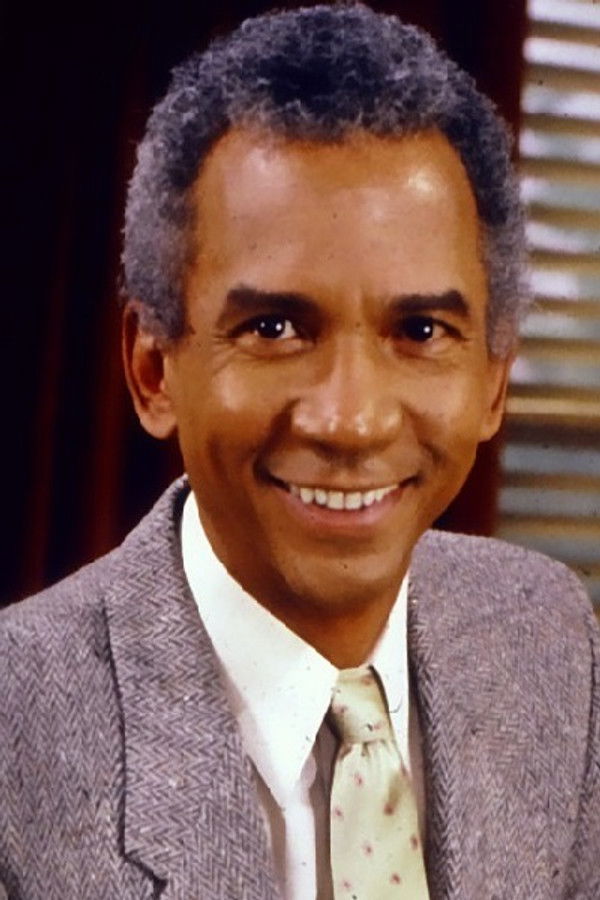
Al Freeman Jr.
Howard
Ronald Colby
Buzz Collins
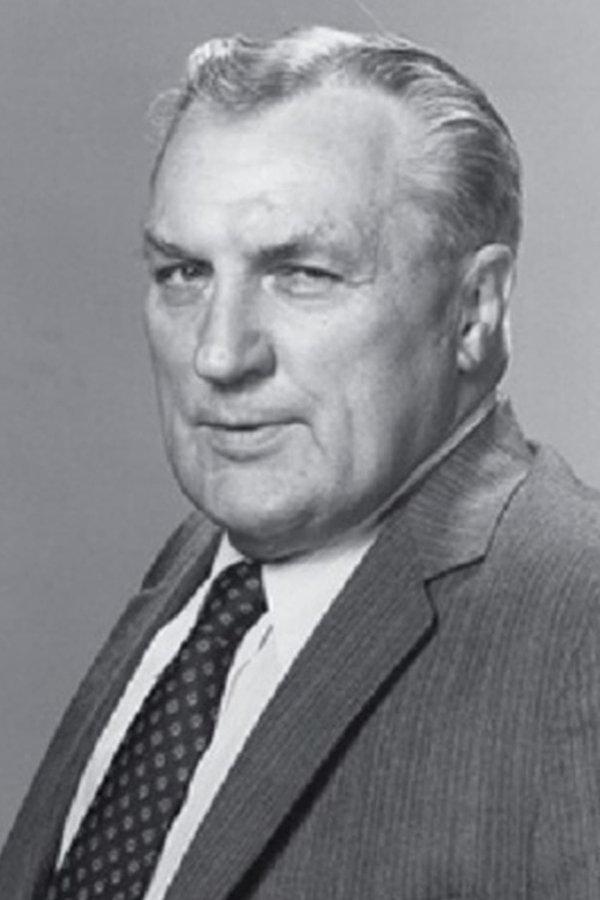
Dolph Sweet
Sheriff
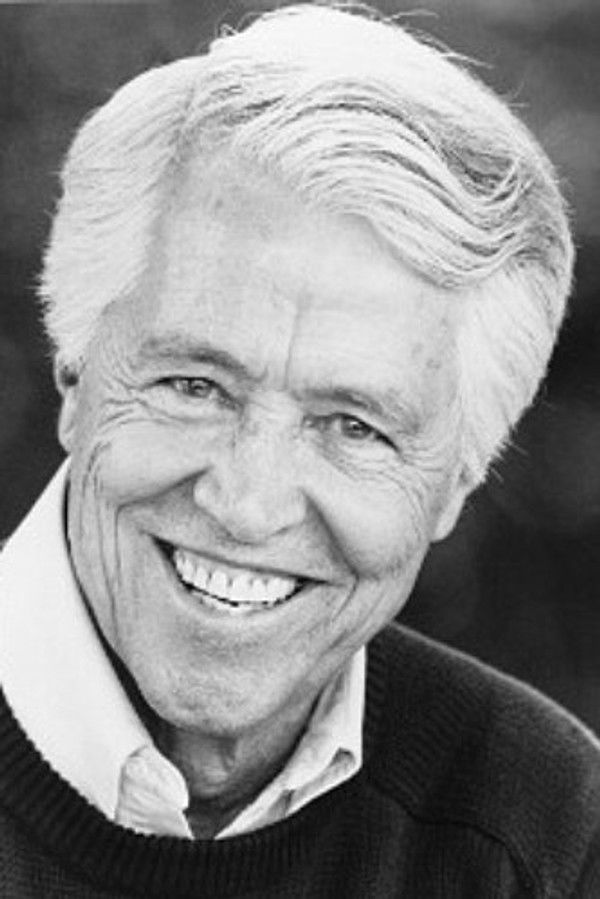
Wright King
District Attorney
Louil Silas
Henry
Omaha reminds us of what it can feel like to look at old family photographs. You sit with the bittersweetness, allowing it to wash over you; not drowning in it, but certainly affected by it.
In the film adaptation, director Jon M. Chu turns each musical number into a massive show stopper, with grand set pieces and a wealth of diverse dancers. Yet, in this attempt to show reverence for the people of the Washington Heights barrio, Chu, or maybe more specifically those in charge of casting, left out a crucial part of the community, Afro-Latinos.
As an extremely avid fan of DC’s animation, I’ve become familiar with the way the studio uses Batman as a bit of a Trojan Horse to introduce some of their lesser known characters.
Korean culture shines in this Canadian export.
Ultimately, Wicked is a story about the cost of being othered, the pain of being misnamed, and the quiet revolution of standing in your truth.
Miles Morales learns to be his own hero as he takes on the well loved mantle of Spider-Man in a multiverse of Spider-People.