
Writing Great Villains: Why They Shouldn't Be Sympathetic
Writing great villains is about striking a balance between charming and evil, so we love them but also love to see them lose.
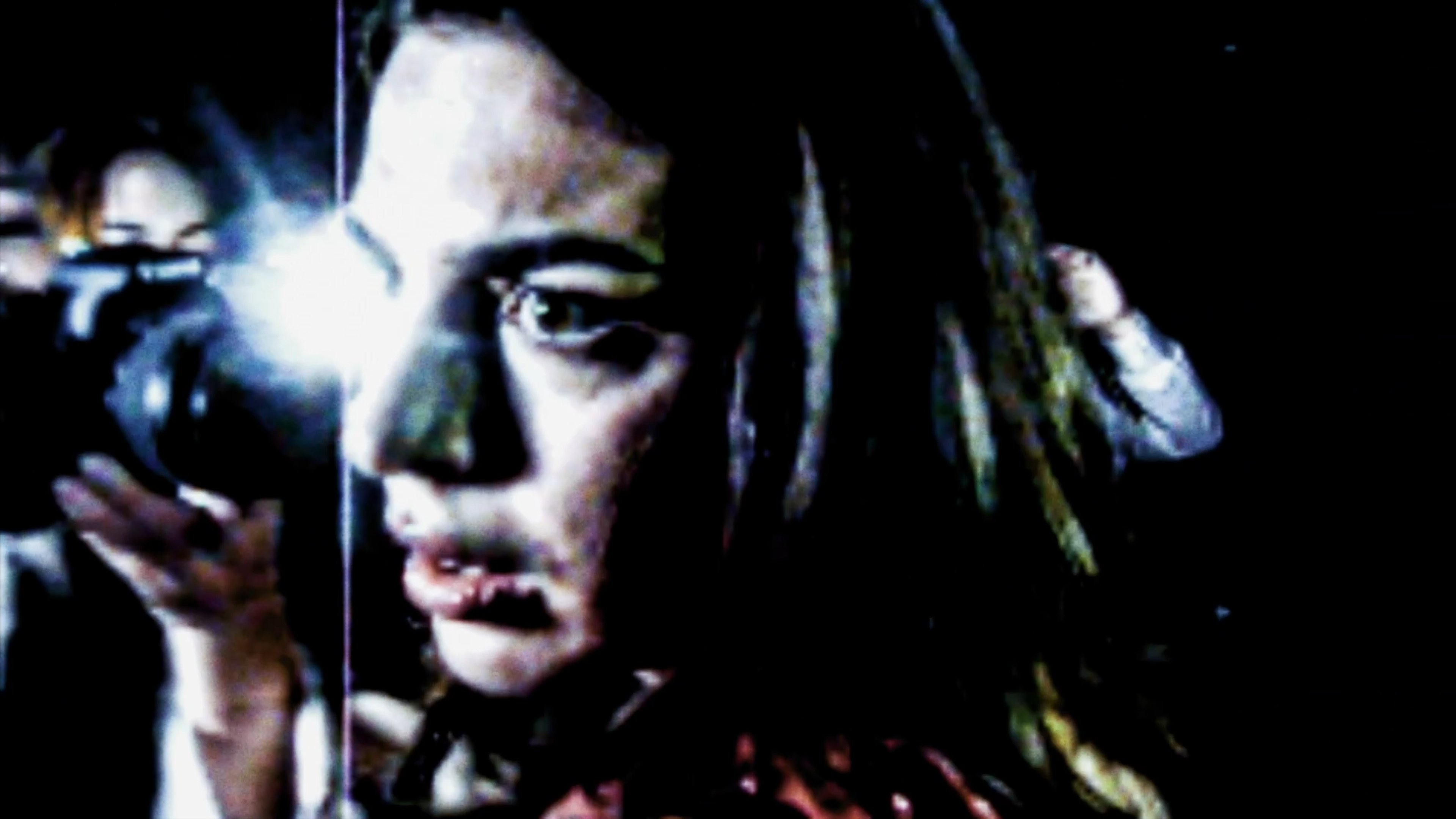


After a period of time where her hearing begins to overtake her sight, Casandra searches for the cause of her problem, isolating herself from society. She starts having visions that remind her of the past and promise an apocalyptic future.
Writing great villains is about striking a balance between charming and evil, so we love them but also love to see them lose.
A lonely little Hawaiian girl and her mischievous blue alien friend form a bond that heals both of their hearts, as well as ours. This live action version adds emotional nuances—notably in the sisters’ dynamic—while preserving the charm of the original.
This 2016 winner of an Ophir Award for Best Film focuses on the forbidden romance of a young, Bedouin woman and the ramifications it has for her family, her identity, and her culture.
This surprisingly clever romantic comedy perfectly balances genuine heart with wild reality television chaos. It is an uplifting and funny reminder that second chances and real community can show up exactly when you stop looking for them.
Apparently, nothing's ever enough. It has its flaws, but does that warrant the amount of criticism 'Barbie' is subject to?
Although Christmas is a time of year for love and cheer for all, holiday cinema has not always represented diverse communities. Being a holiday with Christian origins, much of its media consists of straight white families or straight white romances. Luckily, modern years have been bringing with them plenty of POC and LGBTQ+ representation that the holidays so desperately need.