








Star Wars Episode VIII: The Last Jedi. The Best Post-Disney Star Wars Film
I love The Last Jedi. I don’t think there has been a Star Wars movie in quite some time that brought something new, something fresh to the table.
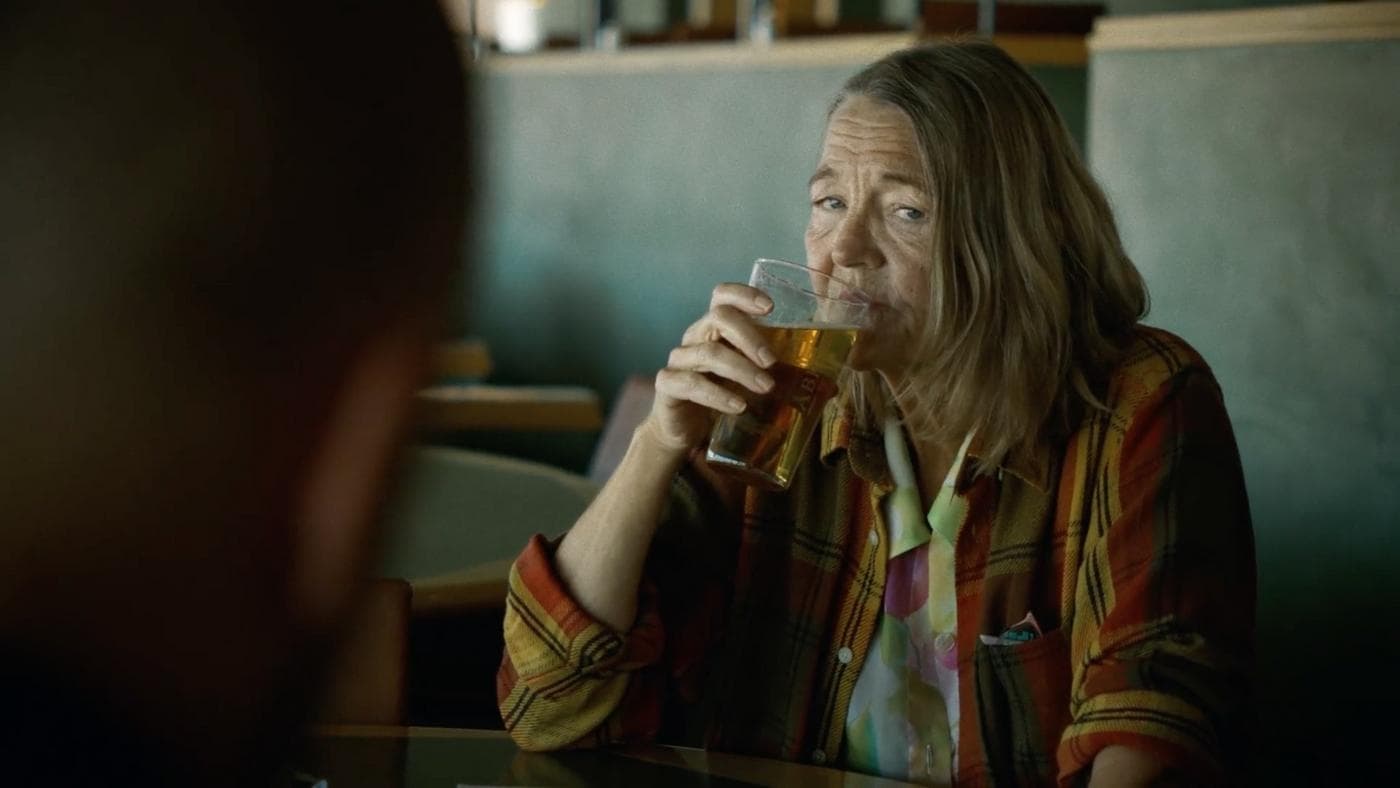
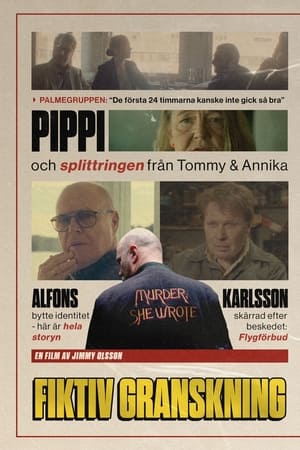


An objective, fictional and completely true account of when the Sockerdricka rush wears off and our most beloved characters have to grow up. We meet a forgotten Pippi Longstocking, the traumatized financial shark Alfie Atkins and a bitter Karlsson-on-the-Roof who has been banned from flying. But what is really left when the spotlights go out and the game is over? Jimmy Olsson, who was once Sweden's foremost investigative journalist, decides to get to the bottom of this central question.
I love The Last Jedi. I don’t think there has been a Star Wars movie in quite some time that brought something new, something fresh to the table.
For anyone who is not a cis white woman, a justice-fueled murderous rampage is not framed as liberation. Instead, they contribute to harsh stereotypes that vilify minority women with dangerous consequences.
The 'Black Adam' story is a blander copy of 'The Mummy', 'Moon Knight', and other Egyptian films made by Hollywood, taking place in the fictional Middle Eastern Kahndaq.
As a horror buff, I was intrigued by people claiming 'The Sadness' was the most disturbing movie they've ever seen or to watch with caution. So, I finally put the internet to the test and watched it for myself... to varying results.
In Spike Lee’s She’s Gotta Have It (1986), we follow the love life of powerful female protagonist Nola Darling (Tracy Camilla Johns) and explore the relationship dynamics she has with her partners. She sees three men simultaneously: Greer Childs, (John Canada Terrell) Mars Blackmon (Spike Lee), and Jamie Overstreet (Tommy Redmond Hicks). Though an 80’s film, She’s Gotta Have It is surprisingly progressive with its themes of female sexuality, although at some points in the film it is handled clumsily. Overall Nola is an incredibly compelling character especially for modern women, as we as a society acknowledge female sensuality more and more without the negative stigma.
This 2016 winner of an Ophir Award for Best Film focuses on the forbidden romance of a young, Bedouin woman and the ramifications it has for her family, her identity, and her culture.