


Incluvie – Better diversity in movies.
Identity in film with Incluvie stamps, scores, reviews.

Incluvie – Better diversity in movies.
Explore identity in film with Incluvie stamps, scores, reviews, and insights.

trailer banner
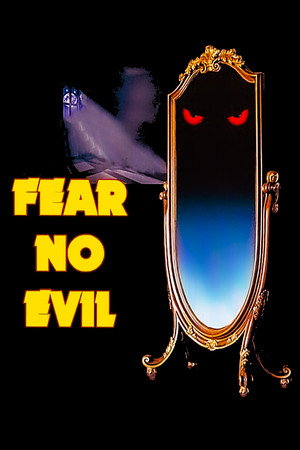
Fear No Evil poster

Fear No Evil (1969)

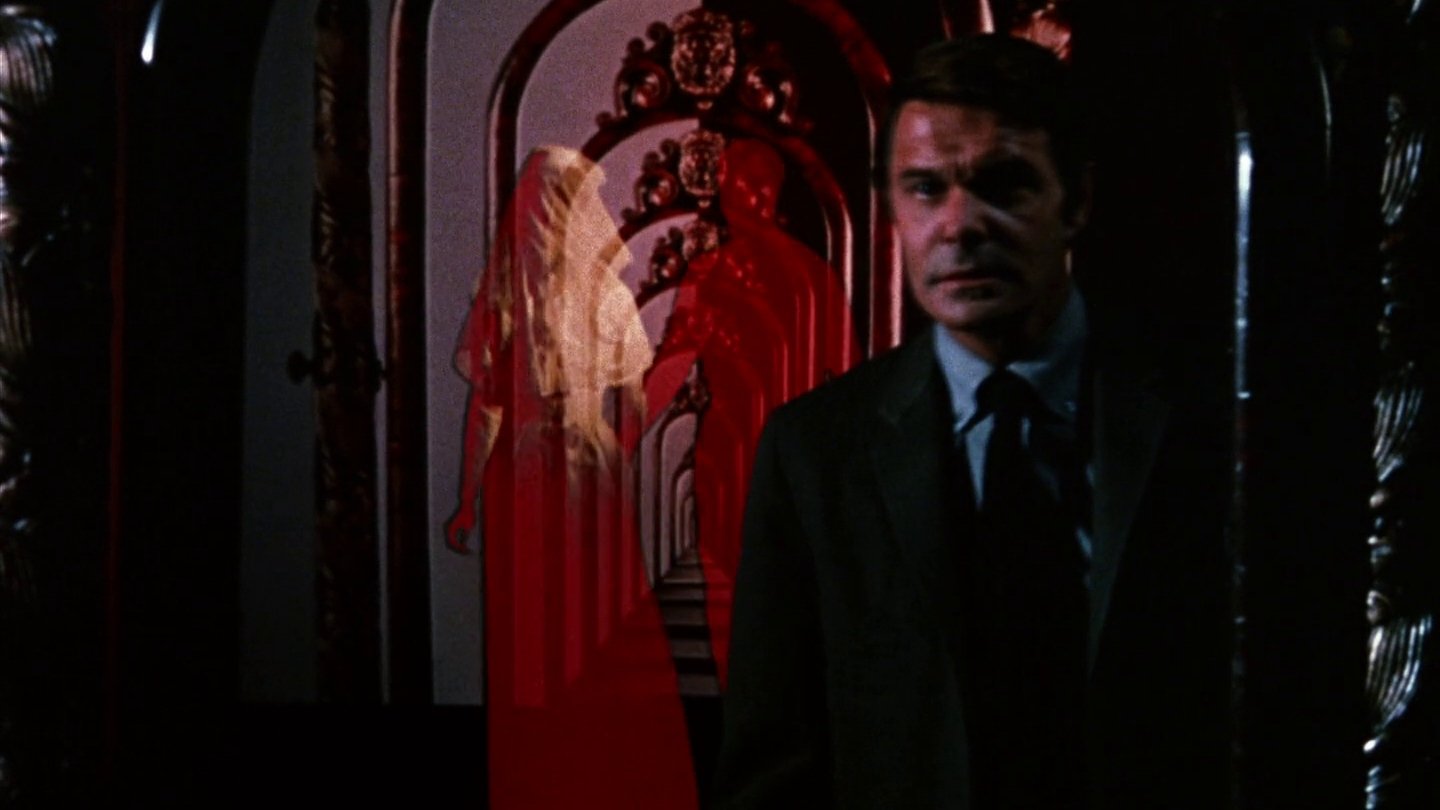
A psychiatrist specializing in the occult becomes involved in the case of a man who is possessed by a spirit in an antique mirror. The man's fiance discovers that the mirror is able to bring back her former boyfriend, who had been killed in a car accident, from the dead.
- / 5
PopScore
Representation

Pictures and Videos


Incluvie Gala

Movie Information


A psychiatrist specializing in the occult becomes involved in the case of a man who is possessed by a spirit in an antique mirror. The man's fiance discovers that the mirror is able to bring back her former boyfriend, who had been killed in a car accident, from the dead.

Rating:NR
Genre:TV Movie, Horror
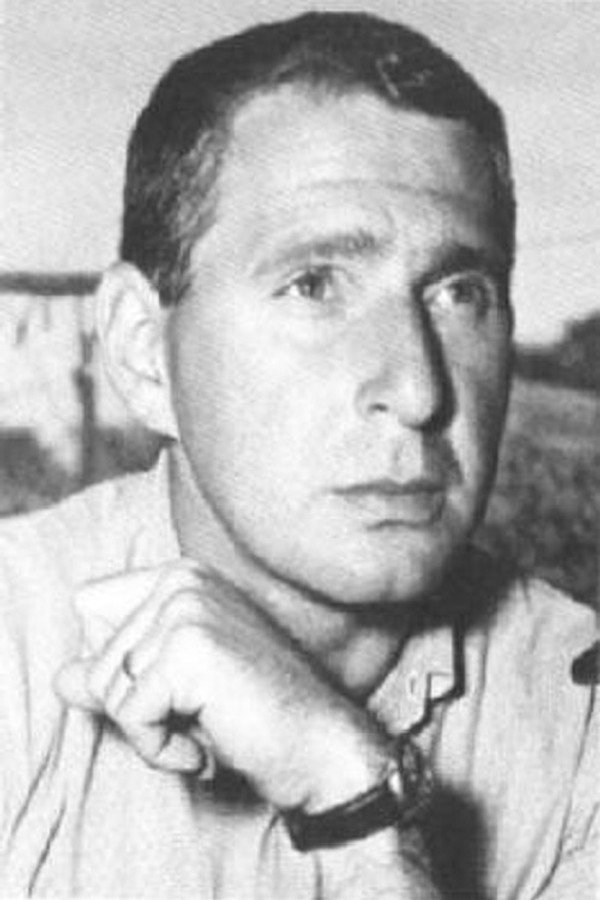
Directed By:Paul Wendkos
Written By:Richard Alan Simmons
In Theaters:3/3/1969
Box Office:

Runtime:98 minutes
Studio:Universal Television

Articles You May Like


It's Theater VS Cancer in "Don't Say Good Luck"

Netflix’s new comedy drama, Don’t Say Good Luck, is a heartwarming tearjerker as well as a love letter to the transformative power of being a theater kid. Directed by Julia Hart, Don’t Say Good Luck follows Sophie (Sunny Sandler), a theater kid who finally gets the lead role in her school’s production of Waitress - just as she finds out her mom Elizabeth (Melanie Lynskey) is dying of cancer. While the singing is by no means spectacular and Sandler’s acting is stiff, the film is grounded in the moving performance of Lynskey as a mother who wants nothing more than for her daughter to achieve her dreams, even if she can’t be there to see them.

Jo Moses

Game of Thrones Retrospective: No One Wants to Sit on the Throne Anymore

It took writers D.B Weiss and David Benioff two years to give us a promising final season. Two. Years. It was just going to be six episodes, which was short considering that all the other seasons — except season 7 — were 10 episodes. 10. 6 wasn’t enough, and even HBO wanted to give the writers more episodes. More seasons, even. However, the writers wanted to get out of the show as quickly as possible to work on other projects. This abruptness is clearly shown in this season.

Incluvie Writer