Incluvie Classics - 'Ganja & Hess'
'Ganja & Hess' is a 1973 experimental horror film, written and directed by the visionary auteur Bill Gunn. It was meant to be a straightforward blaxploitation film – but director Gunn had grander ambitions.
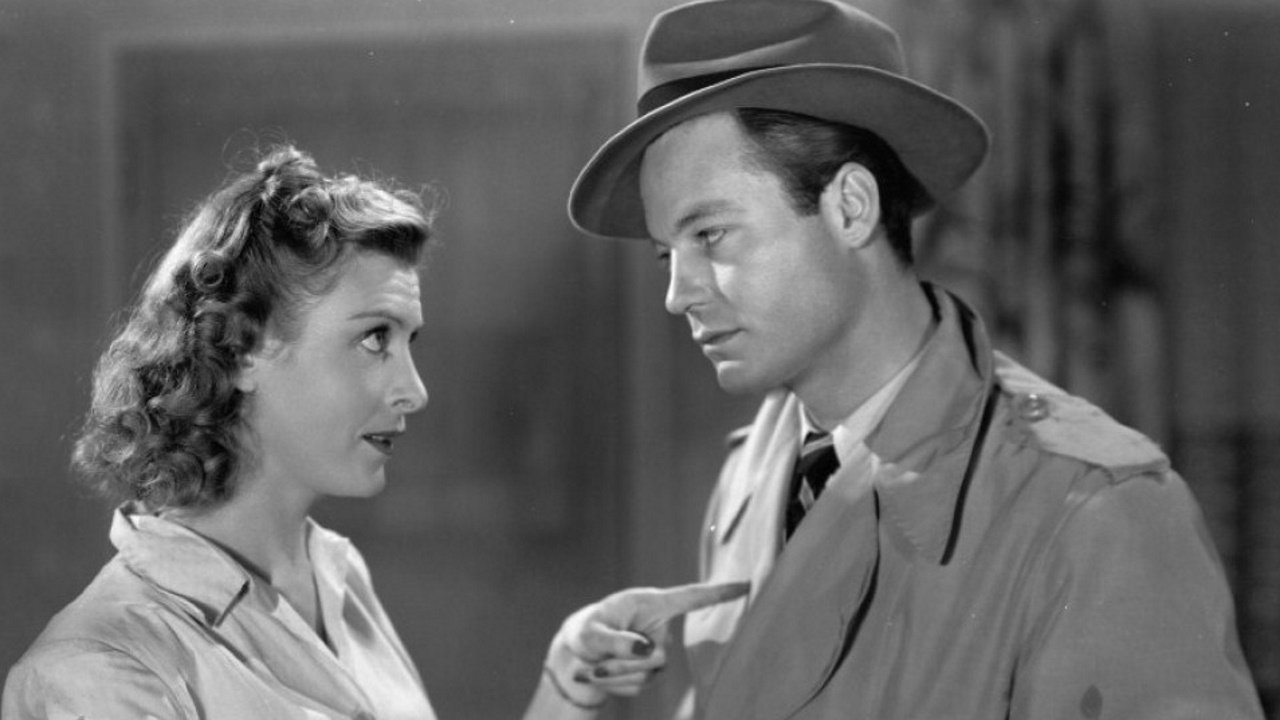
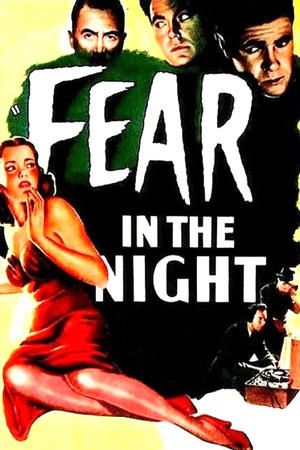


The dream is unusually vivid: Bank employee Vince Grayson finds himself murdering a man in a sinister octagonal-shaped room lined with mirrors while a mysterious woman breaks into a safe. It is so vivid that Vince suspects it may have really happened. To get the dream off his mind, he goes on a picnic with some relatives. When a thunderstorm forces his party into a nearby mansion, Vince discovers that the bizarre room does exist, and it means nothing but trouble.

Maxwell Shane
Director

Paul Kelly
Cliff Herlihy
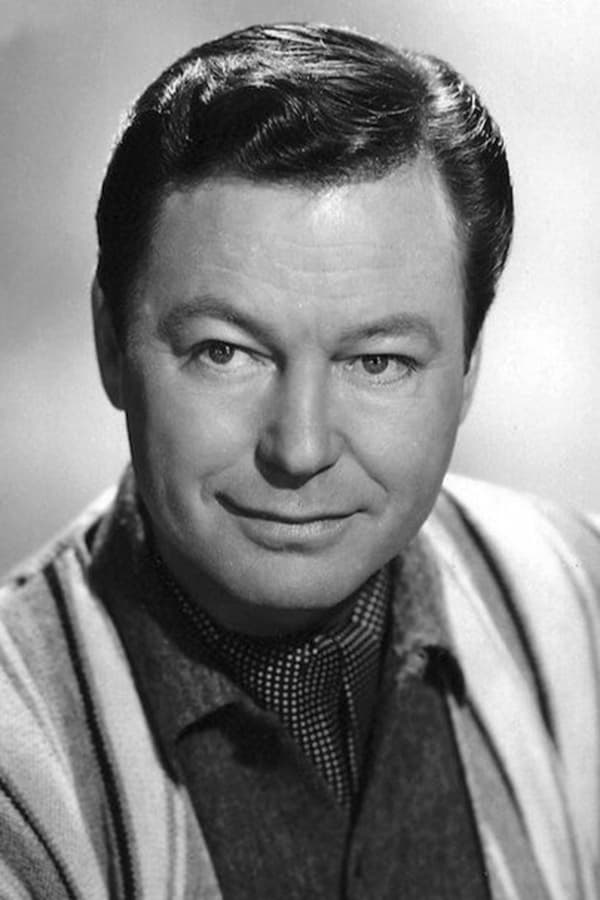
DeForest Kelley
Vince Grayson
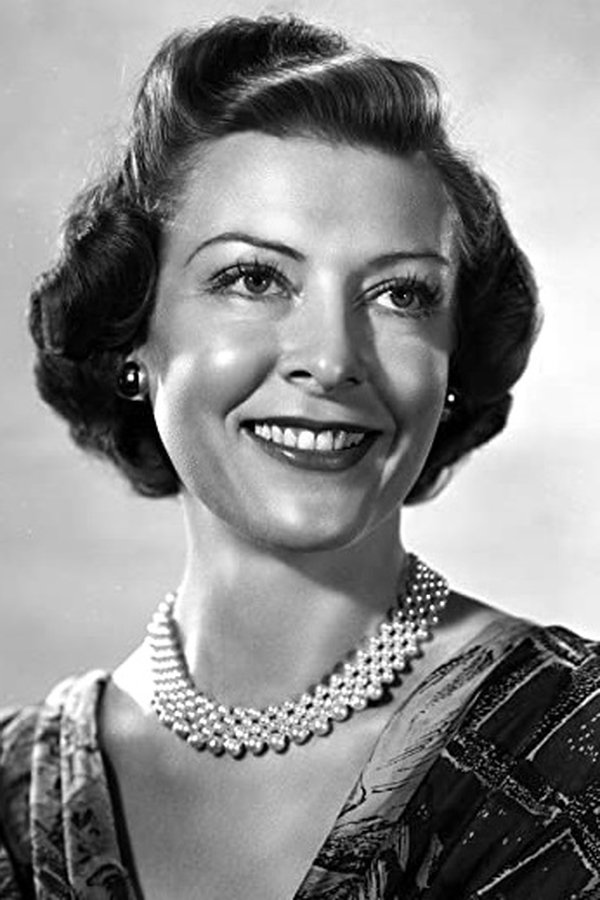
Ann Doran
Lil Herlihy
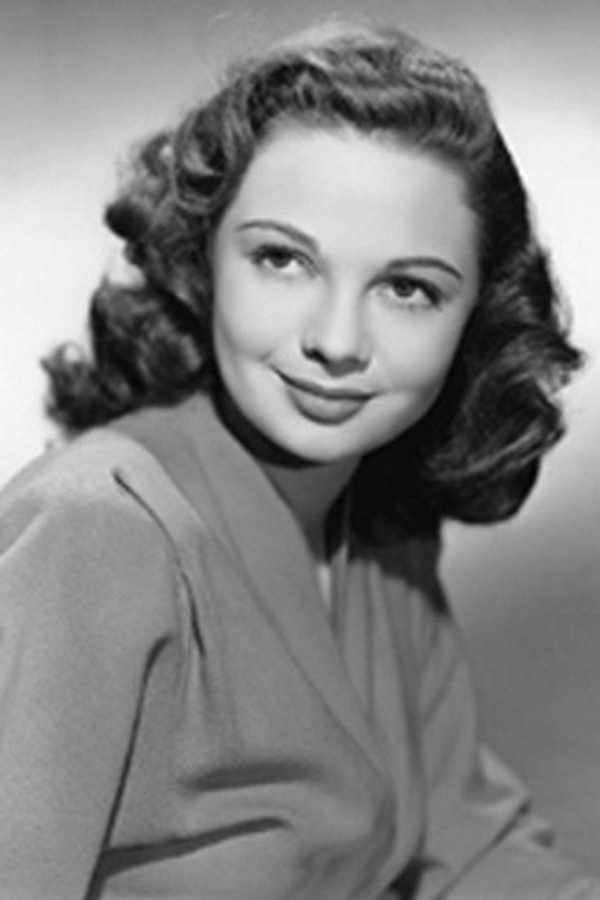
Kay Scott
Betty Winters

Charles Victor
Captain Warner

Robert Emmett Keane
Lewis Belknap, aka Harry Byrd

Jeff York
Deputy Torrence (as Jeff Yorke)
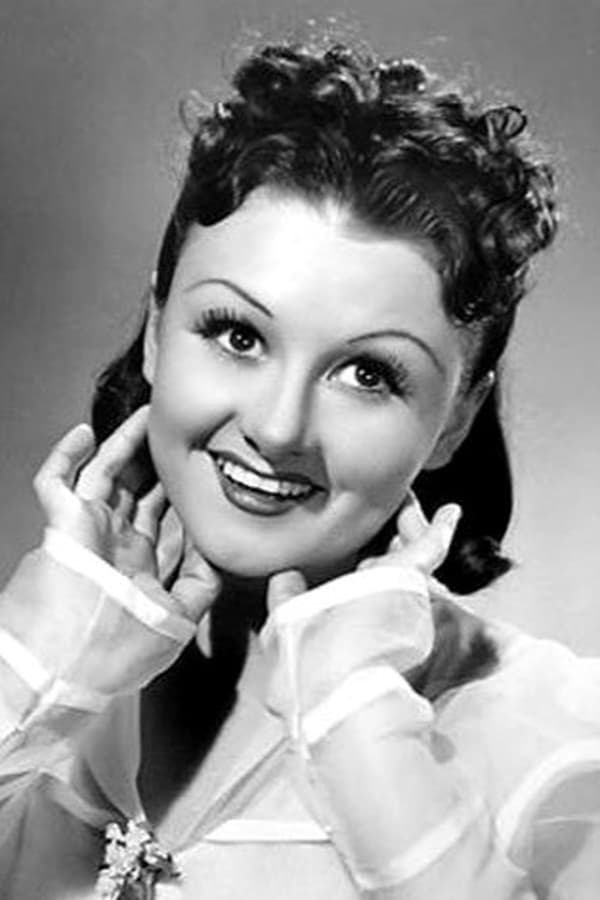
Gladys Blake
Bank Clerk (uncredited)
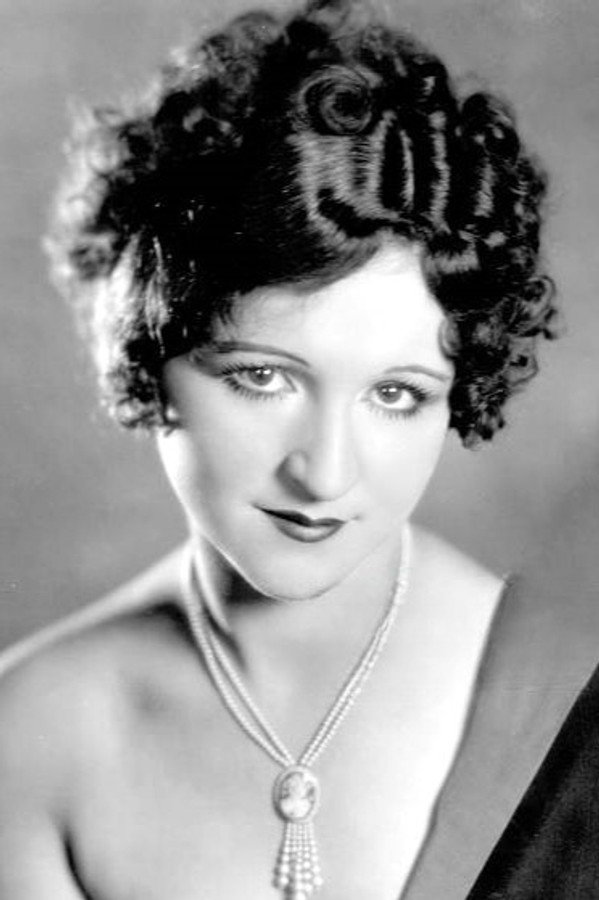
Julia Faye
Rental Home Owner (uncredited)
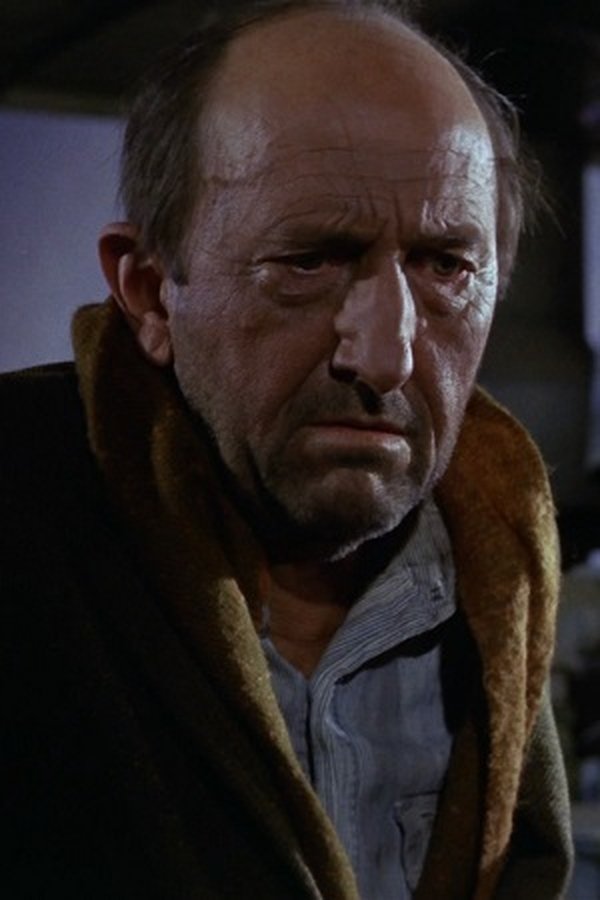
John Harmon
Clyde Bilyou (uncredited)
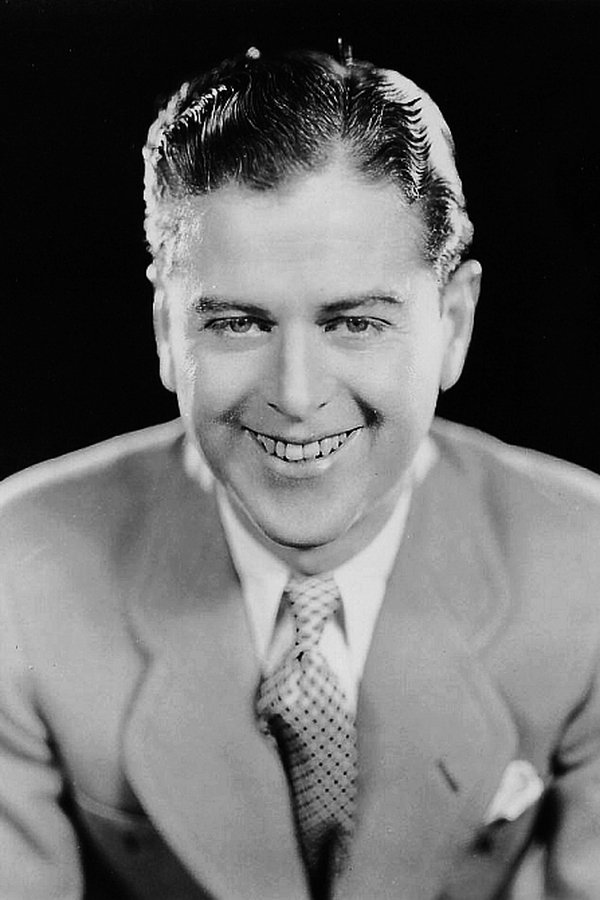
Richard Keene
Mr. Kern (uncredited)
'Ganja & Hess' is a 1973 experimental horror film, written and directed by the visionary auteur Bill Gunn. It was meant to be a straightforward blaxploitation film – but director Gunn had grander ambitions.
The Force Awakens is A New Hope 2.0, in essence. The story structure is virtually unchanged, marking a safe opening to the new trilogy.
Disney has cleverly managed to dance around the misdeeds of their past by scraping by with an insincere action that does very little to incite any long-lasting positive changes.
Netflix’s recent Millie Bobby Brown vehicle, Enola Holmes 3, is a disappointing and confusing entry in the stellar Enola Holmes franchise. Directed by Philip Barantini, the film stars Brown as Enola Holmes, estranged sister of Sherlock Holmes, Henry Cavill as Sherlock Holmes, and Louis Partridge as her love interest, Viscount Tewkesbury. While it deserves credit for its exciting action scenes and attempts to expand the diversity of its Dickensian setting, the most recent entry in the series completely scuttles Enola’s underdog status from the first films that made her so charming and gave a touch of realism to the story of a young, unmarried woman living in London while self-employed as a detective.
Throughout Brendan Fraser’s career, he has played a plethora of unique, layered characters who explore the importance of not being afraid to display your emotions, something that is often seen to not be a masculine trait. This idea of regulating emotion and what traits men are able to possess creates a toxic atmosphere for men who are often told they should not cry or represent their emotions in any physical way. These characters represent that men can be joyful, emotionally conscious, and sensitive, while also representing their masculine identity instead of painting those qualities as fighting against their masculinity.