
'Meshes of the Afternoon' Enters the Realm of Sci-Fi
Many have interpreted Maya Deren’s Meshes of the Afternoon as a dream sequence, but what if the repetitive scenes we are given are not dreams but, a time loop.
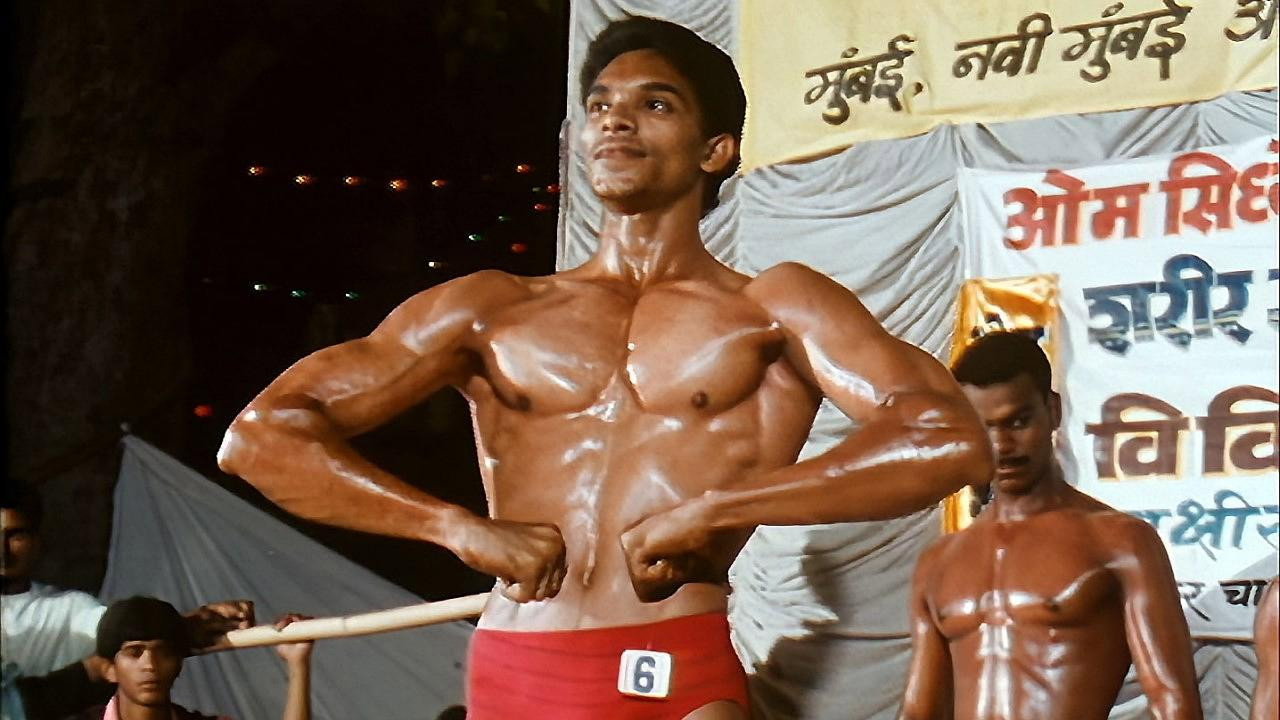
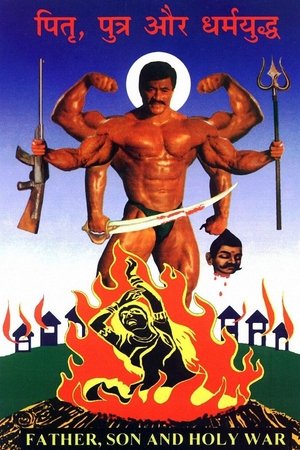


Filmmaker Anand Patwardhan looks to history and psychology as he delves into the possible reasons behind the demolition of the Babri Mosque.
Many have interpreted Maya Deren’s Meshes of the Afternoon as a dream sequence, but what if the repetitive scenes we are given are not dreams but, a time loop.
When long-time couple Jenny and Nate break up so Jenny can pursue her journalism career, Jenny leans on her two best friends for one last epic night in the city.
The social issues The Half of it takes on are handled well, between the antagonization brought on to Ellie for her race and the conflict that arises from her being gay. Both aspects of her character are built up over the course of the film and don’t seem abrupt or rushed. The film shows racism towards Ellie and her and father in varying levels, from having her schoolmates specifically address her as "Chinese girl” to the fore mentioned way her Dad is treated due to language barriers. The same can be said about Ellie being a lesbian. While she never truly “comes out” in the narrative, that does not undermine her journey of self-discovery from being meaningful. These ideas aren’t thrust upon the viewer in a preachy manor, the scenarios that occur feel believable given the rural setting. The film presents watchers with problems whom those like Ellie may face, and leaves us to sit with them and reflect.
Despite everything it was capable of, all of these poor choices strung together amount to nothing more than a counter-productive film.
"Thunder Road" presents the grief that comes from a family member taking their own life.