Halloween Flicks Pt. 2
Four more classic horror films that are entertaining even if occasionally absurd.



Spoiler Warning and Trigger Warning for Sexual Violence Ahead
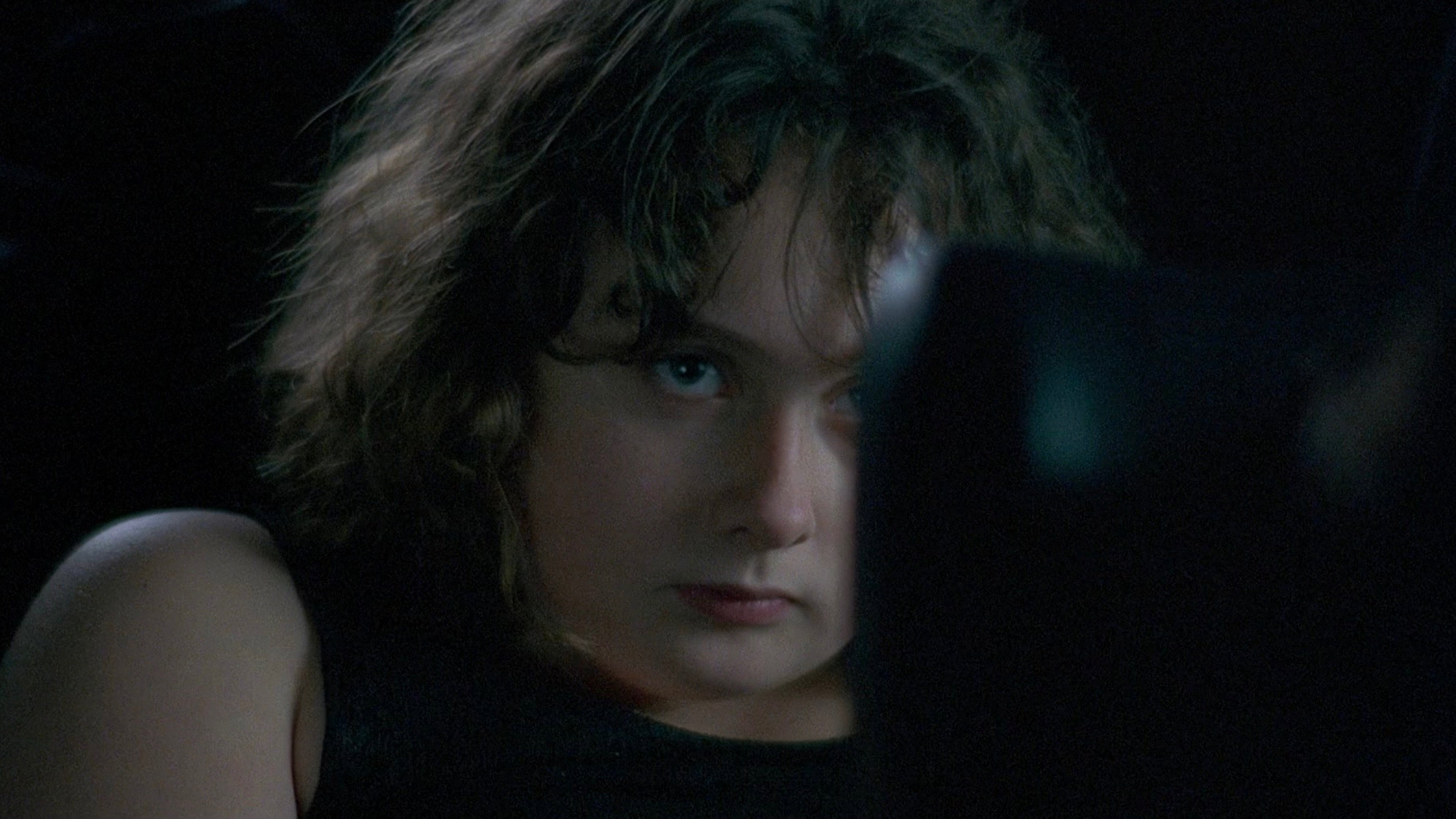
Fat Girl (À Ma Soeur, or To My Sister in its original French title)is a 2001 film directed by Catherine Breillat, a woman known for often-controversial films that usually revolve around themes of sex and identity. The movie follows Anaïs(Anaïs Reboux) an overweight 12 year old, and Elena(Roxane Mesquida), her thin, conventionally beautiful 15 year old sister as they undergo a journey of sexual awakening and coming of age on a family vacation. Though an uncomfortable topic, specifically when dealing with characters so young, Breillat directs Fat Girl with a deft, precise hand, never allowing the film to drift into the territory of exploitative or glamorized. As beautiful to watch as it is difficult, Fat Girl is a compelling story of sisterhood, sexuality, and violence that often results from society’s expectations for women.
Fat Girl is a film that’s difficult to take in all at once. After the first viewing, many people may write off the story as self-indulgent and pointless—Breillat is known for her other films such as Romance and Anatomy of Hell, which both explore sexuality and the thin line between sex and violence. It’s easy to go into Fat Girlexpecting it to be the same as her other works. But Breillat does something different with Fat Girl—she takes these elements of sexual identity that are seen in her other films, and frames it through the perspective of young girls, who are being taught that the desires of men are more important and valued than their own desires will ever be.
Anaïs and Elena have deeply skewed ideas of what healthy sexuality looks like. This can be seen as soon as the film begins, as the sisters discuss losing their virginities and what they hope it will be like. Both of them are living in an idealized fantasy, and neither realize the more troubling aspects of coming into your sexuality at such a young age. Throughout the film, they are both taken advantage of—sometimes violently—but both of them have been taught that this is okay and natural.
Elena, who begins seeing an Italian college student named Fernando(Libero De Rienzo), is completely love-struck—so much so that she doesn’t realize that Fernando doesn’t care about her comfort level or what she wants, but is rather using her as a means to pleasure himself and rid of her when it’s all said and done. Both of the girls are young, too young to understand sex and the way society views it as being about the pleasure of men.
In one scene of the film, Anaïs floats around in the swimming pool, going back and forth between the deck post and the ladder bars, pretending each are different lovers she has and is stuck between. This scene, though it can be read as comical and as the wishful fantasies of a young girl who doesn’t know anything about sex, displays Anaïs’s little knowledge of relationships and what a healthy one should look like. She is under the belief that being desired sexually is everything that she should want, and that it determines her worth within society and to herself. This belief is never clearer than it is at the end of the film, which is sudden, shocking, and absolutely brutal to watch. Anaïs has fallen into the trap of society, which tells women that their worth should be determined by how pleasing they are to men—even when this turns into mistreatment and violence.

Anaïs is twelve and bears the weight of the world on her shoulders. She watches her older sister, Elena, whom she both loves and hates. Elena is fifteen and devilishly beautiful. Neither more futile, nor more stupid than her younger sister, she cannot understand that she is merely an object of desire. And, as such, she can only be taken. Or had. Indeed, this is the subject: a girl's loss of virginity. And, that summer, it opens a door to tragedy.

Catherine Breillat
Director


Anaïs Reboux
Anaïs Pingot

Roxane Mesquida
Elena Pingot

Libero De Rienzo
Fernando

Arsinée Khanjian
Mother

Romain Goupil
Francois
Laura Betti
Fernando's Mother

Albert Goldberg
Killer
Odette Barrière
Friend at Residence
Ann Matthijsse
Friend at Residence

Pierre Renverseau
Friend at Residence
Jean-Marc Boulanger
Friend at Residence
Four more classic horror films that are entertaining even if occasionally absurd.
An Indonesian film that brings strong representation of Asian descent in this heart-warming tale of a woman and her dog.
Ant-Man is a 2015 live action film based on the Marvel Comics characters of the same comics series, including Scott Lang and Hank Pym, along with others.
I am shocked and upset to report that the movie about a female car mechanic who meets the love of her life online featuring Katy O’Brien does not, in fact, have a lesbian storyline.
Everyone needs a BFF and a "wing person" like Yumi (Chloris Li). Li brings the "straight person" persona, literally and figuratively balancing James Aaron Oh's perfectly timed comedic delivery as the unlucky-in-love.
“There’s always something you can do…to make people feel like they’re welcome”