







Time Passing in "Hog Heaven: The Pigz Brotherz Story"
This indie short documentary archived the story of a staple rock band as well as an essential part of local history.
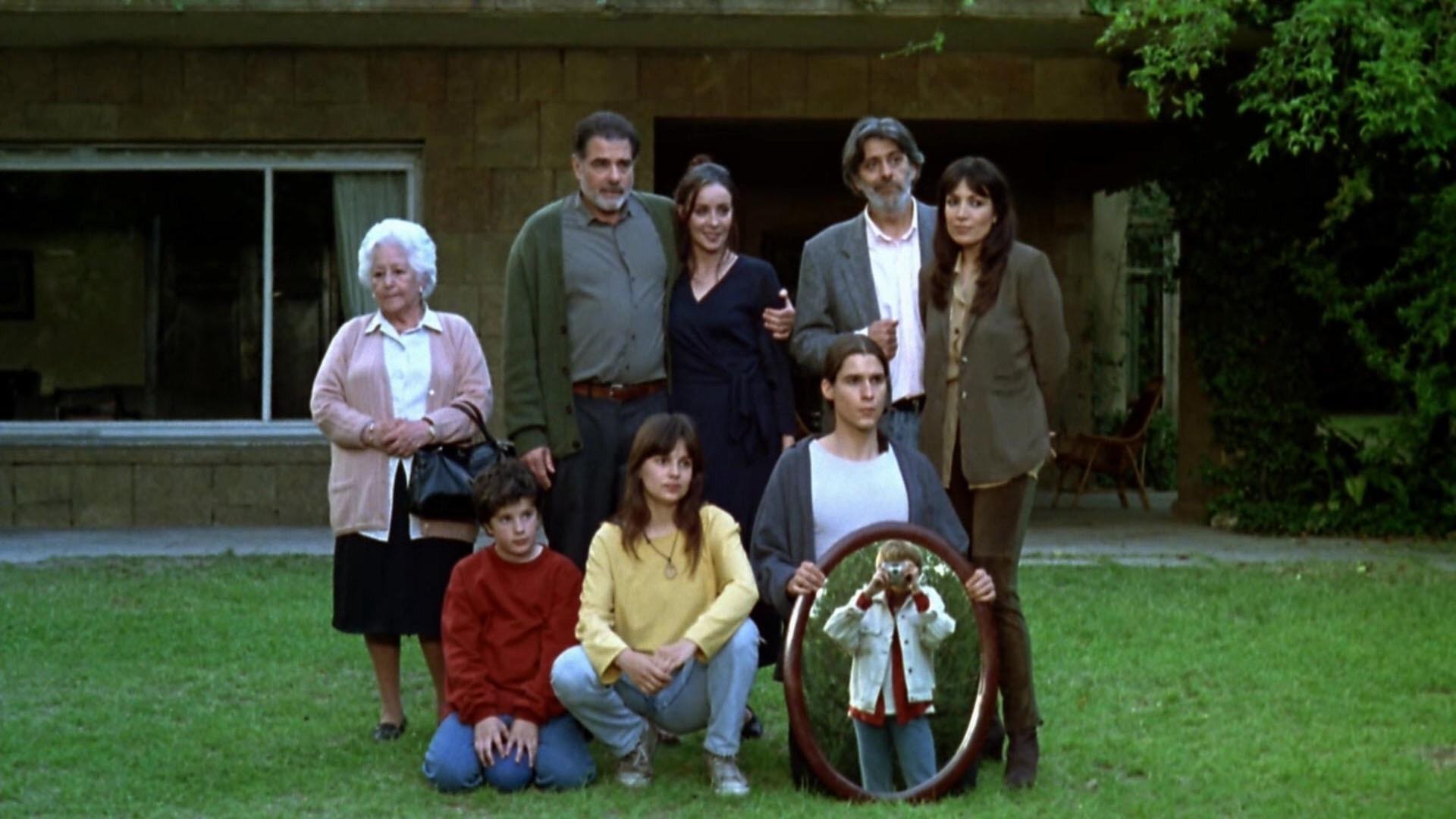
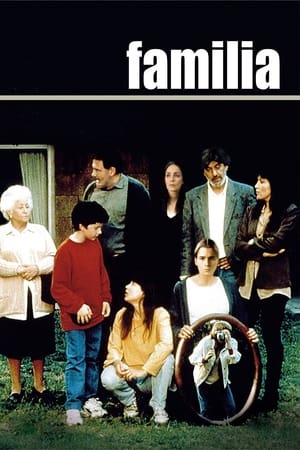


Santiago wakes up like any other morning. He goes down to the kitchen and his whole family is waiting for him: it's his birthday. They all sing "Happy Birthday to You" and give him presents. But when he opens the present of his youngest son, he gets angry and says he doesn't like it. The boy starts crying and saying that he loves him, but Santiago answers that he doesn't believe him and he tells the boy that he is fired and that he wants another son, who is thinner, who doesn't need glasses and who resembles him more. Written by Pablo Montoya
This indie short documentary archived the story of a staple rock band as well as an essential part of local history.
Movies also have the ability to make the audience think deeper about an issue that plagues society. "Blindspotting" does that without shying away from the intense reality of police brutality and racial discrimination.
Films and TV series often tend to misrepresent or not acknowledge bisexual characters, but recent trends show that bi-erasure is now under deserved scrutiny. So, I’m genuinely happy about the direction bi-representation seems to be taking.
'Don't Lose Your Head' follows the motto of "grades aren't everything."
The movie behind the space toy from the 'Toy Story' film series is finally here.
‘Better Than Chocolate’ isn’t perfect, but it sure has charm! The characters are great. Some took longer to grow on me than others, but ultimately they’re all compelling! I appreciate how a select few help those around them to grow.