
Is 'Queen Christina' a Queer Film?
Greta Garbo, a queer actress playing a real-life queer Queen is the best of both worlds.
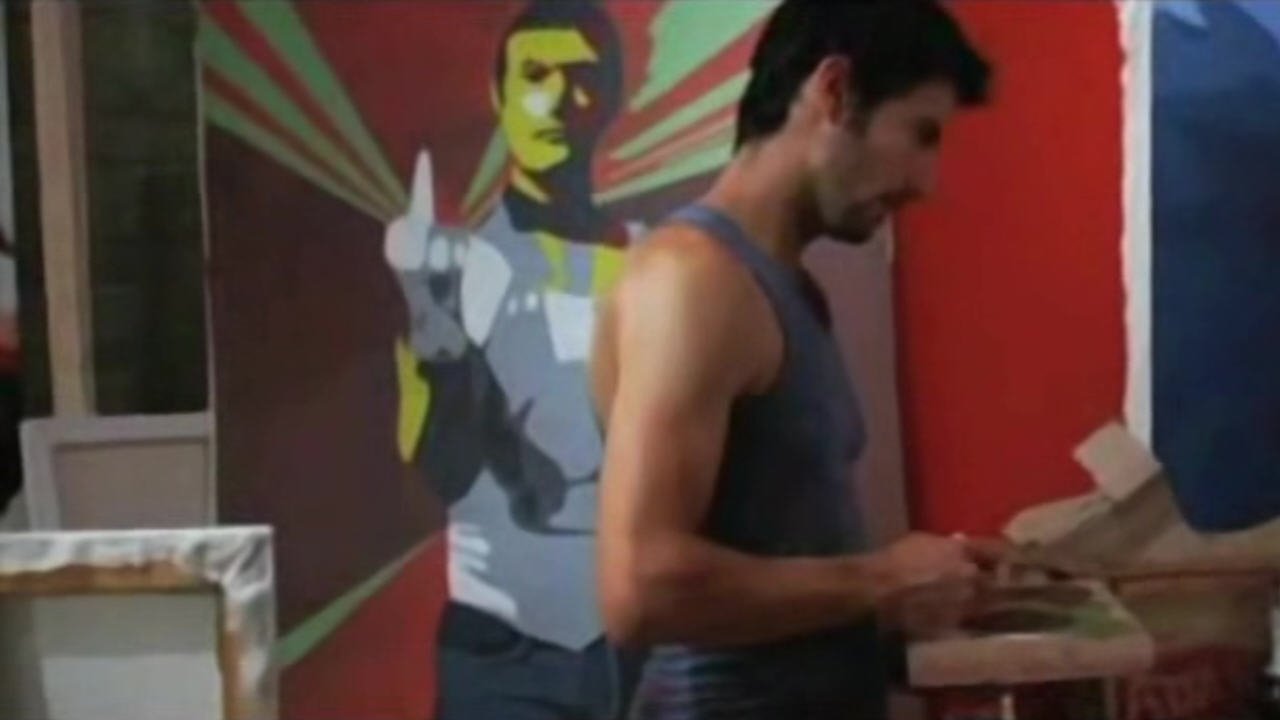



Roger Mivic, a struggling gay artist, is about to open his first one-man show at local gallery and is struggling to complete several large canvases for the opening. His work is full of anger and rage. Societies intolerance has left its mark on Roger. He has, himself, been a victim of bashing, as have several friends. Because of experiences in his later teens, he has become obsessed with the violence rained down upon gay men and the lack of concern society has shown. This obsession boils out in his art that is full of violence and rage. Such canvases fill his loft: the exception being a single romantic painting.
Greta Garbo, a queer actress playing a real-life queer Queen is the best of both worlds.
Taylor Swift dazzles many fans with remixes of her country and pop singles in her Reputation Stadium concert tour, becoming a successful concert film.
Turning Red' has received hate for being 'unrelatable' while dealing with one of the most human experiences. Despite the Turning Red controversy that it's unrelatable, it is yet another Pixar classic that will inevitably stand the test of time.
Growing up without a dad, I got a lot of my fatherly advice from the prototypes I saw on the silver screen. It’s these characters and films that gave me a glimpse into a dynamic I had never known but also made me realize that I was missing out. Here are my top 10 paternal films.
Audition should be on everyone's list of Greatest Horror Film. So I urge you to give it a watch. Maybe watch the last twenty minutes with your hands in front of your eyes.
James Cameron’s “Aliens” (1986) is a pinnacle of science fiction storytelling. Within this classic monster movie lies a powerful female character, Ellen Ripley (brilliantly portrayed by Sigourney Weaver).