Growing Fangs: How "Ginger Snaps" Ties Puberty to Werewolves
John Fawcett’s "Ginger Snaps" intertwines the lore of the werewolf to the hellish experience of a young girl going through puberty.
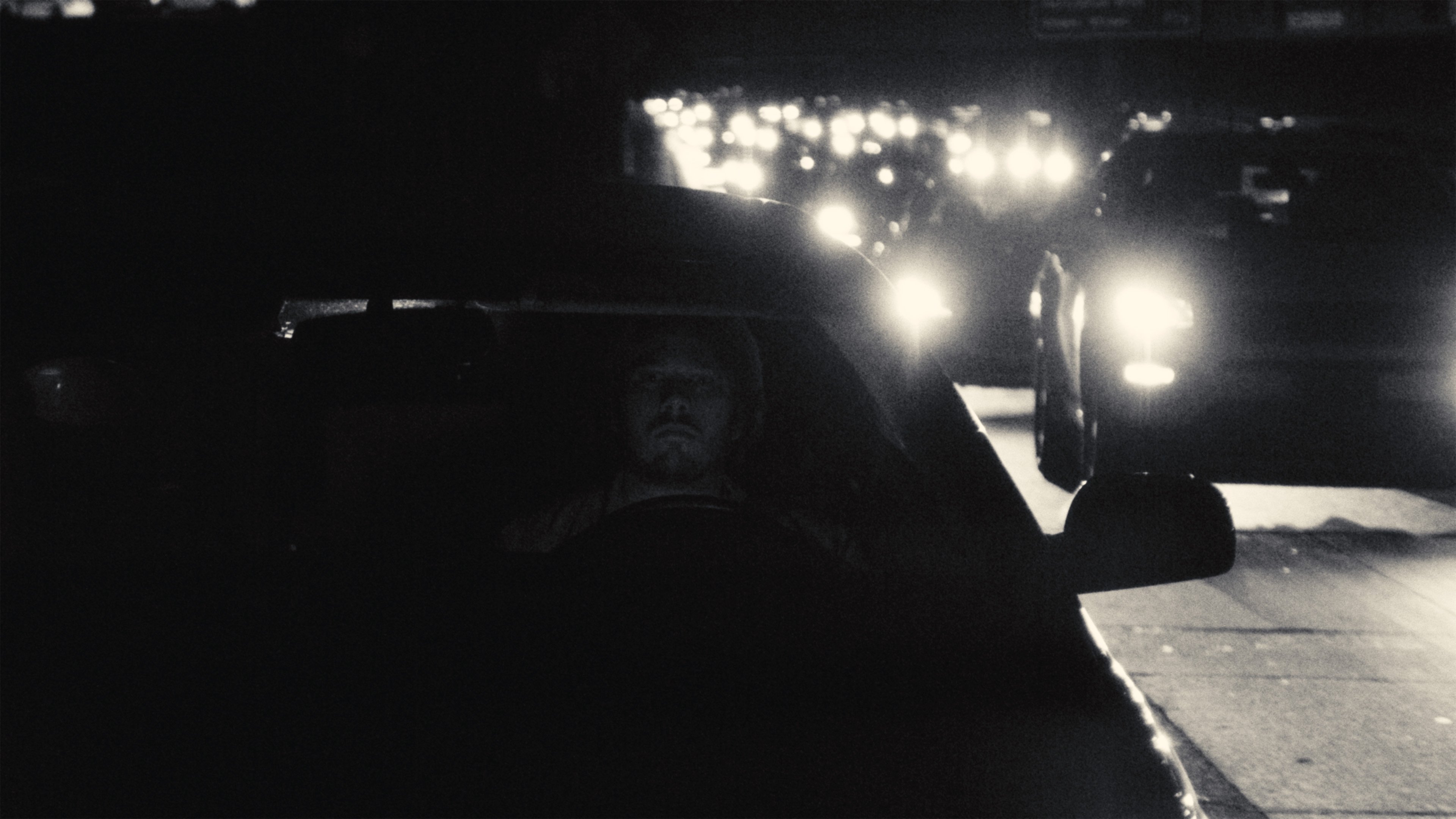


After a near car crash, a tired drifter begins looking for a place to get some shuteye, but every hotel is booked, overnight parking is restricted, and people just keep telling him he needs to move his car.

Parker Salenfriend
Director
Jayden Maree
Commuter
Victor Yuan
Drunk
Santeon Brown
Woman On The Phone
Ryan Harrison
Security Guard
Gabe Vachon
Old Man
Ernie Rosales
Mugging Victim
Timothy Thatcher
Angry Man
Cristian Saldivar
Parking Lot Attendant
Emanuel Pangilinan-Lane
Motel Employee #1
Sadie Jeanne
Motel Employee #3
Marcelina Stardust
Hotel Attendant
John Fawcett’s "Ginger Snaps" intertwines the lore of the werewolf to the hellish experience of a young girl going through puberty.
These confines won’t really encourage you to read the film as a metaphor for the nerve-inducing experience we’ve all been through over the last year, however — and in the interest of maintaining your dignity, you probably shouldn’t. While the sociopolitical commentary may have worked for the similarly-themed Buried (2010), in which we find Ryan Reynolds on his own buried alive in the Middle East, but this futuristic take on the premise is best left as a piece of distracting entertainment. Nevertheless, the atmosphere is no less suffocating, literally and dramatically.
Through three intricately crafted seasons of television, "Hannibal" has managed to make itself into the best incarnation of the self-titled work.
The movie opens with an empty house, cameras pan around from the perspective of what viewers are confused about at first, but turns out to be a spirit living in the home.
Taika Waititi and the cast of Thor: Love and Thunder have been hyping up the gayness of this movie, and while there are queer characters, it's not quite the representation we were hoping for.
This is not a film, it’s a drop tower. A drop tower that you don’t get off of for the vast majority of its 106-minute runtime.