








Dune (2021): An Islam-Inspired Theme With Powerful Aesthetics, but Reminiscent of Lynch
Villeneuve’s Dune is a masterpiece for its crafting process, but references to David Lynch's picture are sometimes too obvious.
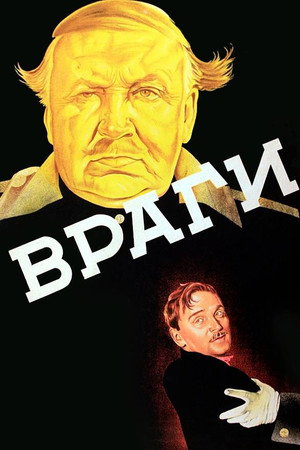


The eve of the 1905 Russian revolution was unquiet at the Skrobotova and Bardin factory. In response to the fair demand of the workers to dismiss the cruel and rude master, the masters close the factory and call in the troops. They shoot of one of the workers, who failed to restrain a rush of hatred towards the owners, ending Skrobotov's life. Gendarmes arrive at the factory. They succeed in uncovering the social democratic organization in the factory. The arrested workers oppose hysterical cruelty of gendarmes with calm, confident courage.
Villeneuve’s Dune is a masterpiece for its crafting process, but references to David Lynch's picture are sometimes too obvious.
What starts off as a success story for a single mother living below the poverty line, slowly begins to weave itself into a tangled web of greed, guilt, and destruction.
To say Hollywood has had a troubled past is the understatement of the century. In Ryan Murphy’s (American Horror Story) new Netflix series, Hollywood, that past is confronted and even rewritten.
If you identify as part of the queer community, or if you love old school slasher flicks, you will love this movie.
Haven't you heard? There's a new horror subgenre: cerebral gore, that's probably been around for decades and we're now just starting to talk about it.
This is not a story of oppression but a story of liberation.