Olivia Rodrigo's Music Videos Referencing Women-Led Horror Movies
In honor of AANHPI Month, let's celebrate Filipina-American pop star Olivia Rodrigo and her love of horror movies.
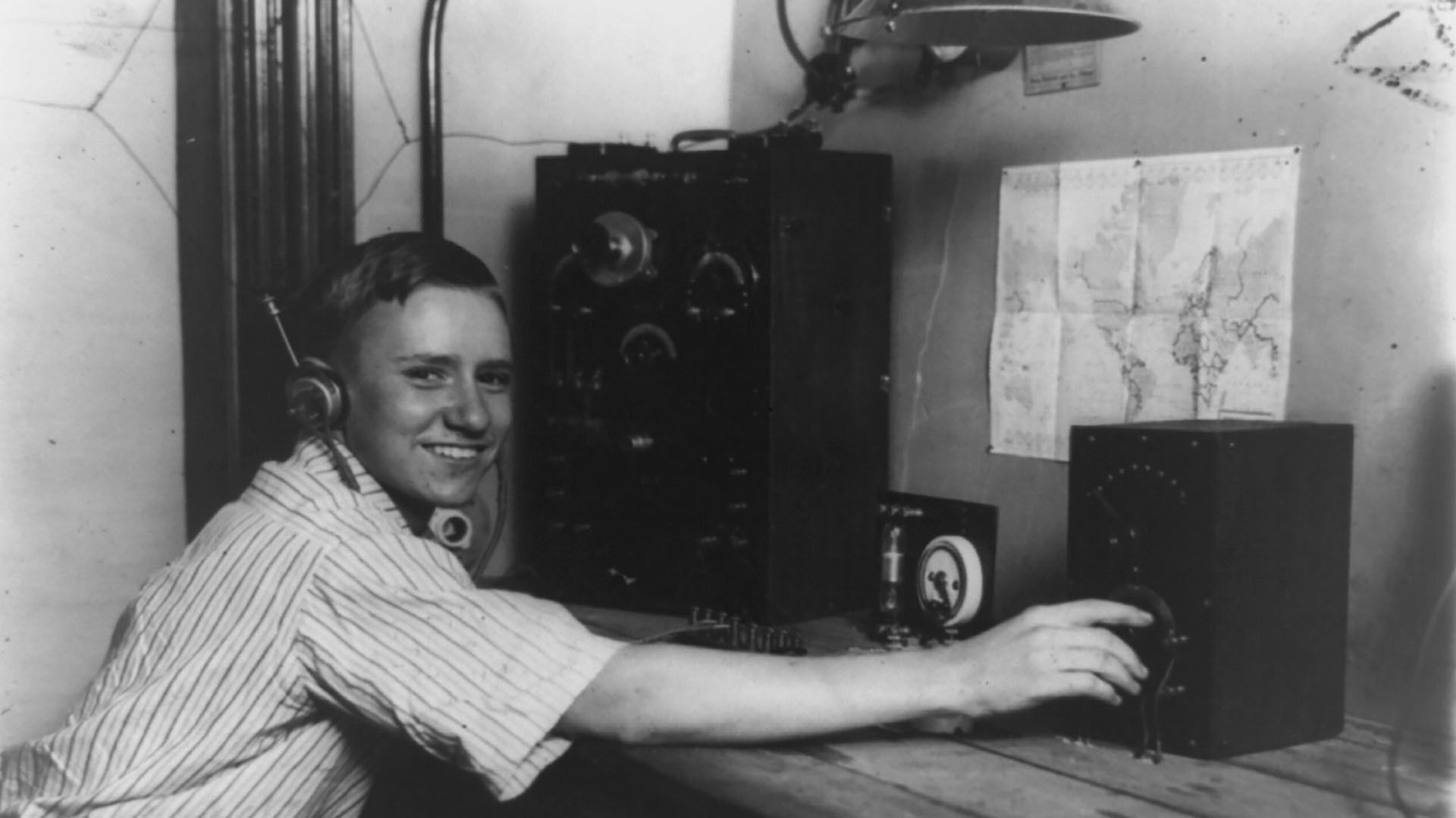
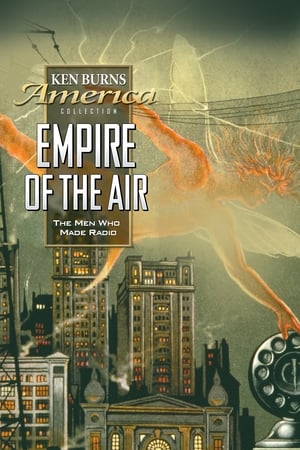


For 50 years radio dominated the airwaves and the American consciousness as the first “mass medium.” In Empire of the Air: The Men Who Made Radio, Ken Burns examines the lives of three extraordinary men who shared the primary responsibility for this invention and its early success, and whose genius, friendship, rivalry and enmity interacted in tragic ways. This is the story of Lee de Forest, a clergyman’s flamboyant son, who invented the audion tube; Edwin Howard Armstrong, a brilliant, withdrawn inventor who pioneered FM technology; and David Sarnoff, a hard-driving Russian immigrant who created the most powerful communications company on earth.
Ken Burns
Director

Jason Robards
Narrator (voice)
Red Barber
Self - Radio Announcer
Erik Barnouw
Self - Historian
Ken Bilby
Self - Biographer of David Sarnoff
Norman Corwin
Self - Writer

Susan Douglas
Self - Historian
Frank Günther
Self - Engineer
Jeanne Hammond
Self - Niece of Edwin H. Armstrong
Loren Jones
Self - Engineer
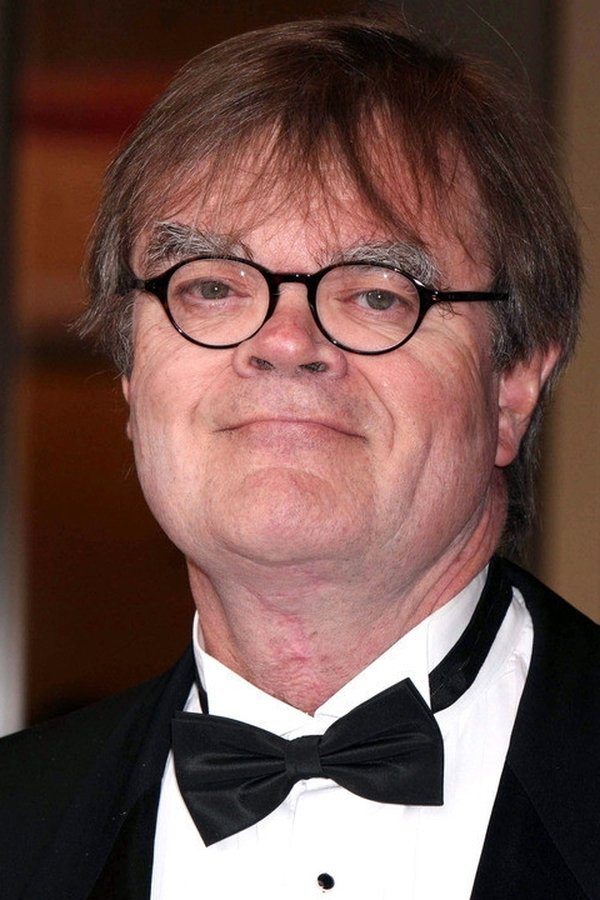
Garrison Keillor
Self - Writer
Helen Kelley
Self - Radio Broadcaster
In honor of AANHPI Month, let's celebrate Filipina-American pop star Olivia Rodrigo and her love of horror movies.
“The most disrespected person in America is the Black Woman/the most unprotected person in America is the Black Woman,” Director Spivey Jr quotes. The quotes are absolutely true. Misogynoir is a devastating social ill that is not given the weight it is due.
This horror movie combines elements of horror and babysitting with Black representation.
Vicenza, a Brazilian girl, goes on a quest by herself to find out who her birth father is by gathering clues.
The May Incluvie Movie Highlights features 3 fantastic coming-of-age films. We explore butterfly-inducing Sneakerella and Crush, and the sadly timely feature - The Fallout, about the after-effects of a school shooting.
We have a long way to go with LGBT representation in film, especially when it comes to LGBT characters of color and trans characters.