






'Dune' Disappoints
Dune has stunning visuals, a striking soundtrack, and great performances. But it has issues everywhere from its pacing, to its story, to its diverse representation.
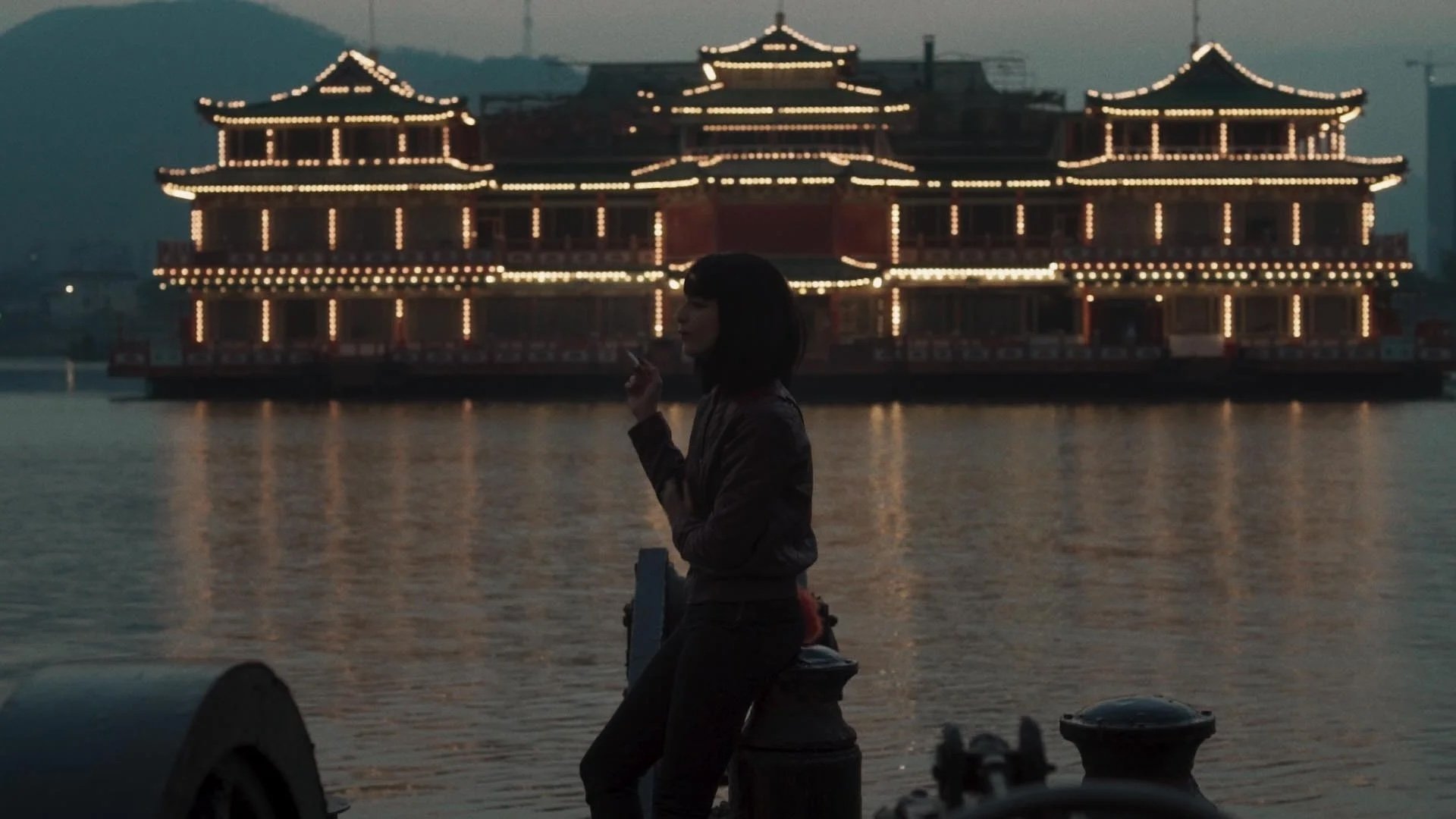



The Empire Hotel is a 30-year-old landmark in Macau's old quarter, inhabited by characters with their own stories and struggles. It is also Maria's home. One day, the burden of keeping lives together and the hotel standing falls on her shoulders. A young man who left Macau two decades ago returns, intent on revenge and reclaiming his mother's fortune – half the hotel. Inside the casino, Maria sings Fado and exotic dancers perform. It is against this illusory backdrop that the man lays eyes on Maria for the first time; they’re both mesmerized. The film cuts back and forth between film noir-style scenes of Macau’s past and present.
Dune has stunning visuals, a striking soundtrack, and great performances. But it has issues everywhere from its pacing, to its story, to its diverse representation.
'Wolf Like Me' works if you want a show to shut off your brain while watching. If you think too much, you'll hurt yourself.
'Brother' is a gripping family drama with dazzling performances all around.
A trio of girls form a band and enter a singing competition together after learning they work best as a team.
The history of Hollywood is as ugly as it is beautiful. Most notably absent from Hollywood history are Black-produced films. “They’ve Gotta Have Us” explores the rise of Black cinema.
The Invitation takes a creeping look at two simple premises: reuniting with forgotten friends and new-age spiritualism. Though one seems a bit scarier than the other, the film heightens social awkwardness to a macabre level that puts an uncomfortable look on when the social taboo of grief is put on public display.