
‘También la Iluvia’: A Lesson in Shallow Representation
'También la Iluvia' exploits Indigenous peoples' fight against the privatization of water in order to tell a story about Spanish characters.
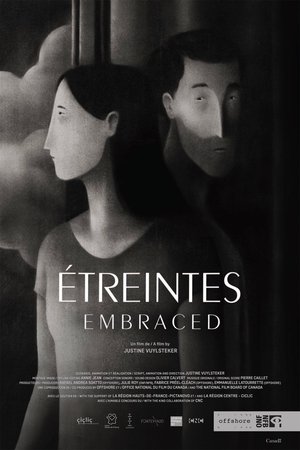


Standing still in front of the open window, a woman stares at the dark clouds that obscure the sky. Immobile, she fights against the remembrances of the past. In the clouds, a passionate embrace appears.
'También la Iluvia' exploits Indigenous peoples' fight against the privatization of water in order to tell a story about Spanish characters.
While it is more than established that Halston’s life is far from a fairytale, the narrative suffers as a result of the decision to revolve more around sex and drugs than his artistry, it likely does a disservice to his cultural impact by pulling focus from his achievements.
With so many Disney remakes out and about in the world and loosed upon Hollywood cinema, there is one Disney film that truly needs to be seen and witnessed on the big screen: Princess and the Frog.
After years of mediocrity, Thunderbolts* is the welcome change MCU fans were waiting for.
Of the 28 total films I watched, just six of them were queer or featured queer characters in some way.
Him is visually stunning—all concrete cathedrals and bone-rattling impact shots that look like a nightmare highlight reel. Marlon Wayans is magnetic as this legendary quarterback who's basically selling salvation with a smile that never quite reaches his eyes. But the story keeps running in circles: more tests, more cryptic pep talks, more ritualistic drills. The sports-as-religion metaphor beats you over the head when subtlety would've been more effective. The middle drags, and that finale chooses spectacle over substance. It's undeniably stylish, but left me cold. Also worth noting: despite the Monkeypaw connection, this isn't actually a Jordan Peele film—he didn't write or direct.