
'Brother' Fearlessly Tackles All Aspects of the Immigrant Experience
'Brother' is a gripping family drama with dazzling performances all around.
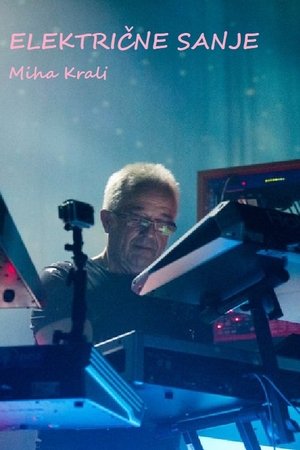


They found him at the "Gostilna pri Avseniku" tavern in Begunje. Safe behind his keyboards he played popular evergreen after another popular evergreen. Were history even the slightest bit fair, he wouldn't be doing that. Miha Kralj is considered the pioneer of electronic music in Slovenia and former Yugoslavia. His debut album Andromeda (1980) has achieved cult status and is still sought after by music enthusiasts all around the world. He also played in groups Prah and Dekameroni, for the latter he wrote his most famous song Sava Rustles. At last he got his own documentary.
'Brother' is a gripping family drama with dazzling performances all around.
The major flaw of the series is that it’s hosted on Netflix and barely makes malicious comments about it despite being focused on the lives of people directly affected by the Capitalist mentality of the OTT corporation.
Women have always been integral to science fiction, and these amazing women prove why.
This action thriller is made with the hope that the black youth of America will feel empowered, and realize the significance of their heritage.
The Olivia Wilde renaissance is upon us.
By undermining the appeal and credibility of black characters, the show compromises the very idea of diversity and representation it sets to promote.