
'Werewolf By Night' (2022)
This horror, action, and fantasy movie released on Disney+ has a symbolic aspect.
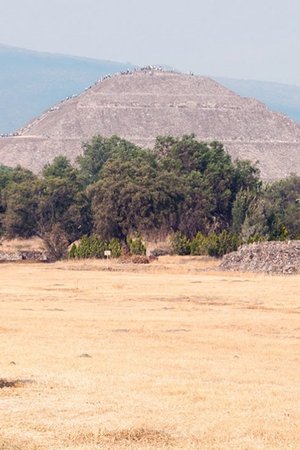


One hundred years since the Mexican Revolution and two hundred years since the independence. Thousands of victims from drug trafficking in a country amongst the most dangerous in the world. Indigenous peoples struggling for dignity, Marxists against imperialism, pharmacies selling cigarettes, 50% of the population dying of starvation, the Zapatista Movement shuts itself off from the outside world, the left is fragmented, the jeopardized right governs. The mixture of vitality and atrocities mark a volatile and yet brewing social situation. Crossing Mexico becomes a political reflection in a sense, both historical and anthropological. Without stopping, the words and images of this film are woven into concepts and feelings, creating a continuous flow, a domino effect in the chain of the contemporary human condition.
This horror, action, and fantasy movie released on Disney+ has a symbolic aspect.
The Resort has an excellent climax surrounded by disappointments. Somehow, at a mere 75 minutes, this movie still manages to be 70 minutes too long.
Disney has kept its word and allowed a new generation of Black and/or African storytellers to tell their own original stories. The question remains, will the public keep their word?
Not only can viewing Not My Dog inspire people to adopt a dog that may be facing tremendous odds, but even that simple action of watching has a social effect.
The Lego Movie achieves great humor and story with a combination of childish comedy, adult references, irony, and by subverting popular movie tropes.
Wild Child tells the story of a wealthy, spoiled teenage girl named Poppy Moore who lives in Malibu, California, who attends a boarding school in England. This film shows us how Poppy is first labeled as a fish out of water compared to her boarding school classmates, as she is a wild child, but eventually earns her roommates' friendships and respect.