Halt and Catch Fire's Trailblazing Queer Representation
It was always people for Joe, and he ultimately found them at the end of a long, painful, yet illuminating quest for self-discovery outside of one, confident constant - his bisexuality.
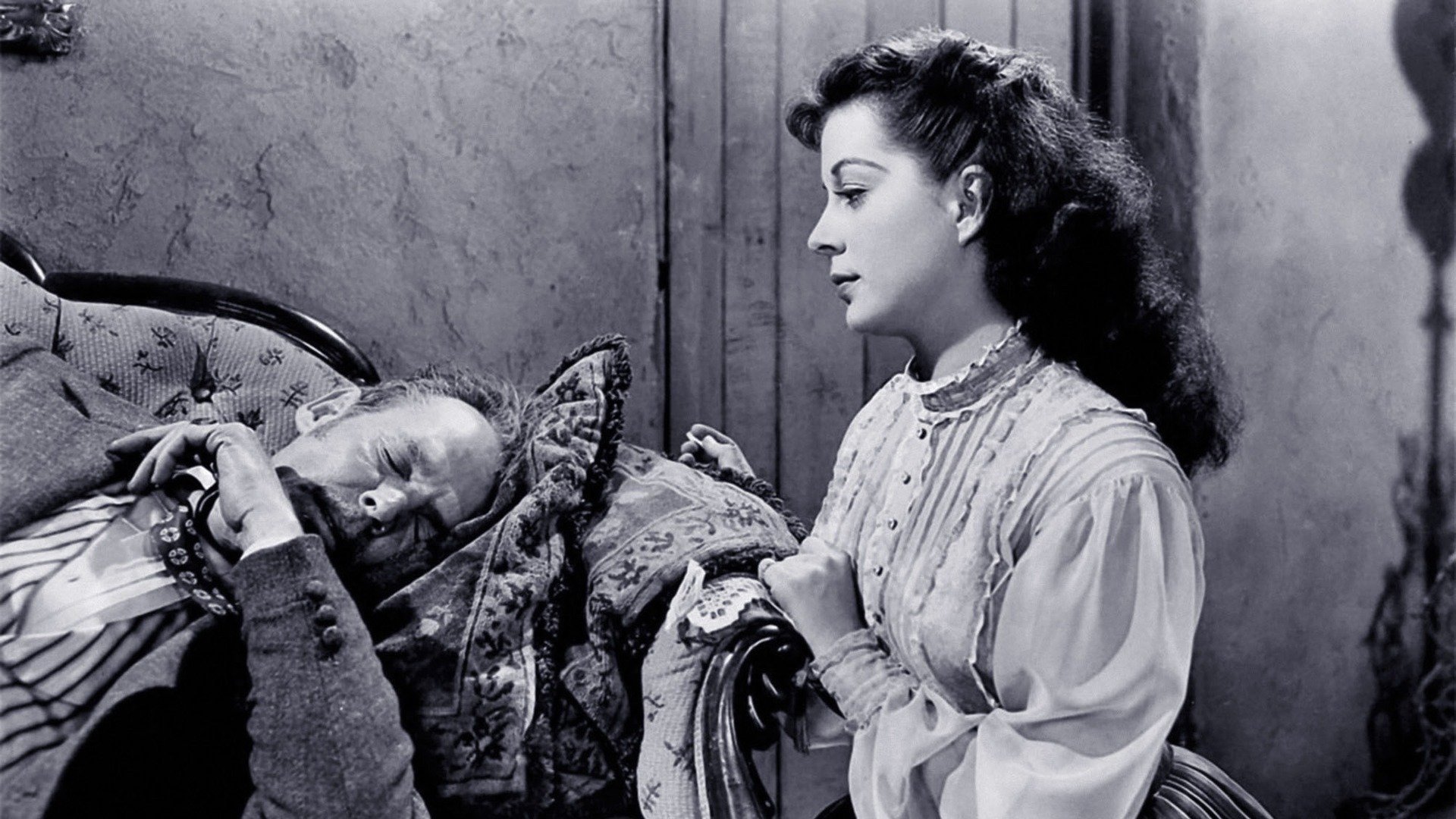
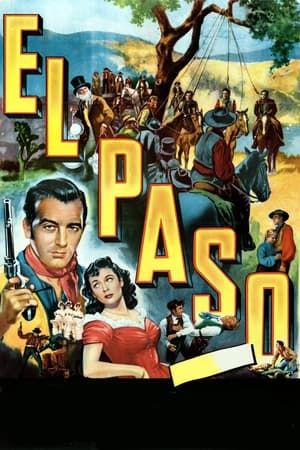


Ex-confederate officer Clay Fletcher jumps at the chance to reunite with his once lady-friend, Susan Jeffers, when his father, Judge Fletcher, sends him on an errand to El Paso, Texas to get the signature of Susan's father, Judge Jeffers, on a legal document. Once there he finds the judge has become a drunk and a laughing stock, doing the bidding of local magnate Bert Donner and his running dog, Sheriff La Farge. Just as Clay starts straightening out the town's problems, events occur which force him to abandon the legal system and instead adopt the murderous tactics of a vigilante.
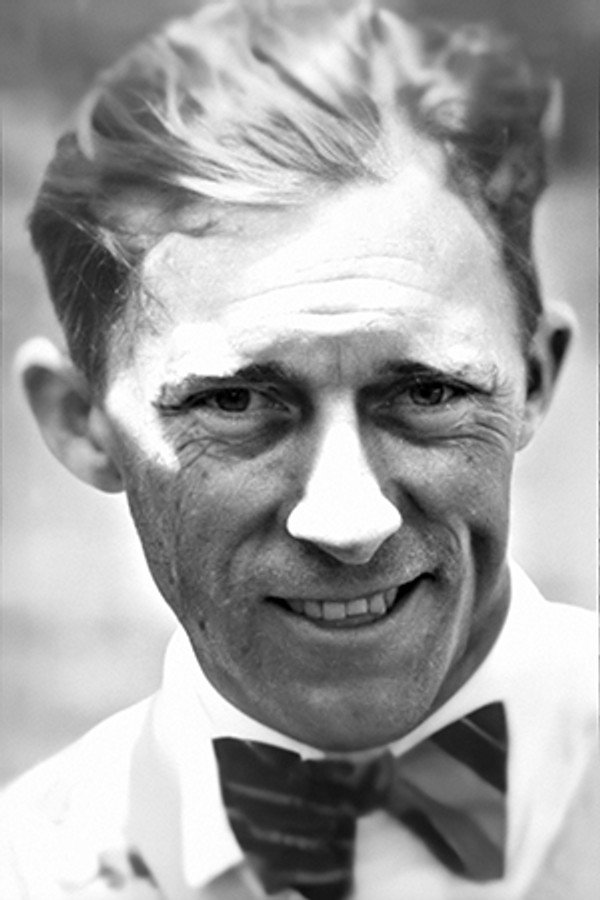
Lewis R. Foster
Director

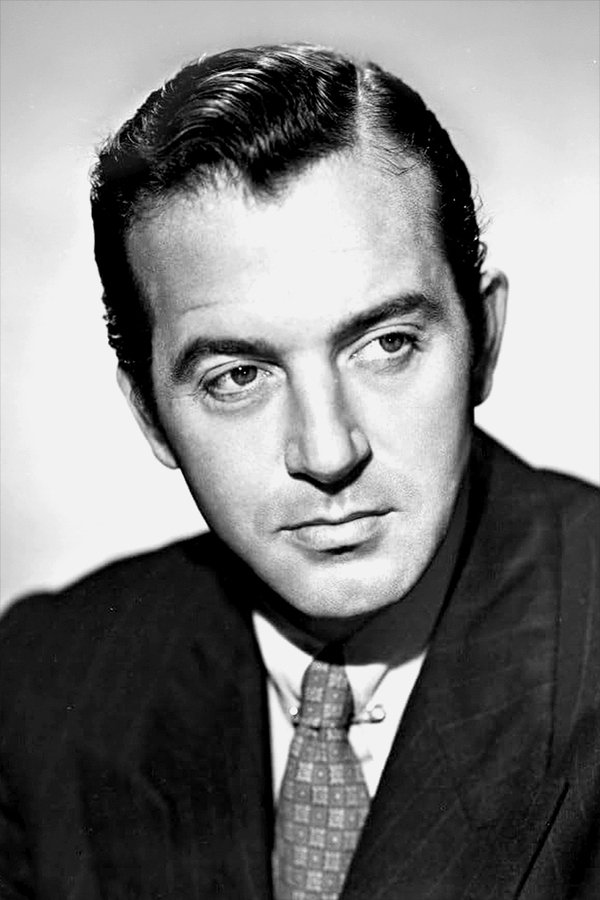
John Payne
Clay Fletcher

Gail Russell
Susan Jeffers
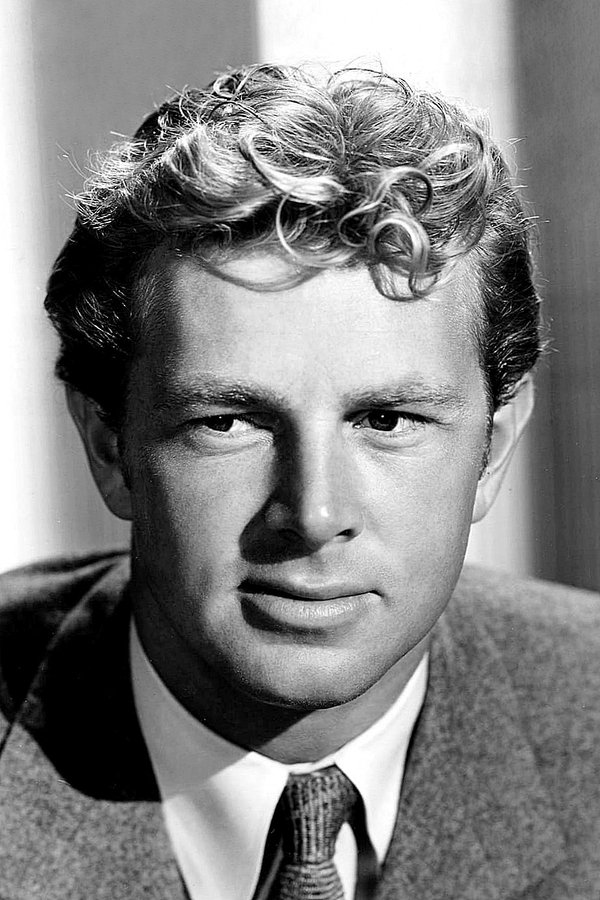
Sterling Hayden
Bert Donner
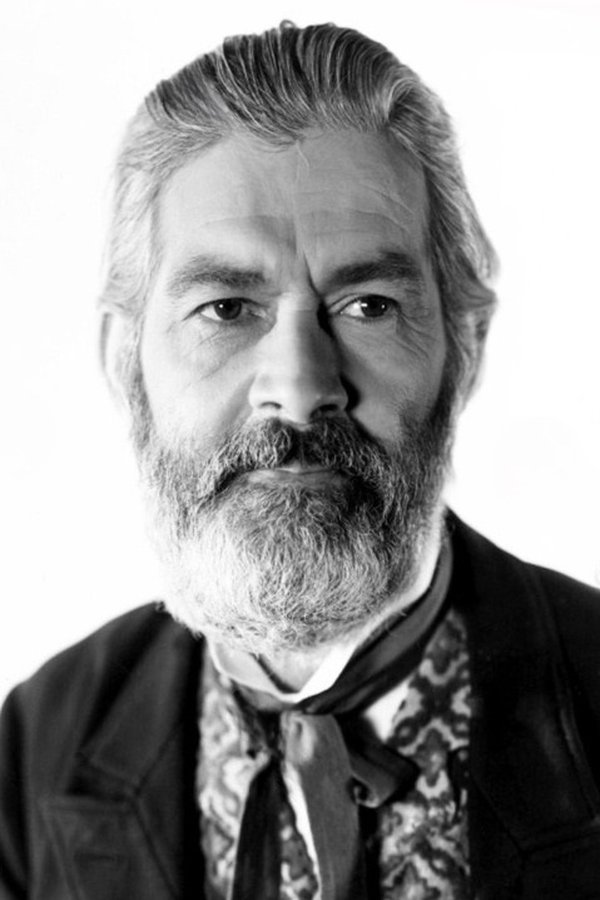
George 'Gabby' Hayes
Pesky Tees

Dick Foran
Sheriff La Farge
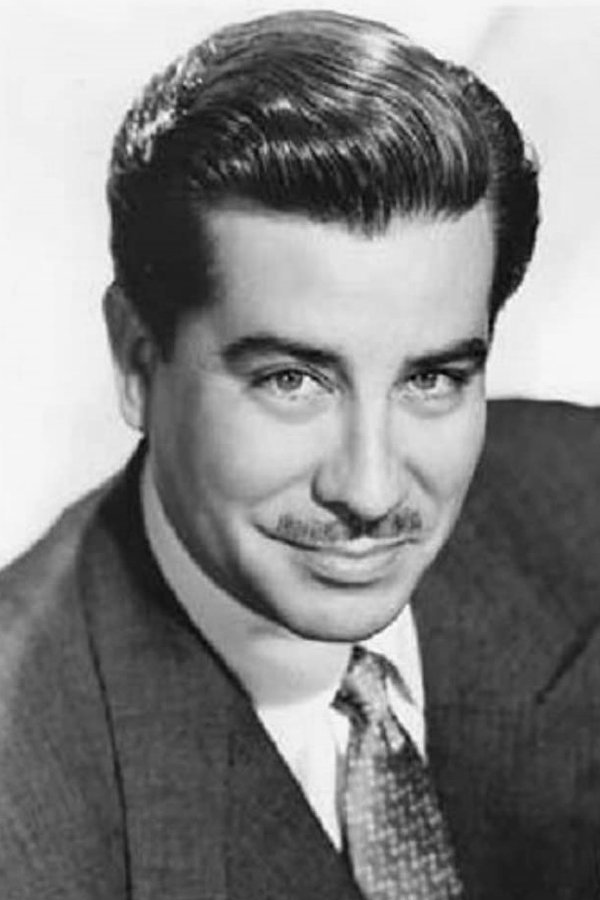
Eduardo Noriega
Don Nacho Vázquez
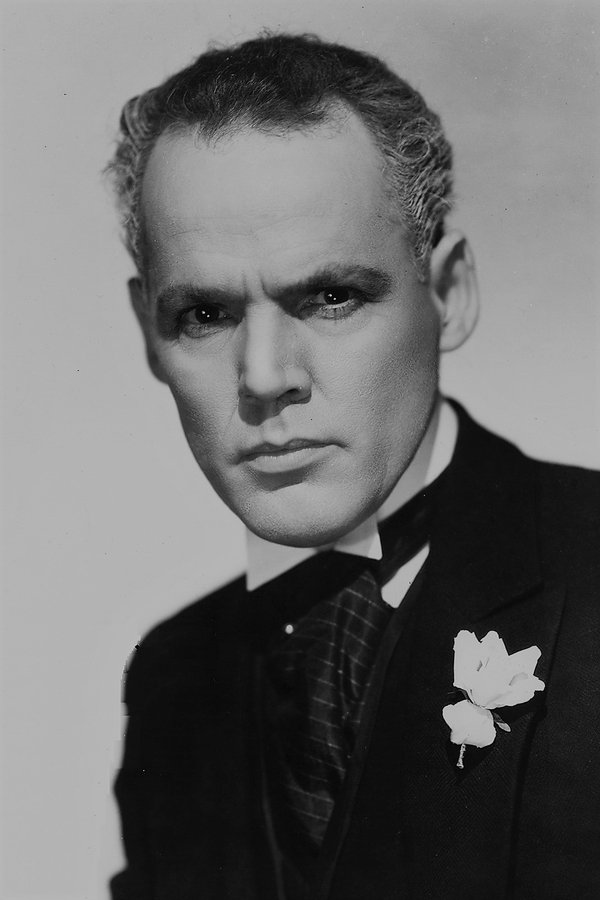
Henry Hull
Henry Jeffers

Mary Beth Hughes
Stagecoach Nellie
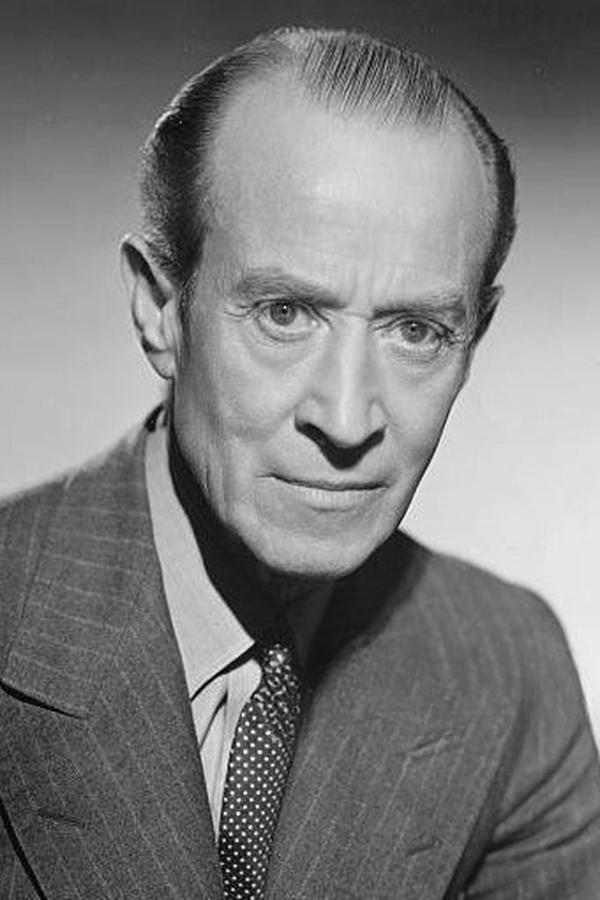
H.B. Warner
Judge Fletcher

Robert Ellis
Jack Elkins
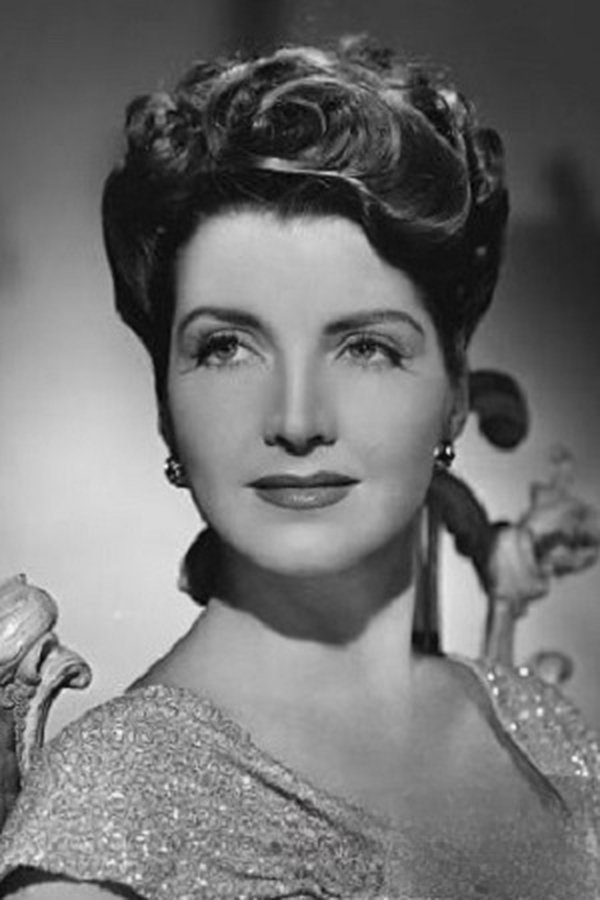
Catherine Craig
Mrs. Elkins
It was always people for Joe, and he ultimately found them at the end of a long, painful, yet illuminating quest for self-discovery outside of one, confident constant - his bisexuality.
We, the Jane Austen aficionados, are suckers for everything and anything under the sun that’s remotely related to her and her world. That’s because we are so drawn to her unique style of fiction, romance, and social commentary, we take any allusion to her influence as a hint to what to expect when we start watching a movie or reading a book.
It's not love. It's Obsession. The hook of this movie is the tension between wanting to be loved and the fear of being all-encompassed by that love. It plays on men’s typical (though certainly not universal) inner-conflict
Make no mistake about it, Gilligan has created a continuation that earns its place in the annals of Breaking Bad lore. El Camino isn't a forced entry in an otherwise brilliant world of fiction. This is a satisfying take, which manages to give closure to an iconic character of fiction.
The Vietnamese perspective is not only completely ignored in 'The Greatest Beer Run Ever', but it is blatantly whitewashed and disrespected.