




A Haunting Portrayal of Motherhood in "The Lost Daughter"
'The Lost Daughter' doesn't paint over the choices Leda and Nina make as mothers as right or wrong but examines the messy in-between.

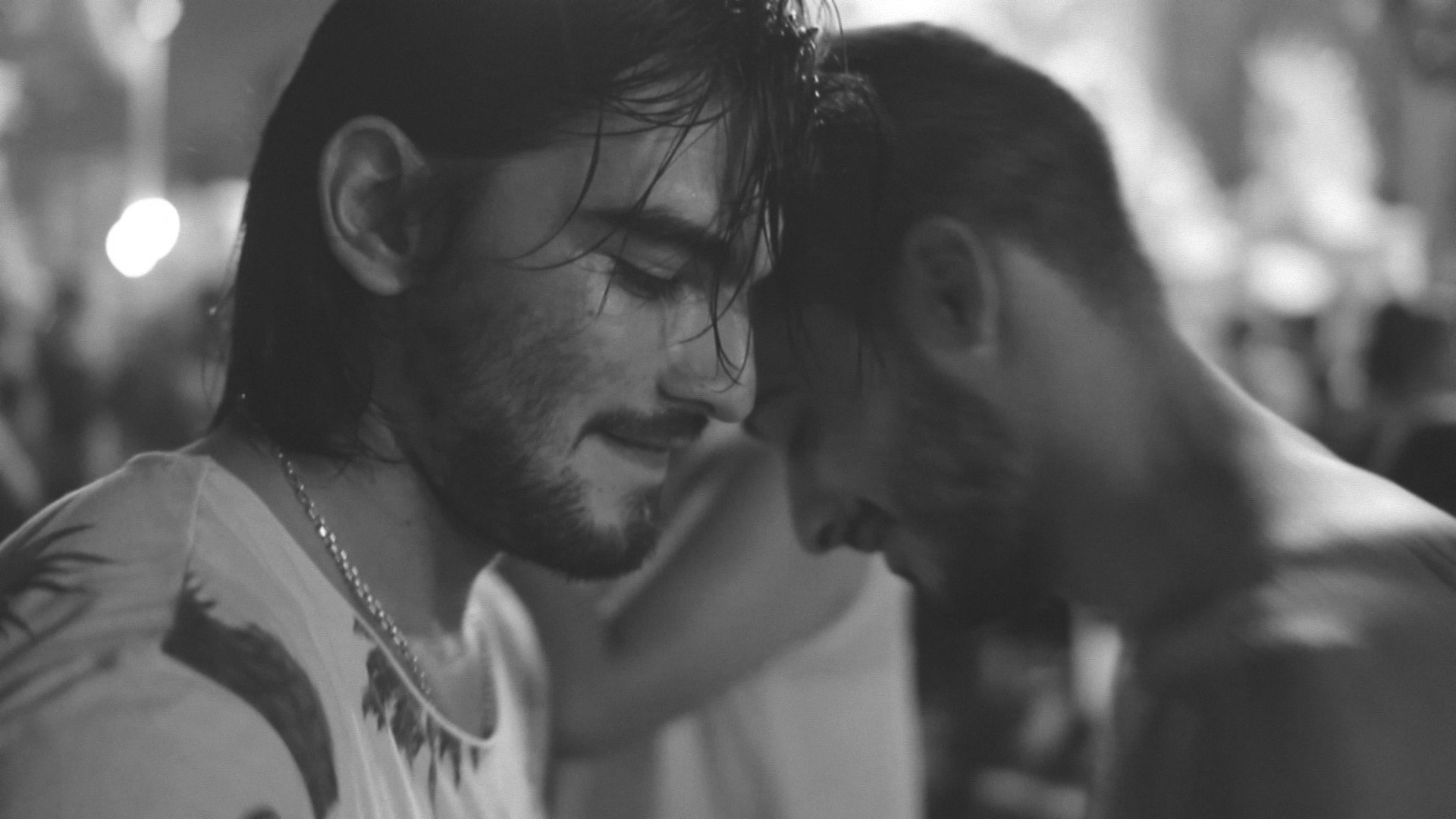
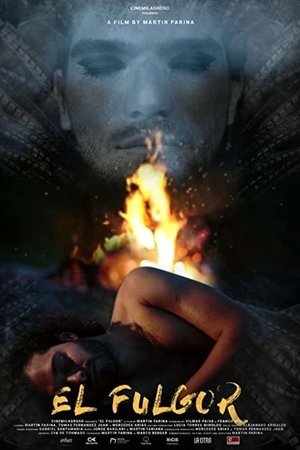
The carnival is coming soon. We witness the ritual of “cleaning the meat” performed by the “gauchos” who unfold their knives. The bucolic landscape mixes with the city streets. Slowly, everything fills with colour, feathers and semi-naked men. Face masks begin to cover the faces and alcohol disinhibit the bodies.
'The Lost Daughter' doesn't paint over the choices Leda and Nina make as mothers as right or wrong but examines the messy in-between.
There’s no two ways about it — Bridgerton is horny. Shondaland’s newest venture- released on Netflix on Christmas- is certainly a spectacle to behold, just as the premise; essentially an Austenian, Regency-Era Gossip Girl, helmed by Shonda Rhimes, the reigning queen of steamy romance television. It would not be inaccurate to describe it as Jane Austen porn.
A man found himself stuck inside the passage to the subway exit on the way to work.
A few episodes in, I realized the most prominent theme of In The Long Run wasn't culture, race or even finding independence--but the idea of belonging.
Desi’s “straight man” to Lucy’s playful exuberance subverted people’s expectations of what a Latino man could be and added respect and nuance to the way onscreen marriages between men and women were portrayed.
There's no hiding the horrors of war in this inspiring story of survival