


Incluvie Classics: Strong Women and Gender Expression in Alfred Hitchcock's “Psycho.”
Alfred Hitchcock’s 1960 film "Pyscho" is an American film classic that still resonates today.

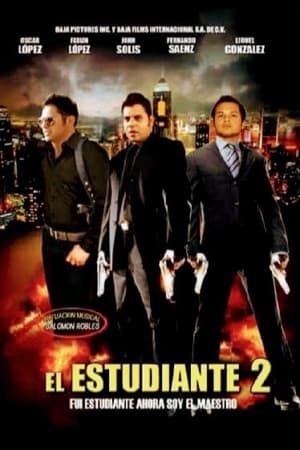
After the death of "El Diablo" at the hands of the Castros, Gerardo Casasola "El Estudiante" activates his group of assassins in order to confront the Castros.
Alfred Hitchcock’s 1960 film "Pyscho" is an American film classic that still resonates today.
Strangers in a crowd, exchanging glances, looking away, continually managing to run into each other then part ways, end up at the same diner, find they've rented the exact same vehicles, and are then made to travel together to learn once more whether they can both find genuine adoration and companionship again. This really does, in so many words, sum up the foundational gist of of this new feature film from writer Seth Reiss ("The Menu") and director Kogonada ("The Acolyte", "After Yang"). Yet, it's all only the set-up for the REAL wonder of everything that happens before, during, and in the aftermath of a magical, meaningful journey.
Twisting what seems to be obvious setups and frameworks is what sets the story structure of Squid Game apart. I appreciate that this narrative is complex but not complicated; an easy enough plot to wrap your head around while still treating the audience like an equal participant in this social commentary
The “gay best friend”, an age-old trope, has been done in countless films and television series. Ranging from one-note (Sex and the City's Stanford and Mario) to nuanced (Unbreakable Kimmy Schmidt's Tituss), the gay best friend exists to support and advise the main protagonist, with their conflicts swept to the side.
Growing up without a dad, I got a lot of my fatherly advice from the prototypes I saw on the silver screen. It’s these characters and films that gave me a glimpse into a dynamic I had never known but also made me realize that I was missing out. Here are my top 10 paternal films.