

Why the #OscarsSoWhite Boycott Should Not Be Forgotten Just Yet
Even after a history changing event, the 93rd Oscars proved it always had the space for more inclusivity in its award ceremony. But it this enough to change the boycott?



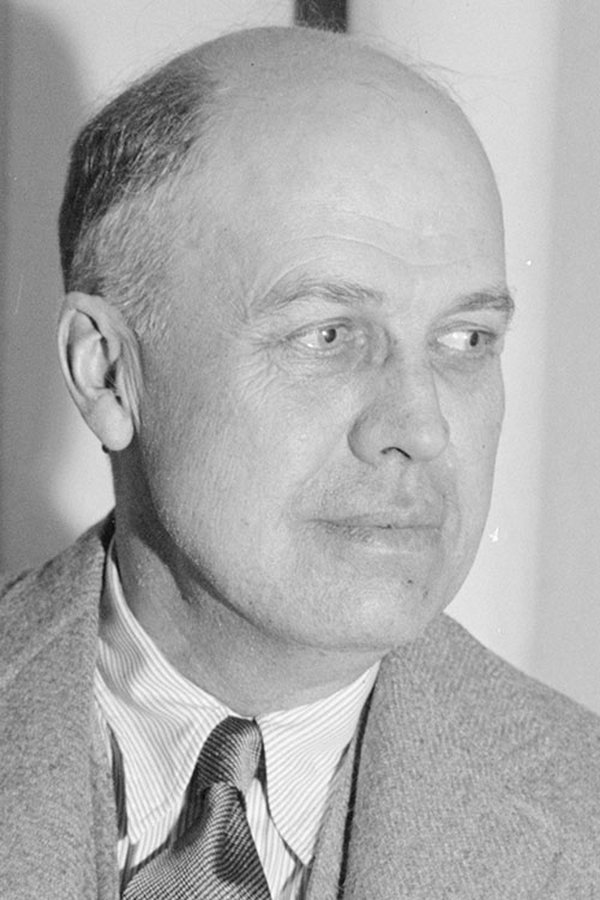
The many references in contemporary film to Edward Hopper's works, as well as the widespread reproduction of some of his paintings have made his universe familiar to many. His unclassifiable figurations weave a dialogue between appearances and light, between the unmistakeable and enigma. Focusing on the artist's personal life in the context of 20th century America, "Edward Hopper and the Blank Canvas" bears witness to a fiercely independent painter, who was aware of the issues of his era, and who was hostile to the imprisonment that a modern American art opposing realism and abstraction could lead him to. This film brings the artist to life, transposing his realist and metaphysical poetry. It is a subtile and passionate work, which at last unveils one of the most important painters of American modernity.
Even after a history changing event, the 93rd Oscars proved it always had the space for more inclusivity in its award ceremony. But it this enough to change the boycott?
An attempt to capture nostalgia that unfortunately just doesn’t work
By undermining the appeal and credibility of black characters, the show compromises the very idea of diversity and representation it sets to promote.
James Cameron’s The Terminator (1984) marks the beginning of a wonderful two-part arc, brimming with style and substance. The film follows Sarah Connor, a waitress living in Los Angeles. One night, a cybernetic organism (Arnold Schwarzenegger) is sent back in time to kill Sarah. A human resistance fighter (Michael Biehn) is also sent back in time, with the intent of saving Sarah from this deadly foe.
A Black woman centered in a box office rom-com with a happy ending and no struggle love.
Carolina Caroline follows Caroline (Samara Weaving), a bored young woman dreaming of escaping a small Texas town where nothing ever happens. When she meets Oliver (Kyle Gallner) at her workplace while he is conning the owner, she sees her perfect opportunity to get out. Their whirlwind romance strongly echoes Bonnie and Clyde, as the two quickly embark on a bank-robbing spree.